
Planting
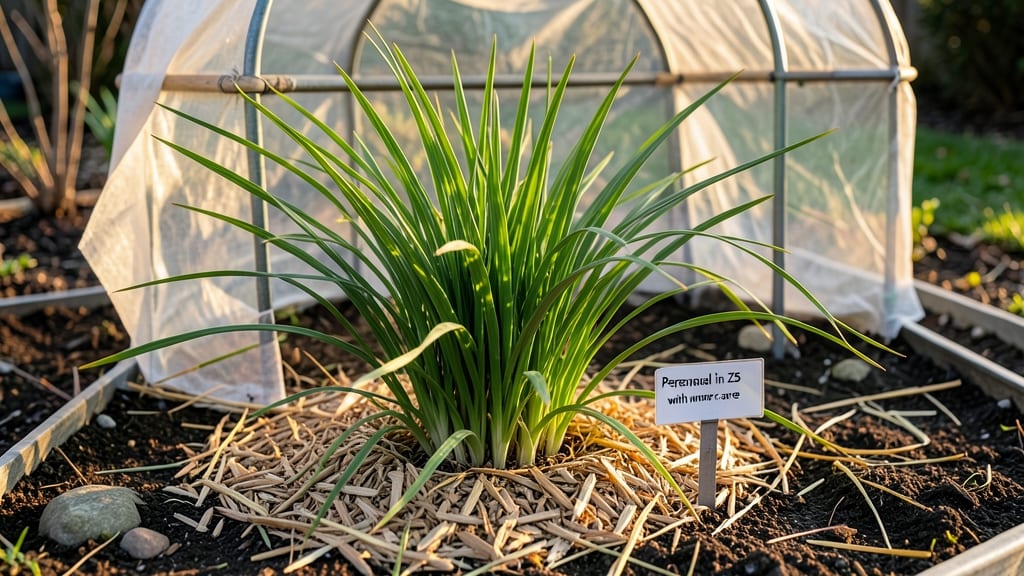
Lemongrass is not a true perennial in Zone 5, as it dies back to the ground when temperatures drop below 20°F (-6°C), though its roots may survive mild winters if properly insulated. With protection, it can regrow in spring, but hard freezes will kill it entirely.
Lemongrass originates from tropical climates, where it thrives year-round without cold stress. In Zone 5, sub-freezing temperatures damage its tender stalks and leaves, forcing it into dormancy. 🌱 While the roots can endure light freezes, prolonged exposure below 10°F (-12°C) will kill even the hardiest underground parts.
The key to keeping it alive through winter is mimicking its natural environment—whether through thick mulch, insulated containers, or bringing it indoors before the first frost.
What sets lemongrass apart from true perennials like mint or comfrey is its cold sensitivity. These plants have evolved to withstand Zone 5 winters, but lemongrass hasn’t. That’s why gardeners in colder regions treat it more like an annual or semi-perennial, replanting from cuttings each spring.
With the right care, though, you can coax it back to life year after year—just don’t expect it to behave like a native hardy plant.
💡 In This Article
- Why Lemongrass Struggles as a Zone 5 Perennial
- Zone 5 Lemongrass Overwintering Strategies
Why lemongrass struggles as a Zone 5 perennial
Lemongrass (Cymbopogon citratus) evolved in tropical Southeast Asia, where temperatures rarely dip below 60°F (15°C) year-round. Its cellular structure lacks the protective adaptations found in cold-hardy perennials.
For example, the plant's cambium layer—the growth tissue responsible for producing new stems and leaves—freezes solid at 20°F (-6°C), causing irreversible damage. Unlike hardy herbs like rosemary (Zone 7) or thyme (Zone 4), lemongrass has no natural antifreeze proteins to protect its vascular system during frost.
The plant's tender stalks contain up to 80% water, which expands when frozen, rupturing cell walls. You'll notice this damage as blackened, mushy stems and a foul odor—clear signs of internal cell death.
Even the roots, which can survive 10-15°F (-12 to -9°C) for short periods, will succumb to prolonged exposure below 10°F (-12°C). This explains why Zone 5 gardeners often see lemongrass die back completely after a 2-3 week cold snap, even with minimal snow cover.
What makes this particularly frustrating is how lemongrass's growth cycle contrasts with true perennials. While plants like mint regenerate from rhizomes (underground stems) each spring, lemongrass relies on its crown (the base where leaves meet roots).
When this crown freezes, the plant loses its ability to photosynthesize until new shoots emerge—if they emerge at all. In Zone 5, where winter temperatures can fluctuate 50°F (10°C) between day and night, this delicate balance makes survival nearly impossible without intervention.
Consider this comparison: In Miami (Zone 10), lemongrass grows 3-4 feet tall year-round, producing 20-30 new leaves per stalk monthly. But in Chicago (Zone 5), even a 10-day stretch below 25°F (-4°C) will kill unprotected plants.
The difference isn't just temperature—it's the duration of cold exposure that Zone 5's winters deliver. 🌡️ This explains why lemongrass behaves more like an annual in colder climates, despite its tropical origins.
The plant's aromatic oils—what give it that signature citrusy scent—are also cold-sensitive. These volatile compounds degrade when exposed to freezing temperatures, reducing both flavor and fragrance. That's why overwintered lemongrass often tastes milder when it regrows in spring, even if the plant itself survives.
This chemical breakdown happens because the essential oil glands in the leaves rupture during freeze-thaw cycles, releasing their contents into the environment.
For gardeners in Zone 5, understanding this botanical reality is crucial. Without protection, lemongrass simply can't survive the 120+ days of sub-freezing temperatures typical in this zone.
The plant's optimal growing range sits between 75-95°F (24-35°C), making it about as cold-hardy as a tomato plant—which also requires winter protection in Zone 5. The key difference? Tomatoes can be harvested before frost, while lemongrass must be protected year-round to persist.