
Flowers
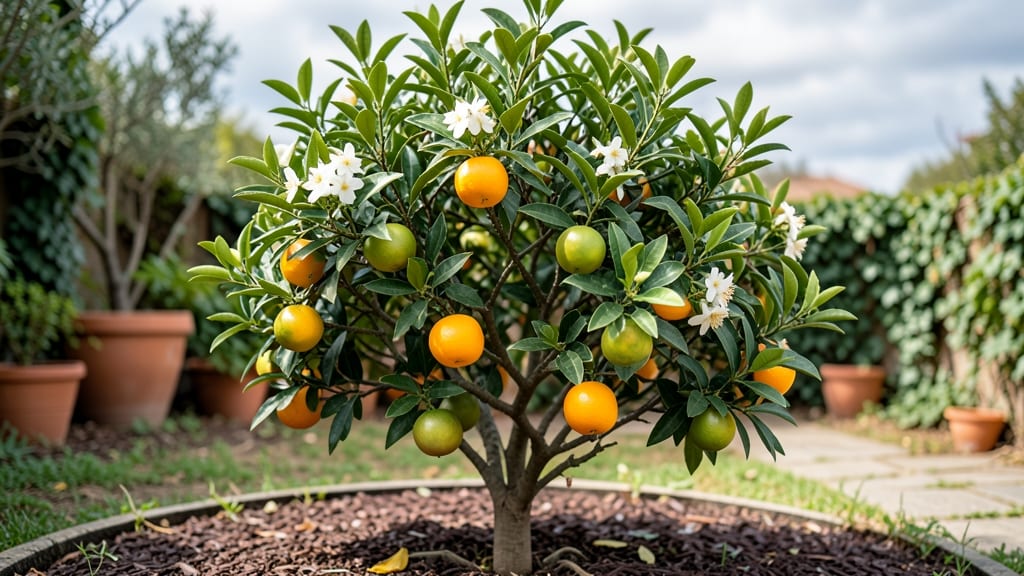
Orange Star is a perennial plant that dies back to the ground each winter but survives through its underground root system, returning with vibrant foliage each spring when conditions are right.
This dieback cycle is actually a survival strategy—when temperatures drop below 35°F, the plant conserves energy by shedding leaves while its roots stay dormant. 🌱 The key to its perennial nature lies in those roots: they store nutrients and regenerate new shoots when warmth returns.
Many gardeners mistakenly think dead stems mean the plant is gone, but with proper winter mulching and spring care, Orange Star proves itself as a hardy annual rebounder.
What sets Orange Star apart is its resilience—unlike annuals that complete their lifecycle in one season, this plant's root system acts like a built-in backup. I've seen it bounce back even after heavy frosts, as long as the soil doesn't freeze solid.
The secret? A thick layer of mulch (at least 2-3 inches) acts like a blanket, protecting those vital roots while still allowing moisture to penetrate.
💡 In This Article
- Understanding Orange Star’s Perennial Dieback Cycle
- Year-Round Care Tips for Thriving Orange Star Perennials
Understanding Orange Star’s perennial dieback cycle
Orange Star's survival strategy relies on a clever biological adaptation called seasonal dormancy. As temperatures drop below 35°F, the plant's above-ground foliage yellows and wilts—a visual cue that photosynthesis has stopped. This isn't death, though; it's a calculated energy conservation.
The plant redirects nutrients from leaves to its rhizomatous root system, which acts like a biological battery storing starches and sugars for spring revival. 🌱
The underground rhizomes contain specialized cells called meristems that remain metabolically active even in freezing conditions. These meristems can detect subtle temperature shifts—when soil warms to 45-50°F in spring, they trigger new shoot growth within 2-4 weeks.
This process is similar to how asparagus crowns regenerate annually, but Orange Star's rhizomes are more extensive, spreading horizontally to create a dense network that ensures multiple regrowth points.
Moisture plays a critical role in this cycle. During dormancy, the plant needs moderate soil moisture (not soggy) to prevent root desiccation. Too little water stresses the rhizomes, while too much can cause rot.
The ideal moisture balance keeps the roots hydrated but not waterlogged—a delicate equilibrium that explains why Orange Star thrives in well-draining soils with 50-70% organic matter content. This moisture regulation is why gardeners often see Orange Star revive more vigorously in spring after a properly mulched winter.
What's fascinating is how this cycle differs from true annuals. While annuals complete their entire lifecycle in one season, Orange Star's rhizomes contain perennating buds that remain viable for years. These buds can even survive light frosts (-5°F with protection) because the rhizomes insulate them.
The plant's ability to "reset" each winter makes it more resilient than many perennials that struggle with consistent regrowth.
Light exposure also influences this cycle. During winter dormancy, Orange Star's rhizomes don't need sunlight—they're underground and photosynthetically inactive. However, the plant's timing is exquisitely calibrated: it typically begins regrowth when daylight hours reach 12-14 hours, signaling spring's arrival.
This photoperiod sensitivity ensures the plant doesn't waste energy sprouting too early in unpredictable climates.
One common misconception is that Orange Star's dieback means the plant is dead. In reality, it's following its natural growth pattern. The rhizomes can remain dormant for 3-6 months before resuming active growth, which explains why some gardeners assume they've lost the plant until new shoots appear.
This delayed regrowth is actually a survival mechanism that prevents premature energy expenditure in unstable winter conditions.