
Flowers
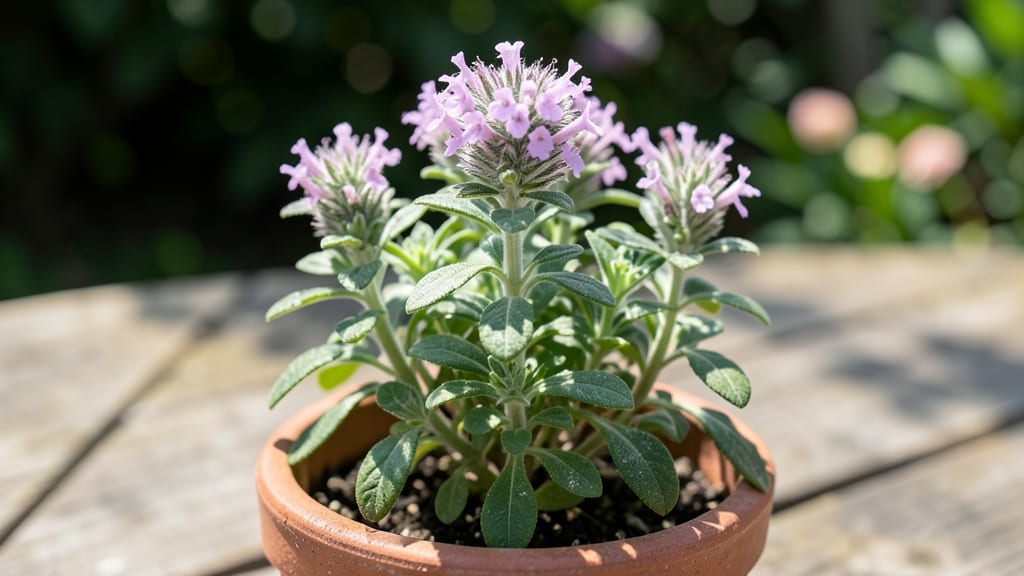
Yes, oregano is a perennial herb that regrows yearly from its deep root system in temperate zones, though harsh winters may require protection to prevent dieback.
This hardy herb's secret lies in its woody root base, which stores energy for regrowth each spring.
Unlike annual herbs that complete their life cycle in one season, oregano's roots remain dormant in winter but revive when temperatures rise—though some varieties may need winter mulch in colder climates. 🌱 The key difference?
While annuals like basil bolt and die, oregano plants often return stronger each year if given proper care during dormancy.
Most gardeners discover oregano's resilience when they notice new growth emerging from the same spot year after year. The plant's ability to persist through multiple growing seasons makes it a favorite for Mediterranean-style gardens.
With proper winter protection in zones below 7, you can enjoy fresh oregano harvests for 3-5 years or longer from a single planting.
💡 In This Article
- Oregano’s Perennial Growth Cycle Explained
- Cold-Hardiness Zones and Winter Care for Oregano
Oregano’s perennial growth cycle explained
The perennial nature of oregano stems from its deep, woody root system, which can extend 12-18 inches below soil level. Unlike annual herbs like cilantro or basil that complete their life cycle in 60-90 days, oregano roots store carbohydrates during the growing season, fueling regrowth each spring.
This energy reserve allows the plant to push out new shoots even after winter dormancy, often within 3-4 weeks of consistent temperatures above 50°F.
Oregano's growth follows a distinct pattern: vigorous leaf production in spring and summer, followed by a gradual slowdown as temperatures drop. The plant enters dormancy when nighttime temperatures consistently fall below 40°F, but its roots remain alive underground.
What makes this fascinating is how the plant prioritizes energy—it maintains its root structure while shedding leaves to conserve moisture, a survival strategy shared with other hardy perennials like thyme. 🌿 This dormancy phase can last 4-6 months in colder climates, with some varieties even surviving light frosts.
The real magic happens in early spring when temperatures rise. Oregano plants typically regrow from the base rather than from seed, producing dense clusters of new leaves that often smell even more aromatic than mature plants.
This regrowth pattern continues for 3-5 years with proper care, though the plant's vigor may decline after 5-7 years as the root system ages. Unlike annuals that need replanting yearly, this perennial behavior makes oregano a low-maintenance garden staple.
One key difference from annual herbs is oregano's ability to self-seed in ideal conditions. While not as aggressive as mint, it can produce small quantities of seeds that may sprout in subsequent years.
This natural propagation explains why you might find oregano plants popping up in unexpected garden corners—it's not just returning from the same root system but also spreading through seed. The plant's resilience extends to its ability to recover from pruning, making it perfect for continuous harvests throughout the growing season.
For gardeners comparing oregano to annual herbs, the most noticeable difference is its woody stems that develop over time. While young oregano plants have soft, herbaceous stems, mature perennials develop semi-woody bases that provide additional protection against frost.
This structural adaptation helps explain why oregano can survive winters in zones 5-10 with minimal protection, unlike its annual counterparts that would perish entirely during cold months.
What most gardeners don't realize is how oregano's growth cycle affects its flavor. Young leaves tend to be milder, while mature plants develop the bold, peppery notes we associate with dried oregano.
This flavor progression happens because the plant accumulates more essential oils as it ages—something annual herbs simply don't have time to develop. 💛 The perennial nature of oregano means you get both the convenience of long-term growth and the deepening complexity of flavor with each passing year.