
Shrubs
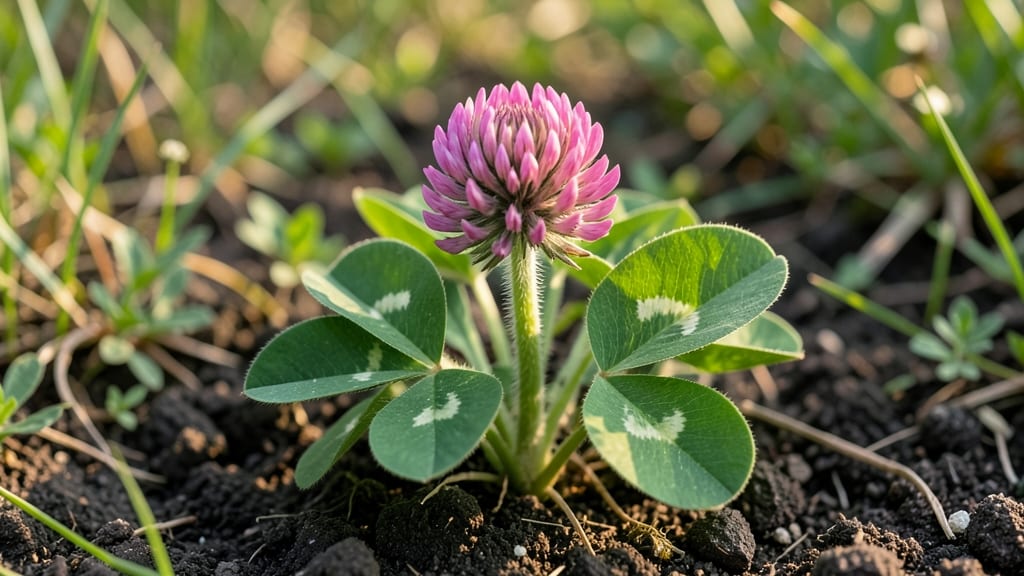
Red clover is a perennial plant that dies back each winter but regrows from its deep root system every spring, typically living for 2-5 years before naturally declining. This hardy ground cover thrives in gardens and meadows.
Red clover's perennial nature comes from its deep taproot system, which stores energy underground during winter dormancy. 🌱 Unlike annuals that complete their life cycle in one season, red clover's roots remain alive, allowing it to rebound each spring.
The key to maximizing its lifespan is proper soil health—well-draining, slightly acidic soil with moderate moisture helps sustain its growth for years.
What sets red clover apart is its ability to self-seed, creating dense patches that suppress weeds naturally. In cooler climates, it may produce more vibrant blooms, while hotter regions can reduce its vigor.
Many gardeners use it as a nitrogen-fixing cover crop, but its 3-5 year lifespan makes it ideal for rotational planting strategies too.
💡 In This Article
- Red Clover’s Annual Dieback and Root System Longevity
- Maximizing Red Clover’s Perennial Performance in Gardens
Red clover’s annual dieback and root system longevity
Red clover's perennial nature hinges on its deep taproot system, which can extend 2-3 feet into the soil. This root structure acts like a biological battery, storing carbohydrates and nutrients during its dormancy phase each winter.
When temperatures drop below 40°F, the above-ground foliage yellows and wilts—what appears as death is actually a survival strategy. The plant enters a state of cold hardiness, where metabolic processes slow dramatically, conserving energy until spring warmth triggers regrowth.
The real magic happens underground. Unlike annuals like marigolds or biennials like carrots, red clover's roots remain alive through winter, thanks to specialized cells that produce antifreeze proteins.
These proteins prevent ice crystals from forming in root tissues, which could rupture cell walls. 🌿 When spring arrives, stored nutrients fuel rapid regrowth from the crown, often within 2-3 weeks of consistent temperatures above 50°F.
This root system also enables red clover to outcompete weeds by accessing deep soil moisture while shallow-rooted plants struggle.
What makes red clover's lifespan unique is its 3-5 year biological clock. Each year, the plant allocates energy between flowering (which requires significant resources) and root maintenance. After 3-4 years, the root system gradually weakens as energy reserves deplete, leading to reduced vigor.
This decline is natural—similar to how fruit trees produce fewer apples as they age—but can be delayed with proper care. The key difference from true annuals is that red clover's seeds can germinate and establish new plants, creating dense stands that persist for years.
Climate plays a surprising role in this cycle. In USDA zones 4-8, red clover typically thrives for its full lifespan, while colder zones (below 4) may see shorter lifespans due to harsher winters.
Conversely, hotter climates (above zone 9) can reduce its flowering period, as the plant diverts energy toward shade tolerance rather than reproduction. The plant's ability to self-seed means even if the original patch declines, new plants will emerge from dropped seeds, maintaining the perennial effect in the garden ecosystem.
Here's how red clover compares to other plant types:
- Annuals: Complete lifecycle in 1 season (e.g., basil, sunflowers)
- Biennials: Grow foliage 1st year, flower 2nd year (e.g., parsley, carrots)
- Perennials (true): Live 3+ years with continuous growth (e.g., lavender, hostas)
- Red Clover: Perennial with 3-5 year lifespan but dies back annually
The visual transformation from winter dormancy to spring regrowth is dramatic—what was a brown, seemingly dead patch becomes a lush green carpet within weeks.
This cycle makes red clover particularly valuable for pollinator gardens, as it provides early spring blooms followed by summer flowers, supporting bees and butterflies throughout the growing season. 🐝