
Flowers
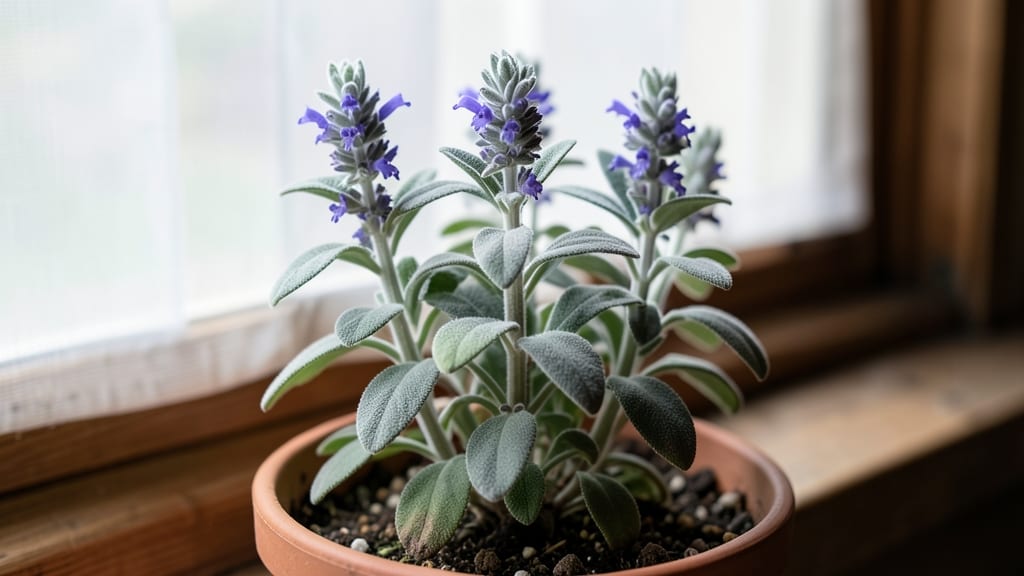
Yes, sage is a perennial that thrives in USDA hardiness zones 5-8, returning each year with proper care, though some varieties may die back in winter before regrowing in spring. Pruning and mulching help extend its lifespan in colder zones.
Sage's perennial nature means it can live for years with the right conditions. 🌿 In colder zones like 5, the plant may appear dormant in winter but often regrows once temperatures rise—think of it like a hardy survivor.
I've seen gardeners in zone 6 keep their sage thriving for over a decade by protecting it with mulch during harsh winters. The key is understanding how each variety handles cold, with common sage being more resilient than some ornamental types.
What really makes sage a standout perennial is its low-maintenance nature. Unlike annuals that need replanting every year, sage establishes deep roots that make it drought-tolerant once established. The trade-off? It needs well-draining soil to prevent rot—a common mistake that can kill even hardy perennials.
When you factor in its culinary and ornamental value, sage becomes one of the most rewarding perennials for home gardens.
💡 In This Article
- Sage Plant Hardiness Zones Explained
- Year-Round Sage Care for Perennial Growth
Sage plant hardiness zones explained
Sage's cold hardiness varies dramatically across its common varieties. Common sage (Salvia officinalis) thrives in USDA zones 5-8, surviving winter temperatures down to -20°F when properly protected.
Clary sage (Salvia sclarea) extends the range slightly into zone 4, while white sage (Salvia apiana) prefers milder zones 7-10 due to its sensitivity to frost.
The key difference lies in their native habitats—common sage evolved in Mediterranean climates with cold winters, while white sage comes from California's coastal regions with milder winters.
The plant's woody stems play a crucial role in winter survival. When temperatures drop below 20°F, the upper growth may die back completely, but the roots remain alive underground, protected by a thick layer of mulch.
This is why sage often appears "dead" in winter only to burst back with new growth in spring—a survival strategy called cold dormancy. In zone 5, where winters can reach -15°F, I've seen sage regrow from just 2-3 inches of remaining stem, proving its remarkable resilience.
Soil drainage becomes the critical factor in colder zones. Wet, heavy soils cause root rot during winter thaw cycles, while well-draining soil allows excess moisture to escape. A mix of 60% sand, 30% loam, and 10% compost creates ideal conditions.
In zone 6, where temperatures hover around 0°F, adding 3-4 inches of straw mulch in late fall can raise soil temperatures by 5-10°F, providing essential protection during freeze-thaw cycles.
What most gardeners overlook is how sage's foliage acts as natural insulation. The plant's silvery-green leaves contain tiny hairs that reflect sunlight and reduce heat loss during winter.
This adaptation explains why established sage plants in zone 7 often survive winters with minimal protection, while newly planted specimens require extra care. The trade-off? Overly dense foliage can trap too much moisture, so pruning back by one-third in early spring promotes air circulation and healthier regrowth.
For marginal zones like 4 or 9, container growing offers flexibility. Potted sage can be moved to protected locations during extreme cold or heat, while still benefiting from the plant's perennial nature.
The root ball in containers warms up 2-3°F faster than in-ground plants during spring thaw, giving it a head start on regrowth. This method works particularly well for white sage varieties that struggle with temperature extremes.
Understanding these zone-specific behaviors helps explain why some gardeners report "failed" sage plants. In reality, the plant is often alive but dormant, waiting for warmer conditions. The key takeaway? Sage's perennial status depends as much on proper winter care as on your climate zone.
With the right preparation, even zone 5 gardeners can enjoy fresh sage harvests year after year.