
Flowers
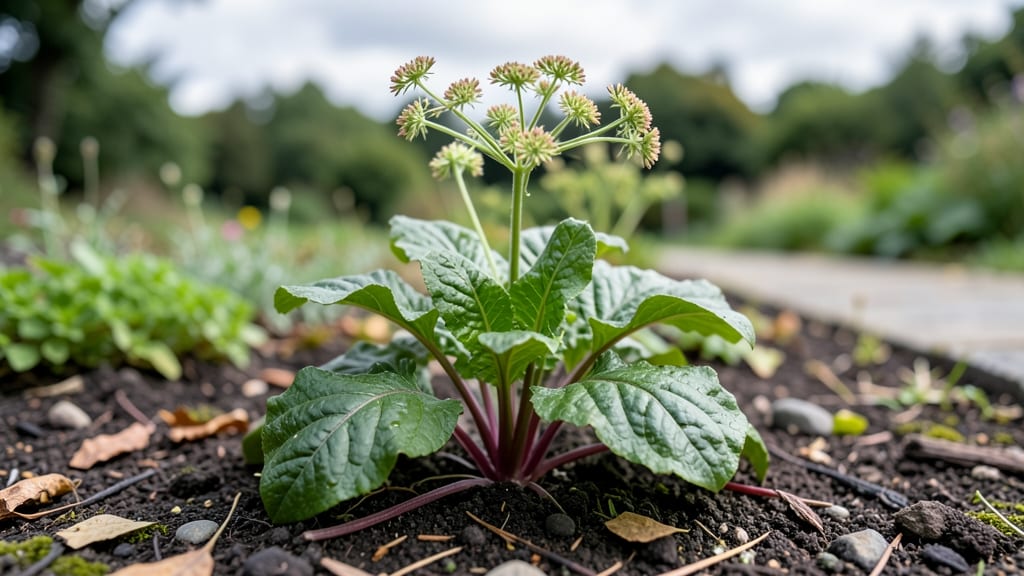
Yes, sorrel is a perennial in USDA hardiness zones 3-9, thriving as a cold-hardy plant that regrows each spring from its roots. However, in colder climates, it may die back to the ground before returning when temperatures rise.
Sorrel earns its perennial classification because it grows from deep, robust roots that persist through winter dormancy in most climates. 🌱 Unlike annuals that complete their life cycle in one season, sorrel's underground system lets it bounce back year after year—though its above-ground growth may freeze back in harsh winters.
The plant's hardiness makes it a favorite for gardeners in zones 3-9, where it reliably returns with proper care, often emerging earlier than many other spring greens.
What sets sorrel apart is its ability to tolerate light frosts, though prolonged sub-zero temperatures can still damage the foliage. In colder regions outside its native range, gardeners often use protective techniques like thick mulching or container growing to extend the plant's lifespan.
Understanding these growth patterns helps you plan harvesting times and overwintering strategies for a continuous supply of this tangy leafy green.
💡 In This Article
- Sorrel’s Perennial Growth Cycle Explained
- How to Overwinter Sorrel in Cold Climates
Sorrel’s perennial growth cycle explained
Sorrel's perennial status comes from its deep, fibrous root system that can extend 12-18 inches below the soil surface. These roots store carbohydrates during the growing season, fueling regrowth when temperatures rise in spring.
The plant enters dormancy when nighttime temperatures consistently drop below 32°F, but its roots remain alive beneath the frost line, protected by insulating soil. This biological adaptation explains why sorrel often emerges 2-4 weeks earlier than many other spring greens in zones 3-9.
The key difference between sorrel and annuals lies in its root structure. Unlike annuals that produce only top growth, sorrel develops a crown from which new shoots emerge each season.
Botanists classify it as a hardy perennial because its root system can survive multiple freeze-thaw cycles, though the foliage may turn brown and crispy during winter.
In contrast, biennials like parsley would die completely after their first year, while true annuals like basil complete their entire life cycle in a single growing season.
Sorrel's cold tolerance varies by species—French sorrel (Rumex scutatus) handles -20°F temperatures better than garden sorrel (Rumex acetosa), which may struggle below -10°F. The plant's ability to photosynthesize even at 35°F allows it to produce new growth surprisingly early in spring.
This makes sorrel one of the first edible greens available after winter, often appearing when snow still lingers in northern gardens.
What most gardeners overlook is how sorrel's growth pattern changes with age. Young plants focus energy on root development, while mature specimens (3+ years old) produce more foliage. This means a 3-year-old sorrel plant can yield 30-50% more harvestable leaves than a first-year specimen.
The tradeoff? Older plants become more vulnerable to root rot if soil drainage is poor, so well-draining soil is crucial for long-term perennial success.
Sorrel's perennial nature also affects its flavor profile. Younger leaves are milder and more tender, while older plants develop stronger oxalic acid content (the compound that gives sorrel its tangy kick).
This chemical adaptation helps the plant survive harsh conditions by making it less palatable to herbivores during dormancy. 🌱 For gardeners, this means harvesting young leaves for salads and reserving older growth for soups where the stronger flavor shines.
Understanding this growth cycle helps explain why sorrel often "disappears" over winter only to reappear stronger than before. The plant isn't dying—it's conserving energy in its roots while waiting for optimal growing conditions.
This biological strategy makes sorrel one of the most resilient leafy greens for home gardens across North America's diverse climates.