
Flowers
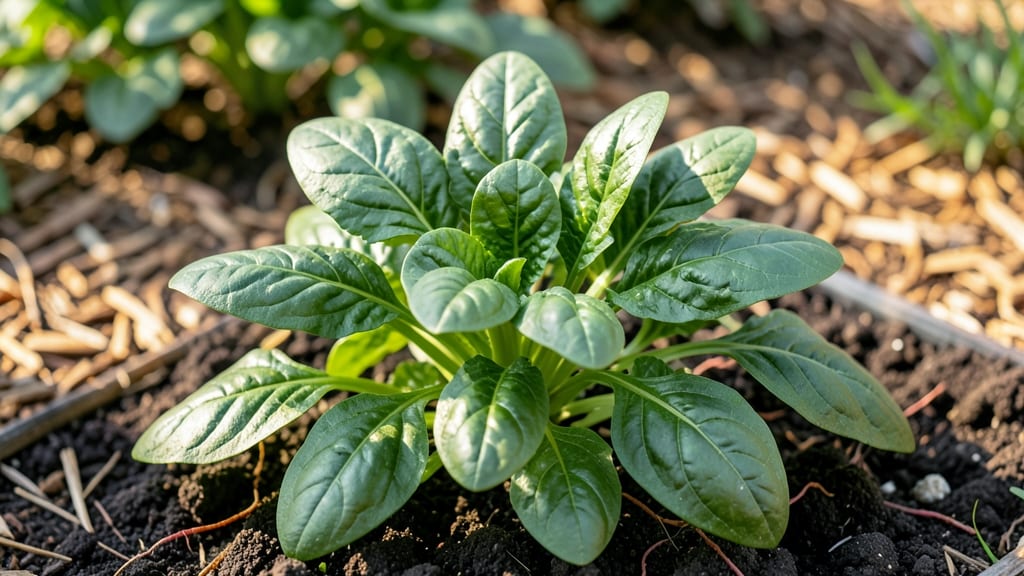
Spinach is not a perennial; it grows as a cool-season annual, completing its life cycle in one season before dying back. However, some varieties may self-seed or regrow under ideal conditions, creating a multi-year presence in gardens.
Spinach behaves like an annual because it bolts—sends up flower stalks—when temperatures rise above 75°F, signaling the end of its productive growth phase. 🌱 Unlike perennials such as asparagus, which regrow from underground rhizomes year after year, spinach's entire plant dies after producing seeds.
However, its ability to self-seed means you can often harvest fresh leaves for multiple seasons if you manage the garden environment carefully.
This distinction matters for gardeners planning long-term harvests. While spinach won't survive winter in most climates, strategic planting—like using cold frames or shade cloth—can trick the plant into thinking it's still cool season, extending its life cycle.
The key is understanding spinach's 6-8 week growth window and working with its natural tendencies rather than against them.
💡 In This Article
- Spinach’s Life Cycle: Why It Dies After Harvest
- How to Extend Spinach’s Growing Season Like a Perennial
Spinach’s life cycle: why it dies after harvest
Spinach's annual lifecycle is driven by its sensitivity to temperature shifts. When daytime temperatures climb above 75°F, the plant triggers a biological response called bolting—sending up a flower stalk to produce seeds.
This process is hardwired into spinach's genetics as a survival mechanism to ensure seed production before the plant dies back. 🌱 Unlike true perennials like asparagus, which store energy in underground rhizomes, spinach has no persistent growth structures to regenerate after harvest.
The entire lifecycle from seed to maturity takes just 6-8 weeks, with the plant reaching its most productive leaf stage in 3-4 weeks**. During this time, spinach prioritizes leaf growth over root development, making it vulnerable to heat stress.
True perennials, by contrast, invest energy in developing robust root systems that can survive winter dormancy and regrow when conditions improve.
What makes this fascinating is how spinach's growth stages mirror its evolutionary adaptations. In its native regions of central and southwestern Asia, spinach evolved to thrive in cool, moist climates where rapid growth and seed production before summer droughts was crucial.
This explains why gardeners in warmer climates struggle—spinach simply can't complete its lifecycle when temperatures remain consistently high.
Another key difference is the plant's response to photoperiod (day length). While some perennials like rhubarb can tolerate longer days, spinach's flowering response is primarily temperature-driven. When nights stay above 60°F consistently, the plant skips its vegetative growth phase entirely and bolts directly, cutting the harvest window dramatically.
Consider this comparison: Asparagus crowns can live for 15-20 years, while spinach plants typically live for just 60-90 days before dying. The energy spinach invests goes entirely into leaf production and seed development rather than long-term storage organs.
This fundamental difference explains why spinach can't persist year after-year like true perennials.
For gardeners, understanding this lifecycle is crucial. The plant's inability to overwinter means you'll need to replant every season, but with the right techniques—like using shade cloth to keep temperatures down—you can often coax 2-3 harvests per year from the same garden bed through successive planting.