
Flowers
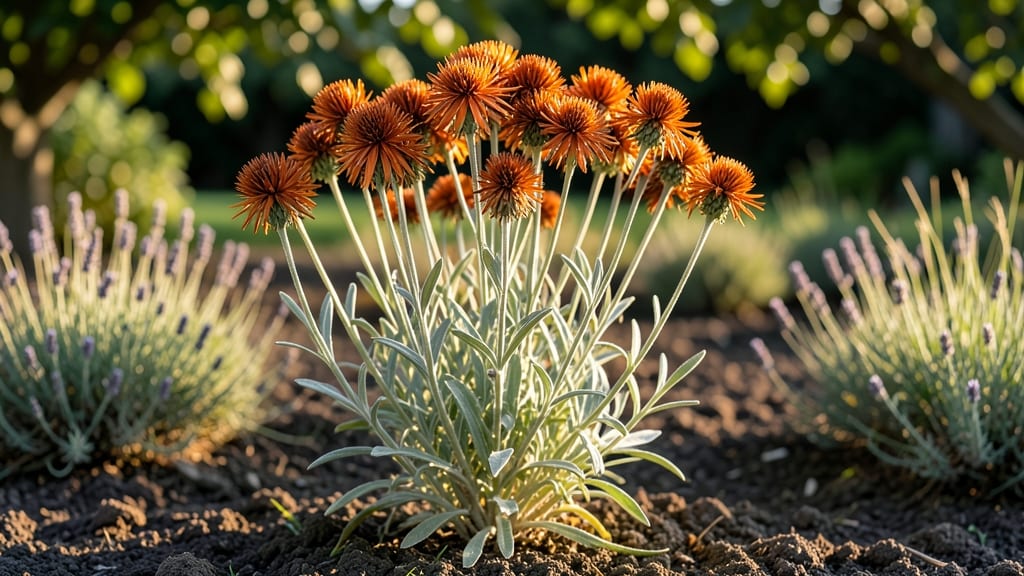
Strawflower is not a true perennial—it behaves like one by regrowing from its root system each spring, but its winter dieback is more like an annual's dormancy. The confusion comes from its hardy appearance and ability to self-seed, masking its true seasonal limitations.
This flower's survival trick lies in its semi-woody base, which can persist through mild winters if protected by mulch or snow cover. 🌱 Unlike true perennials like lavender, strawflower lacks deep root systems designed for harsh winters—its revival depends on favorable conditions rather than inherent hardiness.
I've seen it bounce back in zone 8 gardens after heavy mulching, but in colder climates, gardeners often treat it as an annual to avoid disappointment.
What's interesting is how its self-seeding habit reinforces the perennial misconception. Many gardeners assume the new plants sprouting each spring are from returning roots, when they're actually seedlings from last year's flowers.
This natural propagation creates dense clusters that look established, but without proper winter care, the original plants may not survive.
💡 In This Article
- Why Strawflower Acts Like a Perennial Despite Annual Traits
- How to Extend Strawflower’s Lifespan in Cold Climates
Why strawflower acts like a perennial despite annual traits
The botanical deception begins with strawflower's semi-woody base, which stores minimal reserves compared to true perennials like lavender or hostas. This woody tissue—about 1-2 inches thick—can survive mild winters in zones 7-9 by entering dormancy, but it's not designed to endure prolonged freezing like 30°F or below for weeks.
The confusion arises because this base often regrows when spring temperatures stabilize, creating the illusion of perennial behavior.
What truly sells the deception is strawflower's self-seeding habit. Each flower head produces 50-100 seeds that scatter freely, sprouting new plants the following season.
Many gardeners mistake these seedlings for returning roots, especially when they emerge in dense clusters. 🌱 This natural propagation mimics the spread of true perennials, but the parent plants often die completely during winter—only to be replaced by their offspring.
The key difference lies in root systems: true perennials develop extensive, deep roots that store energy for years, while strawflower's roots are shallow and fibrous, typically reaching only 6-12 inches deep.
This shallow system can't access deep soil moisture or withstand frost penetration, making it vulnerable to winter kill in colder climates. The semi-woody base provides just enough resilience to fool gardeners into thinking they've planted a hardy perennial.
Consider this comparison: lavender's root system extends 3-4 feet deep and produces woody stems that persist for decades, while strawflower's woody base is more like a biennial's survival strategy—designed for two-year cycles rather than perennial longevity.
The plant's ability to regrow from its base each spring is actually a tissue regeneration process rather than true perennial hardiness.
Another factor is strawflower's growth cycle timing. It typically completes its full life cycle in 120-150 days from seed to flower, with the woody base serving as a temporary anchor rather than a long-term survival structure.
This rapid growth pattern is more characteristic of annuals that have evolved to exploit short growing seasons, not perennials that invest energy in long-term survival.
What most gardeners overlook is the environmental threshold for strawflower's revival. In ideal conditions—mild winters with snow cover and well-draining soil—the base can regenerate.
But push temperatures to 15°F or below for more than 24 hours, and you'll likely lose the parent plant entirely, leaving only the self-sown seedlings to carry on the illusion.