
Planting
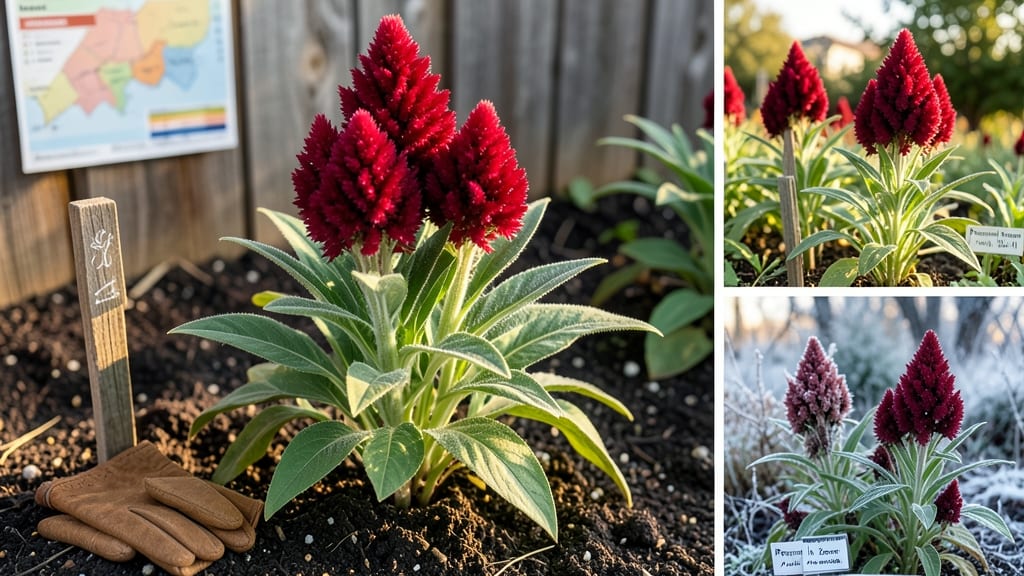
The celosia plant is a perennial, though it behaves as an annual in most climates, regrowing from roots only in frost-free zones (USDA 10-11) or surviving winters indoors in cooler regions. Its longevity depends entirely on temperature protection and post-frost care.
The celosia plant is a short-lived perennial whose classification comes down to its sensitivity to frost. 🌱 In warmer climates like USDA zones 10-11, it naturally regrows from its root system after winter dormancy, acting like a true perennial.
However, in colder regions, the roots typically die back with the first frost, forcing gardeners to treat it as an annual. The key difference lies in how well the plant's root system survives winter temperatures—something that varies dramatically between regions.
What makes this interesting is how celosia's growth habit changes with care. While it won't survive freezing temperatures outdoors in most areas, with proper overwintering techniques—like digging up roots and potting them indoors—you can coax it to regrow the following spring.
This dual nature is why some botanists classify celosia as a tender perennial, though its behavior more closely matches an annual for most gardeners.
💡 In This Article
- Celosia Plant Lifespan: Annual vs Perennial Behavior in Different Climates
- Overwintering Celosia Plants: Step-by-Step Survival Tips for Gardeners
Celosia plant lifespan: annual vs perennial behavior in different climates
The celosia plant's behavior as an annual or perennial comes down to its root system's frost tolerance. In colder climates (USDA zones 7-9), the first frost—typically around 28-32°F—causes the above-ground growth to die back completely, while the roots often succumb to freezing soil temperatures.
This natural die-off is why gardeners in these zones treat celosia as an annual, replanting fresh seeds each spring. The plant's tender roots lack the protective mechanisms of true perennials like hostas or daylilies, which can survive -10°F or colder.
In frost-free zones (USDA 10-11), celosia behaves like a true perennial because winter temperatures rarely drop below 30°F. The roots remain active year-round, and the plant naturally enters a dormant phase during cooler months before reblooming in spring.
This behavior is similar to tropical perennials like hibiscus, which also regrow from roots in warm climates but die back in colder regions. The key difference is celosia's shallow root system—typically only 6-12 inches deep—which makes it more vulnerable to temperature fluctuations than deeper-rooted perennials.
Botanically, celosia is classified as a tender perennial because it can regrow from roots under ideal conditions. However, its classification as an annual in most gardens stems from practical gardening realities.
The plant's fast growth cycle (60-90 days to maturity) makes it more economical to replant annually than to invest in overwintering. Even in mild climates, celosia often self-seeds prolifically, creating the illusion of perennial behavior without requiring human intervention.
This dual nature explains why some nurseries sell celosia as an annual while others market it as a perennial for warm climates.
What most gardeners don't realize is how light exposure affects celosia's overwintering potential. In cooler regions, celosia needs full sun (6+ hours daily) to build enough energy reserves in its roots for winter survival. Plants grown in partial shade often produce weaker root systems that struggle to regrow after frost.
This is why celosia thrives as a perennial in Southern California's coastal regions—where mild winters and abundant sunlight create perfect conditions for root survival. In contrast, Northern gardeners face a 50% success rate or lower when attempting overwintering without protective measures.
The plant's flowering response also reveals its perennial tendencies. Celosia produces new growth from the same root system each season in warm climates, just like a true perennial. The difference is that this regrowth requires consistent soil temperatures above 55°F—a threshold rarely met in colder zones during winter.
This temperature sensitivity explains why celosia's blooms appear earlier in spring in frost-free areas (often by March) compared to replanted annuals in cooler climates (which bloom in May or June).
Consider this comparison: In USDA zone 10 (like Miami), celosia may produce three flowering cycles per year with minimal care. In USDA zone 8 (like Dallas), the same plant would need winter protection to survive at all.
This dramatic difference highlights why climate plays such a crucial role in determining whether celosia behaves as an annual or perennial in your garden. 🌿