
Flowers
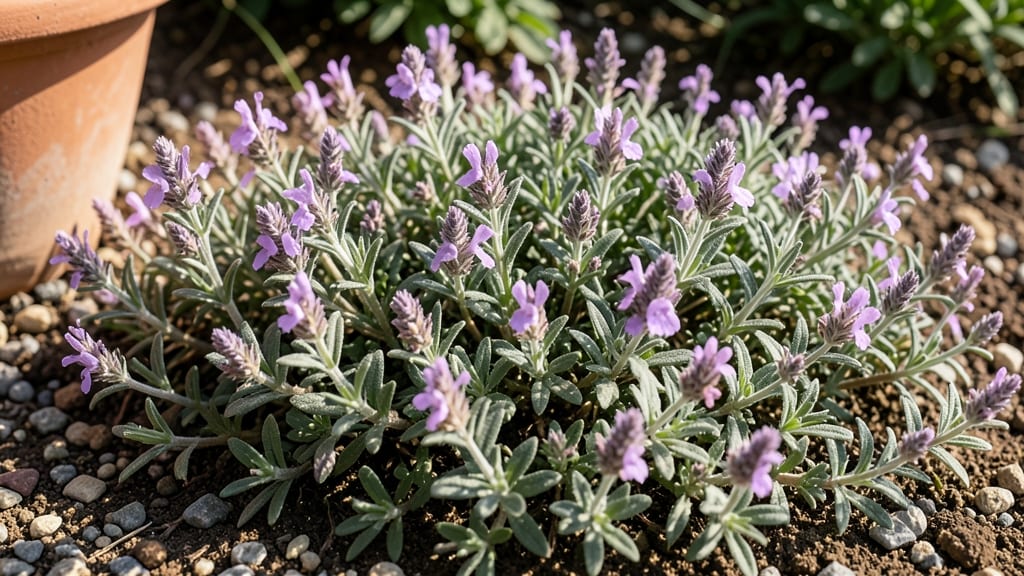
Tyme is a perennial plant that appears to die back completely each winter, but its robust root system remains alive underground. With proper care, it reliably returns each spring, showcasing its hardy nature and long lifespan.
Tyme belongs to the Lippia genus and thrives as a perennial in USDA zones 8-11, where it naturally endures seasonal dormancy. 🌱 The key to its survival lies in its deep taproot system, which stores nutrients and moisture to fuel regrowth when temperatures rise. Unlike annuals that complete their lifecycle in one season, tyme's roots remain active beneath the soil, even when the above-ground stems turn brown and crispy. This adaptation allows it to bounce back year after year with minimal intervention from gardeners.
What makes this particularly interesting is how tyme's dormancy differs from true winter-kill plants. While some perennials might suffer permanent damage from frost, tyme's roots develop cold hardiness over time. In colder regions, gardeners can extend its growing season by providing light winter mulch or container protection.
The plant's ability to regenerate from just a small root section makes it incredibly resilient—even if you accidentally cut back too aggressively in late fall.
💡 In This Article
- How Tyme’s Perennial Growth Cycle Works
- Caring for Tyme as a Perennial Plant
How tyme’s perennial growth cycle works
Tyme's perennial nature relies on its sophisticated underground survival mechanism. Unlike annuals that complete their lifecycle in one season, tyme develops a robust taproot system that can extend up to 2-3 feet deep.
This root structure acts like a natural storage unit, accumulating starches and nutrients during warm months to sustain the plant through dormancy. When temperatures drop below 50°F, the plant triggers a physiological response where it redirects energy from leaf production to root development, preparing for winter.
The above-ground stems and leaves undergo a process called senescence, where chlorophyll breaks down and the foliage turns brown and crispy. This isn't death—it's a protective adaptation that conserves energy.
The plant's cells produce antifreeze proteins similar to those found in cold-hardy trees, which prevent ice crystal formation in root tissues. In USDA zones 8-11, tyme naturally enters dormancy when day lengths shorten and temperatures consistently stay below 60°F for 2-3 weeks. 🌱
What's fascinating is how tyme's regrowth timing is regulated by both temperature and photoperiod (daylight hours). As soil temperatures rise above 55°F in spring, the roots begin metabolizing stored nutrients to produce new shoots.
The plant's growth hormones, particularly gibberellins, become active again, signaling the emergence of fresh foliage from the crown. This explains why tyme often reappears within 2-4 weeks after the last frost in optimal conditions.
Cold hardiness varies by cultivar, with some varieties tolerating brief exposures to 20°F temperatures while others struggle below 28°F. The key difference lies in the root's ability to supercool—maintaining liquid water state below freezing through specialized proteins.
In regions with harsh winters, gardeners can extend tyme's lifespan by providing 3-4 inches of organic mulch or growing it in containers that can be moved to protected locations.
Tyme's perennial cycle also demonstrates an interesting ecological strategy called iteroparity, where the plant invests energy in survival rather than reproduction each season. This allows it to live for 5-10 years or longer with proper care, continuously producing aromatic foliage that's prized in culinary and medicinal applications.
The plant's ability to regenerate from even small root fragments makes it particularly resilient against environmental stresses.
What most gardeners don't realize is that tyme's dormancy period actually rejuvenates the plant. The winter rest allows for root pruning of damaged tissues and redistribution of nutrients to healthier growth points. This natural renewal process explains why well-established tyme plants often outperform younger specimens in subsequent growing seasons. 💛