
Flowers
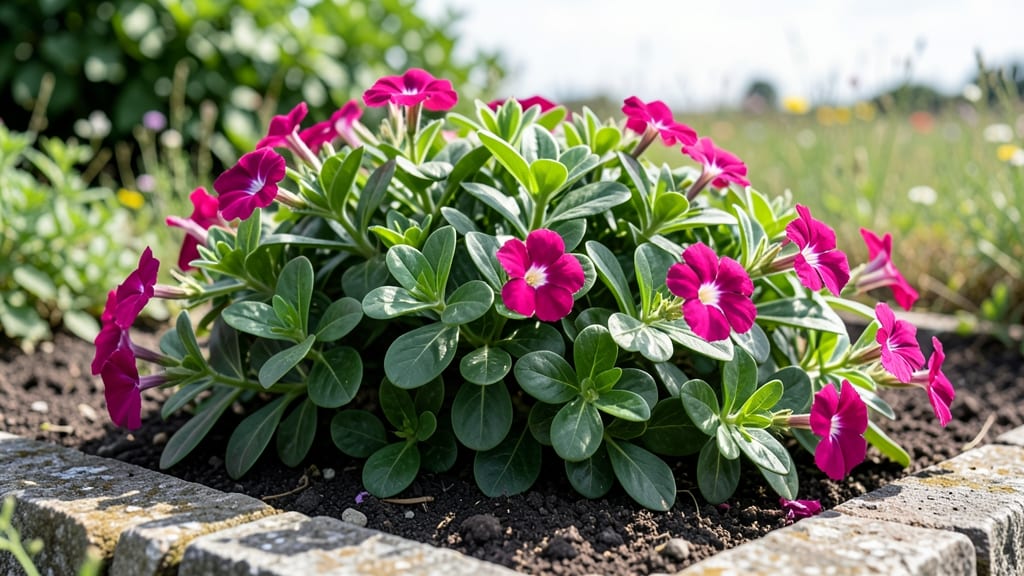
Vinca acts as a perennial plant in warm climates but functions like an annual in colder regions, where frost kills above-ground growth while roots often persist underground. Cold-hardy types such as Vinca minor can re-emerge in spring with proper winter protection.
This behavior comes down to vinca's root system, which stores energy underground during dormancy. 🌱 In zones 7-10, vinca thrives year-round as a true perennial, while in colder areas (zones 3-6), it relies on root survival for regrowth.
The key difference lies in how quickly roots can recover—some varieties like Vinca major may need more protection than their smaller cousins. I've seen vinca bounce back spectacularly after winter even in zone 5 when heavily mulched, proving that with the right care, it can defy seasonal expectations.
For gardeners in marginal climates, the secret often lies in soil preparation and winter prep. Adding 3-4 inches of mulch in late fall creates an insulating blanket that protects roots from freezing, while selecting cold-tolerant cultivars gives you the best chance of perennial performance.
Container-grown vinca offers extra flexibility—simply move pots to a sheltered spot before frost hits.
💡 In This Article
- How Vinca Perennials Survive Winter in Different Climates
- Tips for Growing Vinca as a Perennial in Cold Zones
How vinca perennials survive winter in different climates
The secret to vinca's winter survival lies in its deep, fibrous root system that can store carbohydrates and moisture for months. These roots contain specialized cells called parenchyma, which act like natural storage tanks, allowing the plant to enter dormancy when temperatures drop below 25°F.
In warmer climates (zones 7-10), vinca maintains its evergreen foliage year-round because the roots stay active, continuously supplying nutrients to the leaves.
Cold-hardy varieties like Vinca minor (common periwinkle) have adapted to survive brief freezes down to -10°F when properly mulched, while Vinca major typically tolerates 10-15°F but may need extra protection.
The key difference is their growth habit: Vinca minor grows low to the ground, forming dense mats that trap heat near the roots, while Vinca major's taller stems are more vulnerable to frost damage. 🌿 In colder zones, the above-ground growth dies back completely, but the roots remain viable until spring warmth triggers regrowth.
Dormancy in vinca is triggered by a combination of shortening daylight hours and dropping temperatures. When nights consistently stay below 50°F for several weeks, the plant's meristem cells (growth points) stop dividing and enter a resting state.
This process conserves energy until environmental cues (like longer daylight in spring) signal it's time to resume growth. The roots continue respiring slowly throughout winter, maintaining just enough metabolic activity to stay alive.
Evergreen vinca varieties maintain some foliage through winter because their leaves contain antifreeze proteins that prevent ice crystal formation in cells. These proteins, similar to those found in winter wheat, lower the freezing point of cellular fluids by 2-5°F.
However, in harsh winters, even evergreen vinca may lose some leaves—this isn't fatal, as new growth emerges quickly once temperatures rise above 40°F consistently.
What most gardeners don't realize is that vinca's cold tolerance varies dramatically based on soil moisture levels. Dry soils conduct heat away from roots more efficiently, increasing frost risk, while moist (but not soggy) soils provide better insulation.
This is why vinca often thrives better in containers—potted plants can be moved to protected locations before winter, giving roots the best chance to survive. The root zone temperature needs to stay above 20°F for continuous growth, which explains why vinca struggles in exposed garden beds during harsh winters.
In marginal climates (zones 5-6), vinca's perennial behavior becomes a gamble—roots may survive but take weeks to regrow in spring. The timing of frost return is critical: if new shoots emerge before the last frost date, they'll be vulnerable to damage.
This is why gardeners in these zones often treat vinca as a short-lived perennial, accepting that some years it may not return with the same vigor. 💫