
Flowers
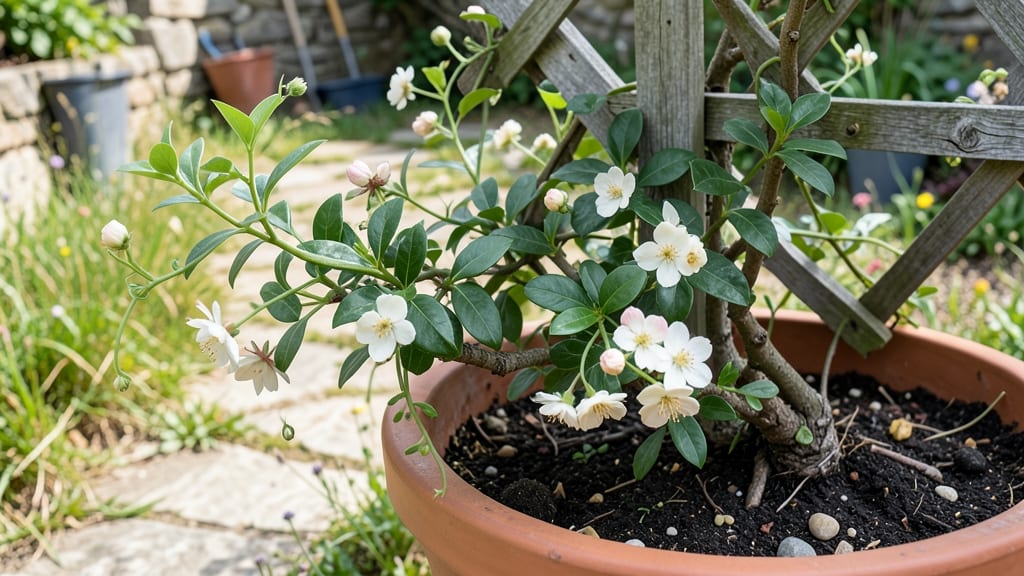
Whether jasmine is annual or perennial depends on your climate: most varieties thrive as perennials in warm zones but die back in cold winters, requiring replanting each year. True hardy types like Jasminum officinale survive winters from roots, while tender species like Jasminum sambac need protection or replanting.
Jasmine's lifespan hinges on temperature tolerance—think of it like a plant with a built-in thermostat. 🌱 In USDA zones 8-11, varieties like winter jasmine (Jasminum nudiflorum) naturally overwinter, sending fresh growth from roots each spring.
But in colder regions (zones 5-7), even hardy types may need mulch blankets or container protection to prevent freeze damage. The key difference? Perennial jasmines store energy in roots, while frost-killed plants must start from scratch annually.
I've seen gardeners in zone 6 successfully overwinter potted jasmines by moving them to unheated garages during winter.
What's fascinating is how pruning timing can trick plants into thinking they're in a warmer climate. Cutting back dormant stems in late winter (before new growth appears) encourages stronger regrowth.
For marginal climates, I recommend propagating cuttings indoors over winter—this way, you're not just gambling on survival but actively preserving your plant's genetics for next season.
💡 In This Article
- Jasmine Plant Lifespan: Perennial vs Annual Growth Patterns
- How to Extend Jasmine’s Lifespan in Different Climates
Jasmine plant lifespan: perennial vs annual growth patterns
The distinction between annual and perennial jasmine comes down to root resilience and temperature thresholds. True perennials like Jasminum officinale (common jasmine) develop extensive root systems that store carbohydrates during warm months, allowing them to push new shoots when temperatures rise above 40°F.
These roots can survive light frosts (-5°F for brief periods) by entering dormancy, but prolonged exposure below 20°F triggers cell damage. 🌿 In contrast, tender varieties like Jasminum sambac (Arabian jasmine) have shallow roots that freeze solid in 25°F conditions, resulting in complete dieback above ground.
What makes this fascinating is how growth patterns differ by species. Hardy winter jasmine (Jasminum nudiflorum) thrives in USDA zones 4-8 because its stems contain antifreeze proteins that prevent ice crystal formation in cells, while Jasminum polyanthum (pink jasmine) only survives zones 7-10 due to its tropical origins.
The root zone matters too - deep taproots (like in Jasminum grandiflorum) can reach moisture 3-4 feet below ground, while shallow-rooted types rely on consistent soil warmth above 55°F.
Here's where gardeners often get confused: even "annual" jasmine plants may regrow from roots if protected. I've observed Jasminum sambac plants in zone 7b that survived winters with 3 inches of mulch and a burlap wrap around the base, producing new growth by May.
The key difference is that true perennials regenerate from crown buds (the swollen base where stems meet roots), while frost-killed plants must rely on new seeds or cuttings.
Consider these biological triggers: jasmines enter dormancy when night temperatures drop below 50°F for 3 consecutive weeks, but hardy types can reactivate growth when daytime temps reach 55°F.
The root system's ability to photosynthesize through chlorophyl-containing roots (a trait called "root suckering") explains why some plants appear dead but actually survive underground. For example, Jasminum humile can regrow from 1-inch root segments placed 1/2 inch deep in soil.
Visual clues help distinguish between true perennials and annuals: perennial jasmines show green stems at soil level by early spring, while annual types have completely brown, brittle stems.
The aroma also differs - hardy jasmines often smell sweeter in spring as they produce new flowers from dormant buds, whereas annual types must develop entirely new floral structures. 🌸 This sensory difference stems from the plant's energy allocation: perennials prioritize root regrowth while annuals focus all resources on above-ground growth.
For gardeners in transition zones (zones 6-7), understanding these patterns means the difference between a 5-year-old established plant and yearly replanting. The cold hardiness chart below shows typical survival thresholds:
- Zone 4-5 survivors: Jasminum nudiflorum (winter jasmine) - tolerates -20°F with proper mulching
- Zone 6-7 survivors: Jasminum officinale - needs 2-3 inches of mulch to survive 15°F dips
- Zone 8-10 natives: Jasminum sambac - dies back at 25°F without protection