
Planting
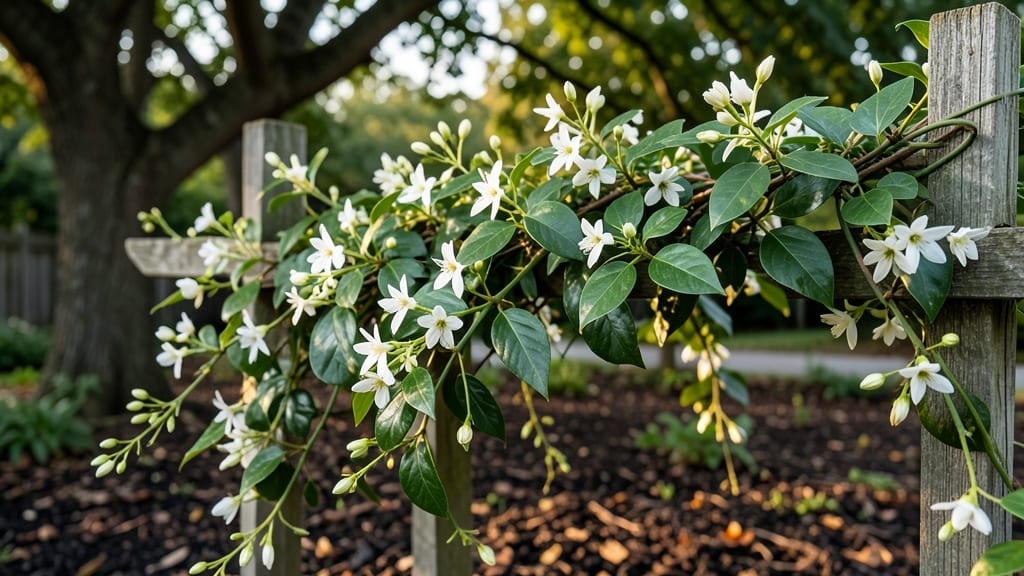
Jasmine plants behave as perennials in warm climates (USDA Zones 7-11) but are typically treated as annuals in colder regions, where frost destroys their woody stems. Cold-hardy varieties like Winter Jasmine (Jasminum nudiflorum) can survive down to Zone 5, while tropical types like Common Jasmine (Jasminum officinale) must be replanted each year in freezing areas.
Whether your jasmine thrives year-round or needs replanting depends entirely on your climate zone. 🌱 In warmer regions, these plants establish deep root systems that regrow each spring, while in colder areas, gardeners often dig up and replant them annually to avoid winter damage.
The key difference lies in the plant's ability to withstand freezing temperatures—some varieties can handle light frosts, while others require complete protection. For example, Winter Jasmine's bright yellow blooms in late winter prove its resilience, whereas tropical jasmines simply can't survive the cold.
If you're in a transitional zone (like Zone 6), you might get away with treating it as a perennial one year and an annual the next—it all depends on how harsh your winters are.
I've seen gardeners in these areas use thick mulch or even move potted jasmines indoors during extreme cold snaps to extend their growing season. The bottom line? Your local climate dictates whether you'll enjoy your jasmine's fragrance year after year or need to start fresh each spring.
💡 In This Article
- Understanding Jasmine Plant Lifecycles by Climate Zone
- How to Overwinter Jasmine Plants in Cold Climates
Understanding jasmine plant lifecycles by climate Zone
The distinction between annual and perennial growth in jasmine plants boils down to their cold tolerance thresholds and root system resilience. In USDA Zones 7-11, where winter temperatures rarely drop below 10°F, jasmine plants establish deep, woody root systems that regenerate each spring.
These roots act like a biological hard drive, storing energy to fuel new growth when conditions warm up. 🌿 The key mechanism here is cambial activity—the plant's growth layer—remaining dormant but viable through mild winters.
For tropical varieties like Jasminum officinale, the problem isn't just the cold—it's the freezing of their woody stems. When temperatures hit 28°F, the cell walls rupture, killing the above-ground structure.
However, their roots may survive if insulated properly, which is why you'll sometimes see gardeners in Zone 6 replant cuttings from their own plants.
Winter Jasmine (J. nudiflorum), on the other hand, has evolved to handle -15°F temperatures by producing a thicker bark layer that protects its vascular system.
What most gardeners don't realize is that topkill (above-ground dieback) doesn't always mean total death. Even in Zone 5, some jasmine varieties can regrow from dormant buds at the base of the stem if the roots remain undamaged.
The critical factor is soil insulation—a 4-6 inch layer of mulch can raise soil temperatures by 5-10°F, making the difference between survival and loss. This is why many gardeners in marginal zones treat their jasmines as "semi-perennials."
Here's how the zones break down in practice:
- Zones 7-11: True perennials with minimal winter care needed
- Zones 5-6: Hardy varieties like Winter Jasmine may survive with protection
- Zones 3-4: Tropical jasmines must be grown as annuals or overwintered indoors
Another fascinating aspect is how flowering time correlates with cold hardiness. Winter Jasmine blooms in late winter (January-February) precisely because it's adapted to cold snaps, while tropical jasmines flower in spring/summer when temperatures are stable.
This biological timing gives you a visual cue about which type you're working with—bright yellow Winter Jasmine flowers mean you're dealing with a cold-hardy variety!
The science behind this involves phenological adaptation. Cold-hardy jasmines have developed antifreeze proteins in their cells that prevent ice crystal formation, while tropical varieties lack these protective mechanisms. This is why you'll never see J. officinale surviving a Zone 4 winter—its cellular structure simply can't handle the freeze-thaw cycles.
For gardeners in transitional zones, this means your success rate depends on microclimate factors like afternoon sun exposure, wind protection, and soil drainage.
A south-facing wall can add 10-15°F of warmth compared to an open garden bed, potentially making the difference between perennial and annual behavior in your specific location. 🌡️