
Flowers
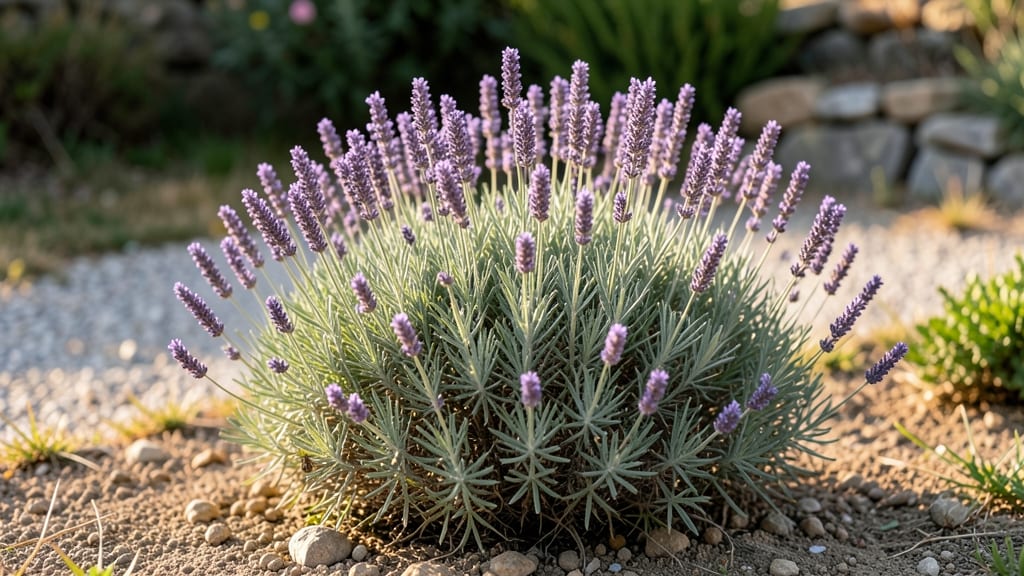
Lavender is a perennial that thrives by dying back in winter but regrows stronger each spring, thanks to its deep root system and tolerance for dry, sunny conditions with minimal care.
This hardy plant's secret lies in its woody stems and extensive root network, which store nutrients to fuel regrowth when temperatures rise. Unlike annuals that complete their lifecycle in one season, lavender's perennial nature means it can live for years with proper care—some varieties even reach 10+ years!
The key to its resilience is understanding its dormancy cycle: it conserves energy during winter's chill but springs back to life with remarkable vigor when conditions improve. 🌱
What makes lavender particularly fascinating is how it adapts to harsh conditions—whether it's drought, poor soil, or freezing temperatures. Its ability to recover from winter dieback stems from evolutionary advantages like photoperiodism (light-sensitive growth patterns) and stored carbohydrates in its roots.
This means even if the tops brown and appear dead, the plant remains alive beneath the surface, ready to burst back with new growth when spring arrives.
💡 In This Article
- How Lavender’s Growth Cycle Works as a Perennial
- Caring for Lavender Through Its Annual Dormancy
How lavender’s growth cycle works as a perennial
Lavender’s perennial nature hinges on its woody stems, which act like nature’s built-in survival mechanism. Unlike herbaceous perennials that die back to the ground, lavender retains its rigid, woody framework through winter.
These stems contain vascular bundles that transport stored nutrients and water, while their thick cuticles minimize moisture loss. 🌿 This woody structure isn’t just for show—it’s a drought-adaptation trait that helps lavender endure dry spells and freezing temperatures.
The real magic happens underground, where lavender develops a deep, fibrous root system that can extend 2-3 feet into the soil. These roots store carbohydrates (like starches and sugars) during the growing season, which serve as an energy reserve for regrowth in spring.
Studies show that well-established lavender plants can store enough nutrients to sustain 30-50% of their annual growth from these root reserves alone. This is why even after the tops appear dead in winter, the roots remain alive and ready to sprout new shoots when conditions improve.
Lavender’s regrowth is triggered by a combination of photoperiodism (daylight length) and temperature shifts. As daylight increases in late winter, the plant’s internal clock signals it to break dormancy. When soil temperatures consistently reach 50-55°F, the roots begin metabolizing stored nutrients to produce new growth.
This two-step process—light sensitivity followed by temperature cues—explains why lavender often greens up 2-4 weeks before other perennials in spring. 🌱
One fascinating adaptation is lavender’s ability to sense moisture availability. Its roots release ethylene gas when soil moisture drops below 30% saturation, which helps the plant conserve water by slowing growth. This drought tolerance is why lavender thrives in poor, rocky soils where many plants would struggle.
The trade-off? Its deep roots mean lavender hates soggy conditions—waterlogged soil can suffocate its roots and trigger rot, even during winter dormancy.
Comparing lavender to other perennials like rosemary or thyme highlights its unique resilience. While rosemary also has woody stems, lavender’s vertical growth habit and higher carbohydrate storage give it an edge in colder climates.
For example, lavender can survive Zone 5 winters (as low as -20°F) with proper care, whereas rosemary typically tops out at Zone 8. This hardiness is why lavender is often called the "perfect low-maintenance perennial" for gardeners in challenging environments.
What most gardeners don’t realize is that lavender’s first flush of spring growth is often the most vigorous because it’s fueled by stored nutrients. This explains why lavender plants can double in size within their first growing season after winter.
The key takeaway? Lavender’s dormancy isn’t weakness—it’s a strategic survival tactic that pays off with stronger, hardier plants each year. ✨