
Light Requirements
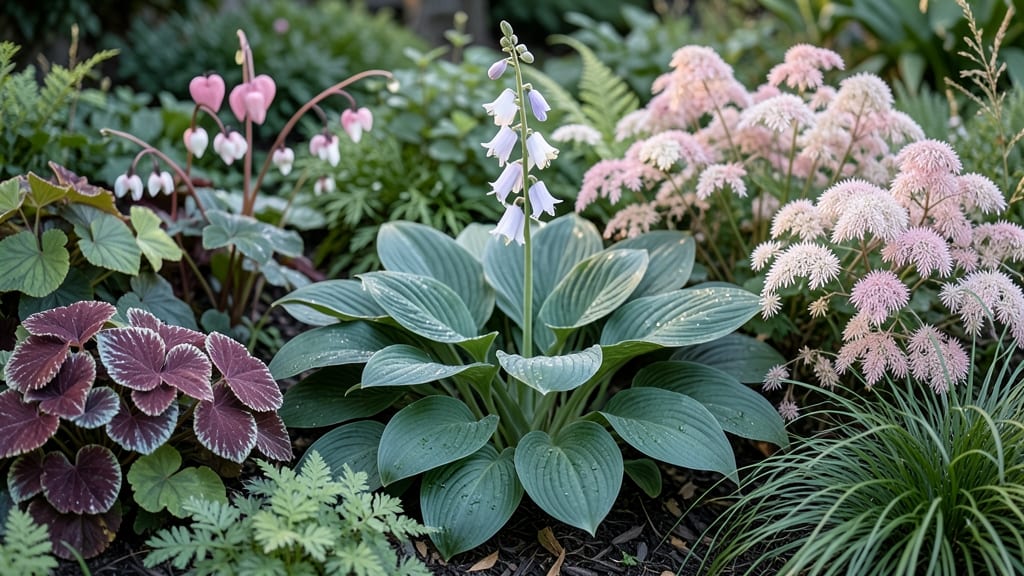
The best part shade flowers perennials, such as hostas, astilbes, and bleeding hearts, thrive in filtered sunlight, offering lush foliage and vibrant blooms with minimal maintenance compared to full-sun varieties. Choosing the right types for your garden's moisture levels and seasonal blooming cycles ensures stunning displays from spring through fall.
These plants excel in areas receiving 3-6 hours of indirect sunlight daily, making them perfect for under trees or along north-facing walls. 🌿 The key is their ability to balance photosynthesis with moisture retention—too much direct sun can scorch delicate leaves, while too little shade may reduce flowering.
I've seen astilbes, for example, produce foot-tall plumes when given consistent morning light, while hostas deliver bold foliage even in deeper shade. For gardeners in humid climates, prioritize varieties with disease-resistant leaves like Hosta 'Blue Angel' or Astilbe 'Deutschland'.
Seasonal planning matters too: early bloomers like heuchera (coral bells) brighten spring gardens, while Japanese anemones extend color into fall. Soil moisture preferences vary—some like wet feet (like marsh marigolds), while others prefer well-draining soil (like lungwort).
Always check your garden's specific conditions before selecting plants, as even part-shade perennials can struggle if overwatered or planted in heavy clay.
💡 In This Article
- How Light Conditions Affect Part Shade Perennials
- Best Part Shade Perennials by Season and Soil Needs
How light conditions affect part shade perennials
Part shade perennials thrive because their physiology adapts to 3-6 hours of filtered sunlight daily, striking a balance between photosynthesis and moisture conservation.
Unlike full-sun plants that rely on intense light for energy, these species have evolved with larger, thinner leaves that maximize light absorption while minimizing water loss through transpiration.
For example, hostas produce chlorophyll-rich foliage that efficiently converts even dappled light into energy, while their broad leaves help shade the soil to retain moisture. 🌿 This adaptation explains why they flourish under trees or on north-facing walls where direct sun is limited.
The intensity of light directly impacts bloom production—too little shade can lead to leggy growth, while too much direct sun causes leaf scorch (brown, crispy edges). Astilbes, for instance, produce their signature feathery plumes only when receiving morning sun (which is less intense than afternoon rays).
The science behind this is simple: morning light provides just enough energy for flowering without overheating the plant. In contrast, full-shade perennials like ferns or lungwort can tolerate less than 3 hours of light because their leaves are thinner and more delicate, prioritizing shade tolerance over bloom production.
Leaf variegation is a telltale sign of light tolerance—plants with white or yellow stripes (like variegated hostas) often need more light to maintain their striking patterns, as the white tissue lacks chlorophyll and can't photosynthesize efficiently.
Without sufficient light, these variegated leaves may revert to solid green, losing their ornamental appeal. 💫 Meanwhile, solid-green foliage plants like bleeding hearts or hellebores are more forgiving, adapting to a wider range of light conditions while still thriving in part shade.
This is why gardeners often pair variegated hostas near trees with morning sun exposure.
Soil moisture plays a critical role in how these perennials respond to light. In part shade, the ground stays cooler and retains moisture longer, which is ideal for plants like astilbes that prefer consistently damp soil.
However, if the area is too shady, roots may struggle to access nutrients, leading to weaker growth. The key is matching the plant's native habitat—many part-shade perennials originate from forest understories, where they evolved to compete for light without drying out.
For example, Japanese anemones thrive in moist, well-draining soil with partial shade, mimicking their natural woodland environment.
Regional climate also influences light needs. In hot, humid zones (like USDA Zone 8), part-shade perennials benefit from afternoon shade to prevent stress, while in cooler zones (like USDA Zone 5), they may tolerate more morning sun.
For instance, heuchera (coral bells) can handle full shade in Zone 5 but may need 3-4 hours of light in Zone 9 to maintain vibrant foliage. Understanding these nuances ensures your garden's part-shade plants remain healthy and vibrant year-round. 🌱
One common mistake is assuming all part-shade perennials have the same light requirements. For example, bleeding hearts (Dicentra spectabilis) prefer dappled light with afternoon shade, while foamflower (Tiarella cordifolia) can tolerate full shade.
This is why it's essential to research each plant's specific needs—some, like Hosta 'Francee', will develop bold blue-green leaves with enough light, while others, like Astilbe 'Fanal', will produce deep red plumes only with consistent morning sun exposure.