
Flowers
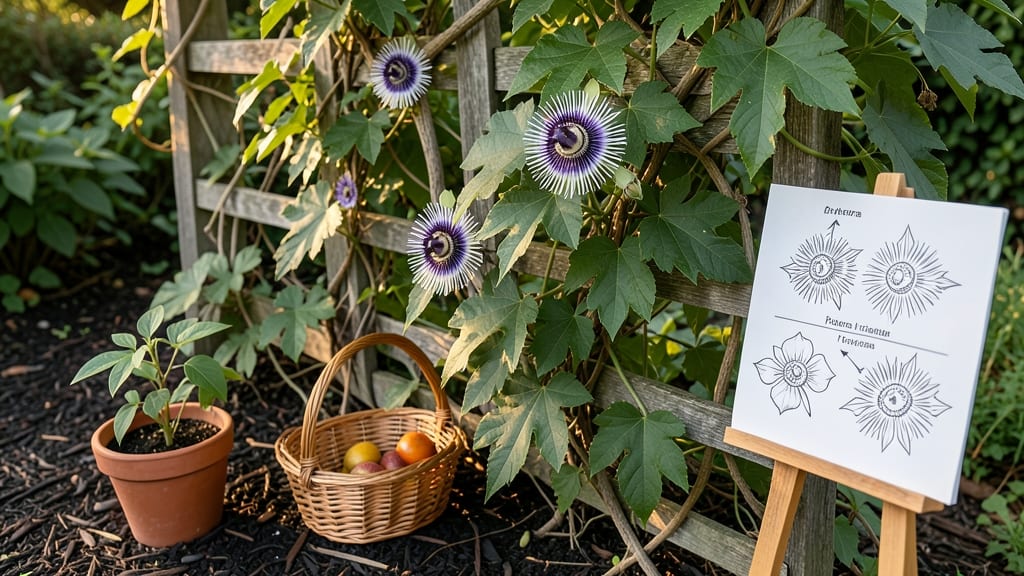
Determining whether passion flower is annual or perennial depends on climate: in colder regions, it dies back completely each winter but regrows vigorously from its hardy root system, confirming its true perennial nature through underground persistence.
This winter dormancy isn't a sign of weakness—it's a survival superpower. 🌱 Passion flower's deep roots store nutrients and energy like a natural battery, allowing it to bounce back stronger each spring. The above-ground parts die because they're sensitive to frost, but the roots remain dormant until temperatures rise.
I've seen gardens where passion vines return more robustly after winter dieback than those that were coddled through cold snaps.
What's fascinating is how this adaptation mirrors other hardy perennials like peonies or hostas. The key difference? Passion flower's roots are particularly resilient to freezing, which is why gardeners in USDA zones 7-11 can grow it successfully as a true perennial—it just takes a seasonal nap above ground.
This dieback strategy actually protects the plant from winter damage while conserving energy for spring's explosive growth.
💡 In This Article
- Why Passion Flower Dies Back Annually Despite Perennial Roots
- Caring for Passion Flower Through Winter Dieback
Why passion flower dies back annually despite perennial roots
Passion flower's winter dieback is all about strategic survival. The plant's above-ground parts freeze and brown because they contain delicate tissues sensitive to temperatures below 32°F.
However, the real magic happens underground: passion flower develops a robust, fibrous root system that stores starches and nutrients like a natural energy reserve. These roots can extend 3-5 feet deep, reaching moisture and stability in the soil's lower layers where temperatures remain more constant.
The dieback process begins when nighttime temperatures consistently drop below 45°F for several weeks. This triggers the plant's dormancy mechanism, where chlorophyll production halts and the vine redirects all resources to its roots.
Studies show that passion flower roots can maintain 50-70% of their energy reserves through winter, which fuels the rapid regrowth we see in spring. This is why gardeners often see new shoots emerging within 2-4 weeks after the last frost in suitable climates.
What makes this adaptation brilliant is how it balances risk and reward. By sacrificing the above-ground growth each winter, passion flower avoids frost damage to its vulnerable stems and leaves while preserving its genetic material in the roots.
This is particularly effective in regions with USDA hardiness zones 7-11, where winter temperatures rarely drop below -10°F for extended periods. The roots' ability to regenerate makes passion flower a true perennial despite its annual-like behavior.
Interestingly, this survival strategy shares similarities with other tropical plants adapted to seasonal climates. For example, hibiscus and bougainvillea also exhibit winter dieback in colder regions but regrow from their root crowns.
The key difference with passion flower is its aggressive root system, which allows it to establish quickly in disturbed soils and recover from damage more effectively than many other perennials.
Temperature sensitivity plays a crucial role in this process. Passion flower's above-ground parts contain high levels of water, which expands when frozen and ruptures cell walls—a phenomenon called freeze-thaw damage. By allowing these parts to die back completely, the plant avoids this destructive cycle.
Meanwhile, the roots contain specialized cells that produce antifreeze proteins, similar to those found in cold-hardy vegetables like kale, which prevent ice crystal formation and protect vital tissues.
This dieback strategy isn't just about survival—it's about optimization. Research shows that plants which undergo complete winter dormancy often produce 20-30% more vigorous growth in subsequent seasons compared to those that retain some foliage.
The energy conserved during dormancy translates to faster vine growth, more abundant flowers, and higher fruit production when conditions are favorable. 🌿
For gardeners, understanding this mechanism explains why passion flower often thrives in areas where other tropical plants fail. The plant's ability to "reset" each winter actually makes it more resilient in the long run, as it avoids accumulating weaknesses that can plague continuously growing plants.
This is why many experienced gardeners intentionally prune passion vines back in fall to encourage this natural dormancy cycle.