
Planting
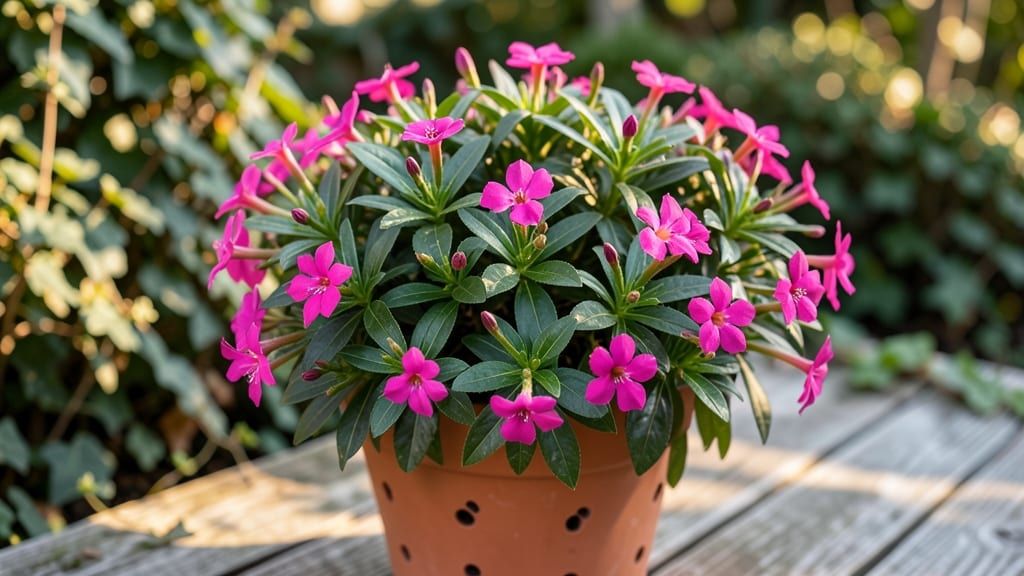
Whether your penta plant (Pentas lanceolata) acts as an annual or perennial depends entirely on your climate—it dies back to the ground in cold winters but regrows from its hardy root system in frost-free zones.
This tropical beauty thrives as a perennial in USDA zones 10-11, where it naturally returns each spring from its deep root system. 🌱 In colder regions, gardeners often treat it as an annual because frost kills the above-ground growth, though the roots may survive if protected.
The key difference lies in temperature tolerance—penta plants can't handle sustained freezing, which is why they disappear in northern climates but persist in warmer areas.
Interestingly, this behavior mirrors other frost-sensitive perennials like coleus or impatiens, which also retreat underground when temperatures drop. The good news? With proper overwintering techniques—like bringing potted plants indoors or mulching garden beds heavily—you can coax your penta to return year after year, even in marginal climates.
💡 In This Article
- Why Penta Plants Die Back in Cold Climates
- How to Overwinter Penta Plants for Year-Round Growth
Why penta plants die back in cold climates
The penta plant's dramatic winter dieback stems from its tropical origins. Native to East Africa, this species evolved in regions where temperatures rarely drop below 50°F—any frost triggers a survival mechanism called cold-induced dormancy.
When temperatures fall below 32°F, the above-ground stems and leaves freeze and turn brown, but the root system remains alive beneath the soil, storing energy for potential regrowth. 🌡️
This behavior differs from true annuals (like marigolds), which die completely after seeding. Penta's roots can survive light freezes if protected by mulch or snow cover, but prolonged exposure to 20°F or colder will kill even the roots.
The plant's hardiness zone range (USDA 10-11) explains why it thrives as a perennial in Florida or Hawaii but acts as an annual in most northern gardens. Interestingly, its cousin Pentas lanceolata 'Graffiti' shows slightly better cold tolerance but still requires protection below 40°F.
The dieback process begins when cell membranes in the stems rupture from ice crystal formation—a phenomenon called cryoinjury. This triggers the plant to redirect nutrients to its roots, where starches convert to sugars for energy storage.
You'll notice the stems turning black and brittle within 2-3 days of frost exposure, while the roots remain firm and white. This root system can remain viable for up to 6 months in dormancy if soil moisture is maintained.
Comparing penta to other tropical perennials reveals similar survival strategies. Like coleus or impatiens, penta prioritizes root preservation over above-ground growth when temperatures drop. The key difference is that coleus roots are slightly more cold-hardy (28°F tolerance), while impatiens roots typically die below 35°F.
Penta's intermediate sensitivity makes it particularly vulnerable to late spring frosts or early fall freezes in marginal climates.
What most gardeners don't realize is that penta's dieback isn't always fatal—it's a survival adaptation. In ideal conditions (warm soil, consistent moisture), these roots can sprout new growth within 3-4 weeks of spring warming.
The challenge lies in maintaining those conditions through winter, which is where proper mulching or container protection becomes critical. 🌱
This root-based regeneration explains why penta plants often return stronger in their second year when properly overwintered. The established root system produces more vigorous shoots than first-year plants, which is why many gardeners report their pentas becoming more robust with each successful overwintering cycle.
The trade-off? This perennial behavior requires more effort in colder climates than treating it as an annual.