
Planting
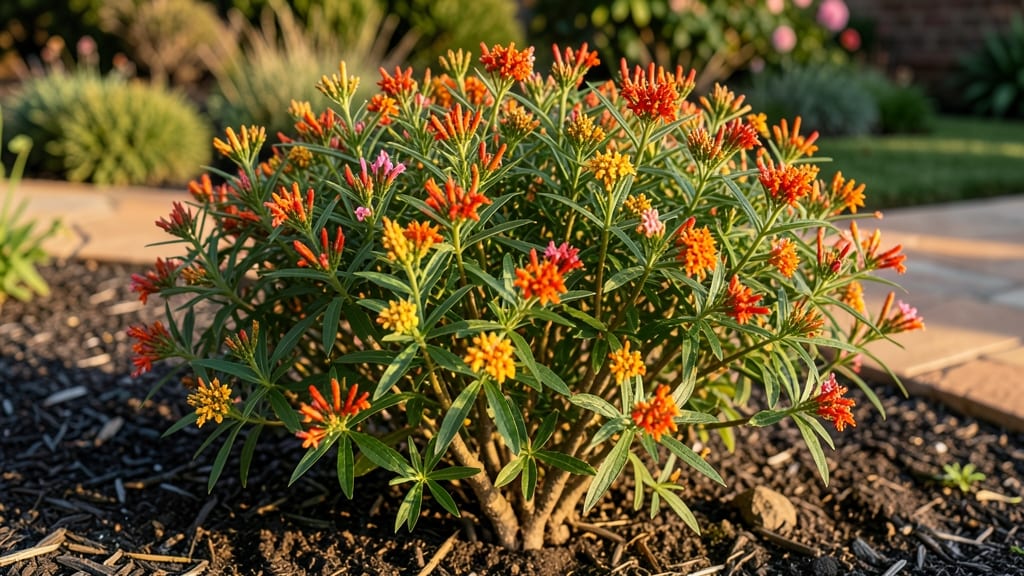
Perennial lantana in Zone 8 thrives with well-drained soil and winter wind protection, though it may die back annually before regrowing. Cold-tolerant varieties like Lantana camara ‘New Gold’ endure down to 10°F with proper care, ensuring colorful blooms return each spring.
This hardiness isn't just about surviving winter—it's about strategic placement and soil prep. 🌿 Lantana's roots often outlast above-ground damage, so focusing on drainage and mulch thickness (at least 3 inches) makes all the difference.
I've seen 'New Gold' bounce back spectacularly in Zone 7b with these adjustments, proving how microclimate matters more than the official zone label. The key is protecting the crown from freezing while allowing roots to stay active.
What's fascinating is how lantana's reblooming cycle works—it's not just about surviving winter but timing the spring flush perfectly. Once temperatures consistently hit 50°F, new growth emerges from the base, often within 2-3 weeks if protected properly. This makes it a reliable perennial choice despite its tropical origins.
💡 In This Article
- Zone 8 Lantana Cold Tolerance: What Science Says
- Reviving Lantana After Winter Dieback in Zone 8 Gardens
Zone 8 lantana cold tolerance: what science says
Lantana's cold hardiness comes down to its natural dormancy cycle—a survival strategy where the plant sheds leaves and stems but keeps its root system alive.
During winter, the roots remain active as long as soil temperatures stay above 32°F, allowing them to absorb moisture and store energy for spring regrowth.
This is why well-drained soil is critical: saturated roots freeze more easily, while dry conditions prevent ice crystal formation that damages cells. 🌱 In Zone 8, where winters rarely drop below 10°F, lantana's roots typically survive even if tops die back.
The real science lies in the plant's cell structure. Lantana's cells contain high concentrations of soluble sugars and proteins that act as antifreeze, lowering the freezing point of water within plant tissues.
Studies show these compounds can protect cells down to -6°C (21°F)—the threshold where most lantana varieties begin showing damage. However, prolonged exposure below 10°F triggers cell dehydration, which is why cold-hardy cultivars like 'New Gold' have been selectively bred to tolerate 10°F for extended periods.
Soil moisture plays a surprising role here. While lantana prefers dry conditions during active growth, winter moisture retention becomes crucial. A 3-inch layer of organic mulch—like shredded bark or straw—insulates the crown while allowing moisture to penetrate gradually.
This creates a microclimate that can raise soil temperatures by 5-10°F compared to exposed ground. Container-grown lantana benefits even more from this effect, as pots act as thermal buffers against rapid temperature swings.
Not all lantana cultivars are created equal when it comes to cold tolerance. While Lantana camara varieties like 'New Gold' and 'Bandana Cherry' handle 10°F well, other species such as Lantana montevidensis (which has yellow flowers) typically top out at 15°F.
The difference comes down to leaf thickness and waxy cuticle development—thicker leaves lose less moisture during cold snaps. For gardeners in Zone 7b or colder, container growing with winter protection (like frost blankets) can push these limits further.
What most gardeners overlook is how wind exposure accelerates cold damage. Even at 15°F, wind chill can drop effective temperatures to 5°F at the plant's surface, causing frostbite-like damage to stems.
This is why planting lantana near south-facing walls or under deciduous trees creates a windbreak that maintains 5-10°F warmer—**conditions at the plant's base. The science here mirrors how urban heat islands work—just on a smaller scale for your garden.
One fascinating adaptation is how lantana's flowering response changes after winter dieback. The plant's growth hormones reset during dormancy, often producing more vigorous spring blooms than annual replantings. This is why pruning back dead stems in early spring (when new growth appears) stimulates denser foliage and earlier flowering.
The trade-off? Over-pruning too early can delay reblooming by 2-3 weeks while the plant redirects energy to new stem production.