
Planting
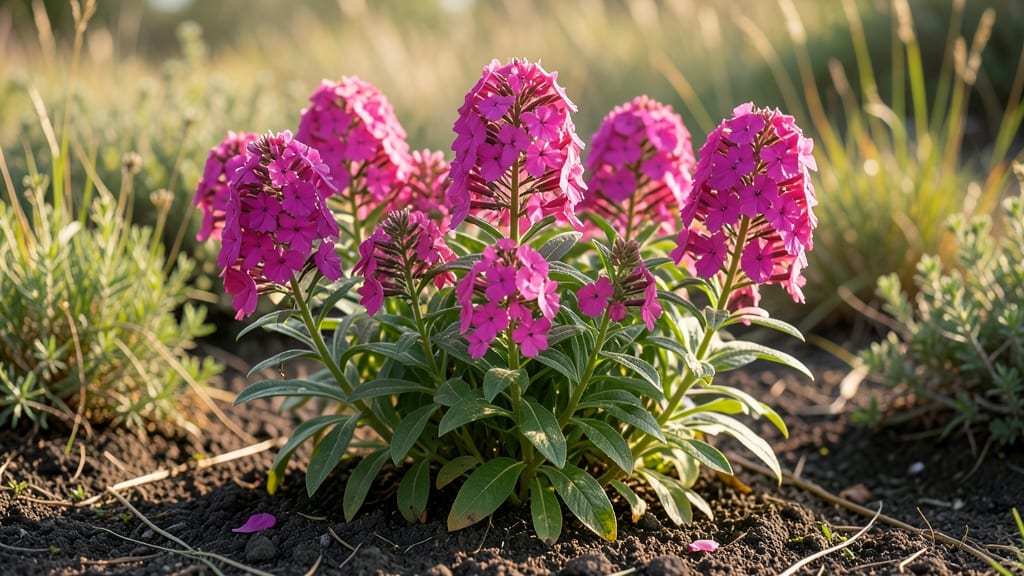
As a phlox plant perennial, it may appear dead in winter but survives underground, storing energy in its roots to fuel vibrant spring regrowth and continuous blooming cycles.
This winter dieback isn't a sign of failure—it's how phlox plants conserve energy in cold climates. 🌱 The deep root systems act like natural batteries, storing nutrients until temperatures rise.
Different varieties handle cold differently, with garden phlox typically thriving in zones 3-8, while wild species often push those limits further. The key to strong reblooming lies in protecting those roots through proper mulching and avoiding early spring pruning, which can disrupt the plant's natural energy reserves.
What sets phlox apart is its resilience. Even after a harsh winter, the roots remain dormant but alive, ready to push new shoots when conditions improve. This adaptability makes them perfect for gardeners who want long-term color without annual replanting.
The trade-off? Some varieties may need occasional division every few years to maintain vigor, but that's a small price for their reliable annual returns.
💡 In This Article
- How Phlox Perennial Dieback Works
- Maximizing Phlox Perennial Return Rates
How phlox perennial dieback works
The winter dieback of phlox plants is a survival strategy rooted in their biology. As temperatures drop below 40°F, the stems and foliage undergo a process called senescence, where the plant intentionally sheds its above-ground growth to conserve energy.
This isn't death—it's dormancy, a state where metabolic activity slows dramatically while the plant redirects resources to its root system. The roots, which can extend 12-18 inches deep, become the plant's energy reserve, storing carbohydrates like starches that fuel spring regrowth.
What makes this possible is phlox's cold hardiness, which varies by species. Garden phlox (Phlox paniculata) typically thrives in USDA zones 3-8, while wild species like creeping phlox (Phlox subulata) can survive in zone 4 or even 3 with proper protection.
The key difference lies in their root systems: garden phlox develops thicker, more robust roots that store more energy, while wild varieties have shallower but more fibrous roots adapted to rocky, nutrient-poor soils. This variation explains why some phlox plants appear more resilient after harsh winters.
The biological mechanism involves two critical phases: autumnal hardening and vernalization. In autumn, phlox produces antifreeze proteins that protect cell membranes from freezing damage, while in winter, the roots maintain just enough activity to stay alive.
When spring arrives, warmth triggers the roots to release stored energy, which travels upward to stimulate new shoot growth. This process typically begins when soil temperatures reach 50-55°F, signaling the end of dormancy and the start of reblooming.
One fascinating aspect is how phlox roots can remain viable even after multiple years of dieback. Studies show that well-established phlox plants can maintain root systems for 5-7 years before needing division, as the roots gradually become less efficient at storing energy.
This is why gardeners often notice their phlox clumps spreading—each year's regrowth adds to the root network, creating a more robust system for future winters. The trade-off is that older clumps may produce fewer blooms unless divided every 3-5 years to rejuvenate growth.
Visual clues can help gardeners distinguish between healthy dieback and true plant death. Healthy dormant phlox will have green or brown (not black) roots when dug up, while dead roots appear mushy and lack the fibrous texture.
The presence of bud scales at the base of stems is another good sign—these protective structures shield the emerging shoots until spring. If you see these, your phlox is alive and ready to rebound, even if the above-ground growth has completely disappeared.
Understanding this process also explains why phlox plants often bloom more vigorously in their second or third year. The first year's growth focuses on building the root system, while subsequent years prioritize flowering as the energy reserves mature.
This delayed gratification is part of what makes phlox such a rewarding perennial for patient gardeners. 🌿