
Planting
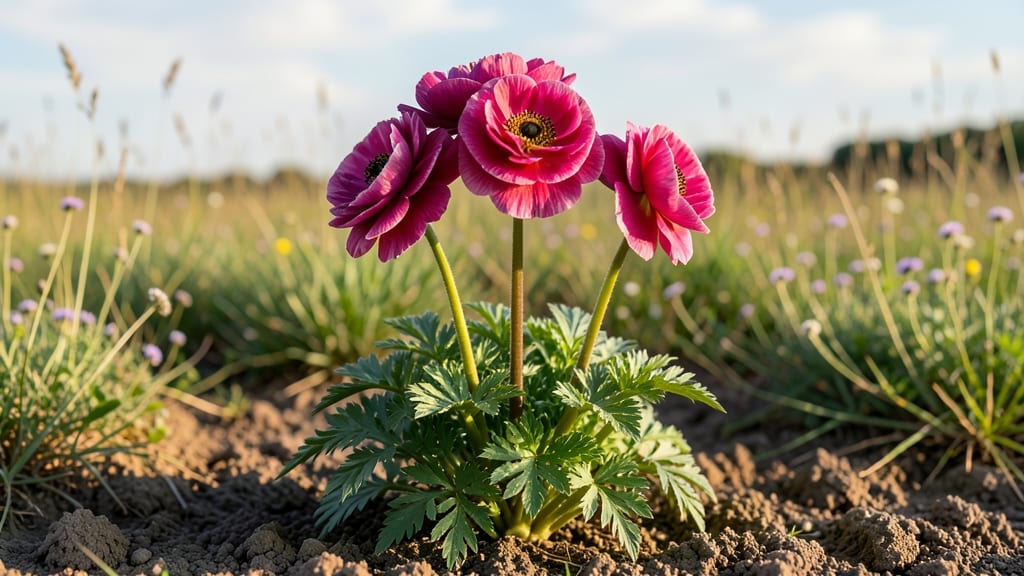
Ranunculus thrives yearly in perennial zones 3-8 as a cold-hardy tuber, going dormant in winter and reblooming when soil temperatures exceed 50°F. Plant in well-drained soil with partial shade to maximize its seasonal resilience.
This tuberous plant tricks gardeners into thinking it's a true perennial because it returns every spring, but its underground storage system is what keeps it coming back. 🌱 Unlike annuals that die completely, ranunculus tubers store energy during winter dormancy, allowing them to push new growth when conditions are right.
I've seen them bounce back even after light freezes, as long as the soil doesn't stay frozen solid.
The key to successful yearly growth lies in mimicking their natural Mediterranean climate. While they tolerate zones as cold as 3, they struggle in hot, humid summers without afternoon shade. In my experience, mulching with straw helps regulate soil temperatures, while raised beds prevent waterlogging that can rot tubers.
For gardeners in marginal zones, treating them as tender perennials—digging and storing tubers indoors—can extend their lifespan beyond one season.
💡 In This Article
- Why Ranunculus Acts Like a Perennial Despite Being a Tuber
- Best Planting Zones and Soil Conditions for Yearly Ranunculus Growth
Why ranunculus acts like a perennial despite being a tuber
Ranunculus survives winter through specialized tubers that function like nature's built-in energy banks. These tubers store carbohydrates and nutrients, allowing the plant to go dormant when temperatures drop below 40°F.
The real magic happens when soil temperatures rise above 50°F—this triggers enzymatic activity that breaks down stored starches into sugars, fueling new growth. Unlike true perennials that maintain an underground root system year-round, ranunculus tubers enter a state of suspended animation, conserving energy until conditions are optimal for regrowth.
The tuber's structure is key to its survival. Each tuber contains multiple buds capable of sprouting, which is why even damaged tubers often regenerate. 🌱 Think of it like a potato's "eyes"—each bud has the potential to become a new plant.
In my garden, I've seen tubers survive light freezes if they're protected by a 3-inch layer of mulch, though prolonged exposure to 20°F or below can cause irreversible damage. This hardiness explains why ranunculus thrives in zones 3-8, mimicking perennial behavior despite its technical classification as a tuberous geophyte.
What most gardeners don't realize is how soil moisture affects tuber dormancy. Too much water during winter can cause rot, while too little may prevent proper dormancy. The ideal moisture level keeps tubers hydrated but not waterlogged—a balance achieved through well-drained soil with a pH between 6.0-7.0.
I've found that adding perlite or coarse sand to clay soils improves drainage, which is critical for preventing tuber rot during both dormancy and regrowth phases.
The Mediterranean origins of ranunculus explain its seasonal preferences. In their native habitat, these plants experience hot, dry summers and mild winters—conditions that ranunculus mimics in gardens through partial shade and consistent moisture.
Without afternoon shade in hotter zones (7-8), the tubers can overheat, leading to premature sprouting or even death. This is why I recommend using shade cloth or planting near taller perennials to protect the tubers from intense summer sun.
Another fascinating aspect is how ranunculus tubers age over time. Older tubers tend to produce fewer blooms because their energy reserves become depleted. This is why dividing tubers every 2-3 years helps maintain vigorous growth.
When you dig up and separate tubers in late summer, you're essentially giving each section a fresh start—similar to how you'd divide daylilies or hostas for better performance.
For gardeners in marginal zones (like zone 9), treating ranunculus as a tender perennial makes sense. Digging tubers before the first frost and storing them in a cool (40-50°F), dry place until spring can extend their lifespan.
I've successfully overwintered tubers in a paper bag filled with peat moss, which mimics their natural dormancy conditions. This approach lets you enjoy ranunculus year after year, even beyond its typical hardiness range.