
Flowers
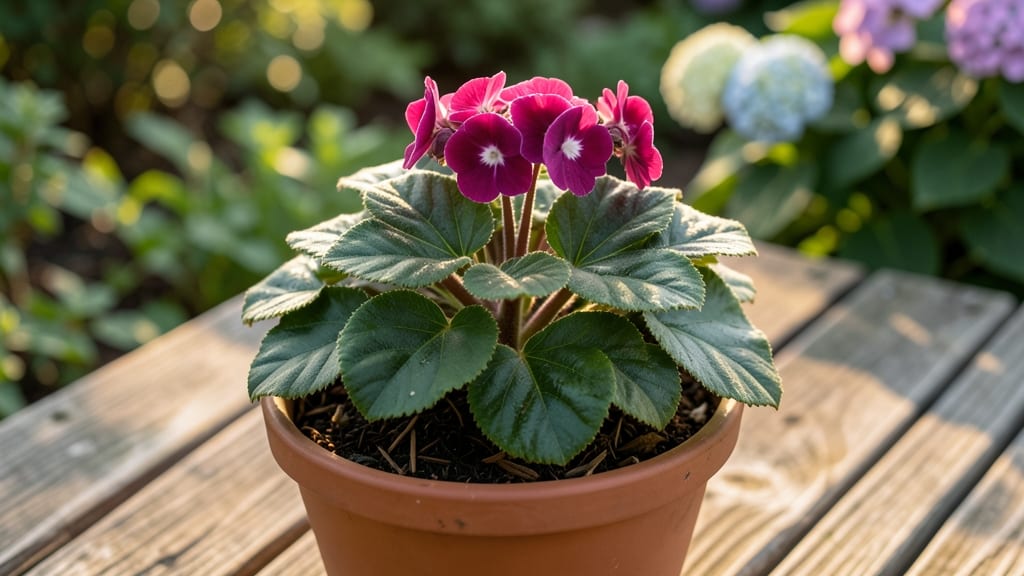
Deciding whether Rieger begonia is a perennial or annual depends on your climate: it thrives as a perennial in frost-free zones (USDA 10-12), but acts as an annual in colder regions where freezing kills its foliage. With proper tuber storage, you can coax regrowth year after year even in marginal zones.
This distinction comes down to temperature tolerance—Rieger begonias are tropical plants at heart, so they simply can't survive freezing soil. 🌱 In warmer climates, they'll reward you with continuous blooms and lush foliage for years, while gardeners in colder areas often treat them as seasonal favorites.
The key to extending their life in marginal zones lies in saving and properly storing their tubers over winter, which I'll cover in detail below.
What's fascinating is how these plants adapt: even in colder climates, their tubers remain dormant but viable, ready to sprout new growth when conditions improve.
This makes them more resilient than many gardeners realize—with the right care, you can enjoy their vibrant flowers for multiple seasons regardless of your hardiness zone.
💡 In This Article
- Why Rieger Begonia Dies Back in Cold Climates
- How to Overwinter Rieger Begonia Tubers for Year-Round Growth
Why Rieger begonia dies back in cold climates
Rieger begonias are tropical plants by nature, evolved to thrive in warm, humid environments where temperatures rarely drop below 50°F (10°C). Their foliage and stems contain high moisture content—up to 85% water—which makes them extremely vulnerable to freezing.
When temperatures fall below 32°F (0°C), ice crystals form within plant cells, rupturing their delicate structures and causing irreversible damage. This is why they exhibit annual dieback in colder climates, even though their genetic makeup suggests perennial potential.
The plant's survival strategy in marginal climates relies on its tuberous roots, which act as energy reservoirs. Unlike fibrous roots, these thickened underground stems store starches that sustain the plant during dormancy.
In USDA Zones 10-12, where winters rarely drop below 40°F (4°C), the begonias continue growing year-round, producing continuous blooms. The key difference is that in colder zones, the above-ground growth dies back completely, while the tubers remain dormant until spring warmth signals regrowth.
What's particularly interesting is how light triggers this cycle. Short winter days combined with cold temperatures send biochemical signals that induce dormancy. The plant's meristem cells (growth centers) become inactive, halting leaf production while the tubers enter a state of suspended animation.
This biological response explains why even in Zone 9, where occasional light freezes occur, Rieger begonias often behave more like annuals unless protected.
Consider this comparison: In Florida's Zone 10, a Rieger begonia might produce vibrant blooms from spring through fall with minimal care, while in Zone 7, the same plant would require careful overwintering to survive.
The difference lies in how long the plant can maintain active growth before cold forces dormancy. In colder climates, the growing season shrinks dramatically, making annual treatment more practical for most gardeners.
The plant's sensitivity extends beyond just temperature. Humidity levels below 50% can also stress Rieger begonias, making them more susceptible to cold damage. This is why they often fare better in greenhouses or containers where you can control environmental conditions.
The combination of low humidity and freezing creates a double threat to their survival, explaining why even experienced gardeners in marginal zones sometimes treat them as annuals.
Here's what happens at the cellular level: Cold stress triggers an oxidative burst in plant cells, producing reactive oxygen species that damage membranes and proteins. The tuber's thick protective layer helps mitigate this damage during dormancy, but prolonged exposure to freezing temperatures will eventually compromise even this defense mechanism.
This biological reality is why Rieger begonias in colder climates require human intervention to survive beyond one growing season.