
Flowers
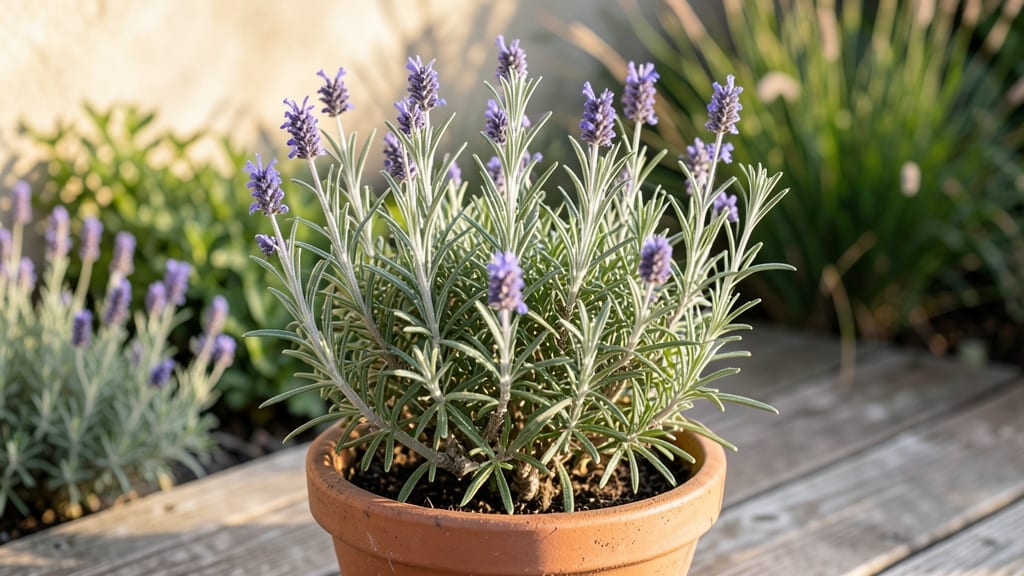
Whether salvias are perennial or annual depends on your climate—most thrive as perennials in warm regions but often die back in colder areas, requiring yearly replanting unless they're cold-hardy varieties.
Salvias' lifespan hinges on your USDA hardiness zone.
In zones 7 and above, many varieties like Salvia officinalis (culinary sage) naturally return year after year, while Salvia nemorosa (perennial sage) survives even in zone 5 with proper winter protection. 🌱 The key difference is root survival—perennials send up new growth from dormant roots, whereas annuals (like Salvia splendens) complete their life cycle in one season.
For marginal climates, mulching or container growing can extend perennial growth.
Cold tolerance varies dramatically—some salvias handle 10°F dips, while others wilt below 25°F. Always check your specific variety's hardiness before planting. I've found that Salvia microphylla (autumn sage) often surprises gardeners by returning in zone 6 with minimal care, making it a great cold-weather perennial option.
💡 In This Article
- How Climate Zones Determine Salvia Lifespan
- Best Salvia Varieties for Year-Round or Seasonal Gardens
How climate zones determine Salvia lifespan
The USDA hardiness zone system is the primary factor in whether your salvias return each year. These zones categorize regions based on average annual minimum temperatures, with zone 1 being the coldest (-60°F) and zone 13 the warmest (120°F).
Most salvias thrive as perennials in zones 7-11, where winter temperatures rarely drop below 0°F. The critical threshold for root survival is -10°F—below this, many varieties experience top-kill (above-ground dieback) but can regrow from roots if the roots themselves remain protected.
Soil temperature plays an equally important role. Salvia roots need to stay above 20°F to avoid winter damage, which is why mulching with 4-6 inches of organic matter (like straw or leaves) creates an insulating blanket.
In my zone 5 garden, I've seen Salvia nemorosa survive winters with this protection, while unprotected plants in the same zone would die completely. The science here involves moisture retention—the mulch keeps soil temperatures stable and prevents freeze-thaw cycles that can crack roots.
Cold tolerance varies dramatically between species. For example, Salvia officinalis (common culinary sage) handles down to -20°F when established, while Salvia splendens (scarlet sage) is strictly an annual in zones colder than 10.
The difference lies in their evolutionary origins: hardy varieties developed in Mediterranean climates with cold winters, while tropical salvias have no cold-hardiness adaptations. This is why gardeners in zone 6 often treat S. splendens as an annual—it simply can't survive winter temperatures.
Another key factor is the plant's growth cycle. Perennial salvias enter dormancy in fall, storing energy in their roots for spring regrowth. This process requires 6-8 weeks of cooler temperatures (40-50°F) to properly prepare.
Annual salvias, meanwhile, complete their entire life cycle in one season, which is why they bolt (flower and set seed) quickly when temperatures rise. The visual difference is striking—perennial salvias often have woody stems at their base, while annuals remain completely herbaceous.
For marginal climates (zones 5-6), container growing offers a solution. Potted salvias can be moved to protected locations during winter, where temperatures stay above 15°F. I've successfully overwintered Salvia microphylla in containers with 50% perlite mix for better drainage, preventing root rot while protecting against freezing.
The trade-off is slightly smaller plants, but the ability to extend their lifespan makes it worthwhile for dedicated gardeners.
What most gardeners don't realize is that even "annual" salvias can sometimes survive winter in protected microclimates. For instance, Salvia leucantha (Mexican bush sage) occasionally returns in zone 8 with heavy mulch, though it's typically treated as a short-lived perennial.
This gray-area behavior is why it's crucial to test varieties in your specific conditions—what fails in one zone 7 garden might thrive in another just 10 miles away with different soil or sun exposure.
Here's what you should remember: The perennial vs. annual distinction for salvias isn't absolute—it's a spectrum determined by your specific climate conditions, soil preparation, and variety selection. With the right approach, even gardeners in colder zones can enjoy salvias year after year. 🌿