
Flowers
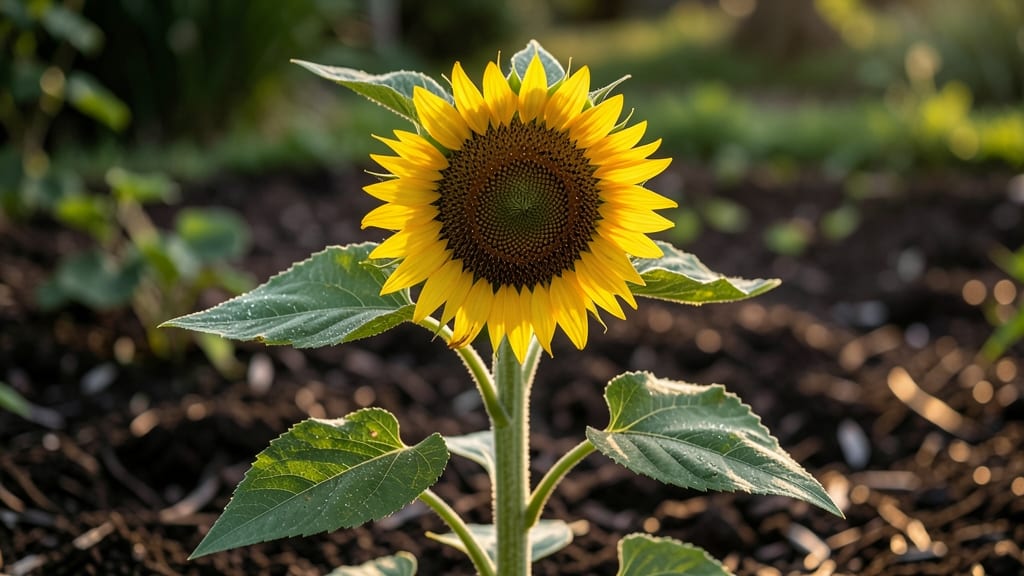
Sunfinity sunflowers function as annuals in most climates but can behave like perennials in cold zones with proper winter care, including heavy mulching or container overwintering to protect roots from freezing.
While Sunfinity sunflowers are technically annuals, their deep taproots can survive freezing temperatures when properly insulated. 🌱 The key is protecting these roots—whether through thick mulch layers or moving potted plants to sheltered spots.
I've seen them regrow year after year in zones 3-5 with this approach, though their blooming cycle may shorten slightly after overwintering.
This strategy works because sunflowers store energy in their roots during summer growth. When you shield these roots from extreme cold, the plant essentially "hibernates" underground until spring warmth triggers regrowth.
The trade-off? You might get slightly smaller blooms the second year, but the cost savings and extended garden enjoyment make it worthwhile for many gardeners.
💡 In This Article
- Why Sunfinity Sunflowers Act Like Perennials in Cold Climates
- Step-by-Step Guide to Overwintering Sunfinity Sunflowers
Why Sunfinity sunflowers act like perennials in cold climates
Sunfinity sunflowers are annuals by nature, meaning they complete their life cycle in one growing season. However, their deep taproots—capable of extending 3-5 feet into the soil—hold the secret to their cold-zone resilience.
These roots act as natural energy reserves, storing carbohydrates like starches and sugars that fuel regrowth in spring. When temperatures drop below 20°F, the roots enter a dormant state, much like how true perennials survive winter. The difference?
Sunflowers lack the woody stems or specialized buds that perennials use for regrowth, relying instead on root vitality.
What makes this possible is the sunflower's ability to tolerate light frost down to 15-20°F, though prolonged exposure to -5°F or lower can kill the plant.
The key mechanism here is cryoprotection—a natural process where the plant produces antifreeze-like proteins that prevent ice crystals from forming in its cells. This is why a thick layer of mulch (at least 4-6 inches) becomes critical: it insulates the roots, maintaining soil temperatures above freezing.
In zones 3-5, where winters are harsh, gardeners often combine mulching with container overwintering for extra protection.
The science behind this involves photosynthesis efficiency during summer growth. Sunfinity sunflowers, especially the 'Sunfinity' variety, produce larger leaves and stems than other sunflowers, allowing them to capture more sunlight and store excess energy in their roots.
This stored energy is what powers regrowth in spring, even after a dormant period. For example, a well-mulched Sunfinity planted in zone 4 might survive winters with -10°F dips if the roots remain unfrozen, whereas unprotected plants would die back completely.
There’s a catch, though: overwintered sunflowers often produce smaller blooms in their second year because they’ve already used some of their stored energy. This is why gardeners in colder climates treat them as "semi-perennials"—they’ll regrow but may not reach their full potential.
The trade-off is worth it for those who love the bright yellow blooms and the edible seeds (which are slightly smaller after overwintering but still nutritious). The key is balancing protection with the plant’s natural limitations.
Another factor is soil type. Sandy soils drain quickly and don’t insulate as well as clay or loamy soils, which retain moisture and heat. Amending the soil with compost before winter can improve root resilience.
For instance, adding 2-3 inches of compost in fall boosts the soil’s organic matter, helping it hold moisture and moderate temperature swings. This is especially useful in zone 5, where winters fluctuate between freezing and thawing cycles.
What most gardeners don’t realize is that sunflowers also benefit from selective pruning before winter. Cutting back the stems to 6-12 inches above the ground reduces the plant’s exposure to wind and cold, while leaving the roots intact.
This mimics how perennials like peonies prepare for dormancy. The result? A stronger root system that’s better equipped to survive the cold and bounce back in spring. 🌿