
Succulent
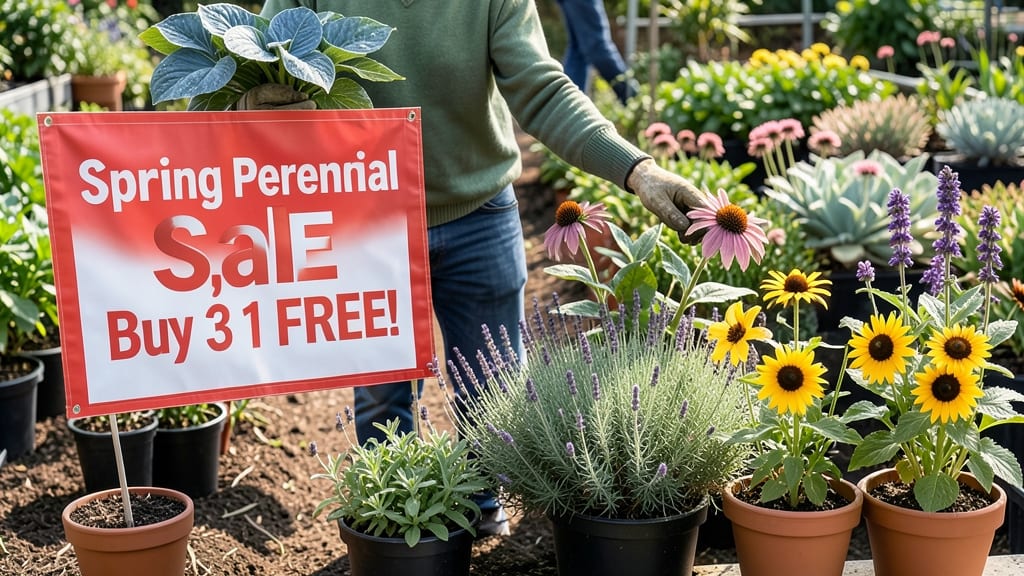
Perennial plants go on sale at their deepest discounts in late winter through early spring (February–April), starting with tender herbaceous varieties like hostas and daylilies, then shifting to hardier shrubs and ornamental grasses by late spring (May–June). Fall sales (September–October) often spotlight drought-resistant options and late-season bloomers such as asters and sedums.
Timing matters because nurseries strategically clear out inventory during these windows to make room for new stock. 🌱 In early spring, gardeners rush to plant before the growing season kicks off, creating urgency—and discounts—on hardy perennials.
Meanwhile, fall sales capitalize on post-summer clearance, offering bargain prices on plants that thrive in cooler months. Pro tip: Check your local frost dates, as some nurseries time sales around the last expected frost to ensure healthy planting conditions.
For the best deals, I recommend visiting nurseries in late February or early March for early bloomers like peonies, or late September for fall favorites such as Russian sage.
Big-box stores often mark down perennials in April–May as they transition to summer inventory, while specialty growers may offer limited-time promotions tied to seasonal plantings.
💡 In This Article
- Seasonal Perennial Sale Timing Explained
- Best Stores and Strategies for Snagging Perennial Deals
Seasonal perennial sale timing explained
Perennial sales follow strict seasonal patterns tied to plant biology and nursery logistics. Herbaceous perennials—those with non-woody stems like hostas and daylilies—enter dormancy in winter, allowing nurseries to clear out inventory at 20-40% off by late February.
These plants are typically dug up after their foliage dies back, making them easier to transport and discount before spring planting.
The timing aligns with when gardeners most need them: just before the last frost date in your zone, which for most regions falls between March 15 and April 15.
Woody perennials like shrubs and ornamental grasses follow a different cycle. Their root systems remain active longer, so nurseries don't discount them until late spring (May-June) when they're ready for landscape planting.
The delay also accounts for slower growth rates—these plants need time to establish before summer heat sets in. Regional climate plays a huge role here: Southern nurseries might start woody perennial sales in April, while Northern ones wait until June to avoid frost damage during transplanting.
Fall sales (September-October) serve a different purpose: they target plants that thrive in cooler months or need time to root before winter. Drought-tolerant varieties like lavender and sedums sell well because they're easier to establish before the first frost.
The science behind this is simple—plants have 6-8 weeks of growing season left in fall, giving them time to develop strong root systems before dormancy. Nurseries also use this window to clear out summer inventory, often marking down plants by 30-50% to make room for holiday stock.
Here's what most gardeners miss: the plant dormancy cycle directly impacts sale timing. Herbaceous perennials are dug up when their foliage dies back (typically late winter), while woody plants are pruned and propagated in early spring. This creates natural inventory turnover points that nurseries exploit for discounts.
For example, peonies—one of the most popular perennials—go on sale in late February because they're dug up after their first frost, making them available just as gardeners start planning spring beds.
Temperature also factors in. Nurseries avoid selling perennials when soil temperatures drop below 50°F, as cold ground can stunt root growth. This is why you'll rarely see sales in January: the ground is too cold for successful planting, and nurseries prefer to wait until temperatures stabilize.
The same logic applies to fall sales—most nurseries stop taking orders by mid-October in colder climates to prevent winter damage to newly planted perennials.
One pro tip: Pay attention to moisture levels when buying discounted perennials. Plants sold in late winter are often dehydrated from storage, while fall plants may need extra watering to establish roots before frost.
Always check the soil moisture before purchasing—fingers should come away with light dampness, not dryness. This small check can save you from buying plants that won't survive transplanting.