Size
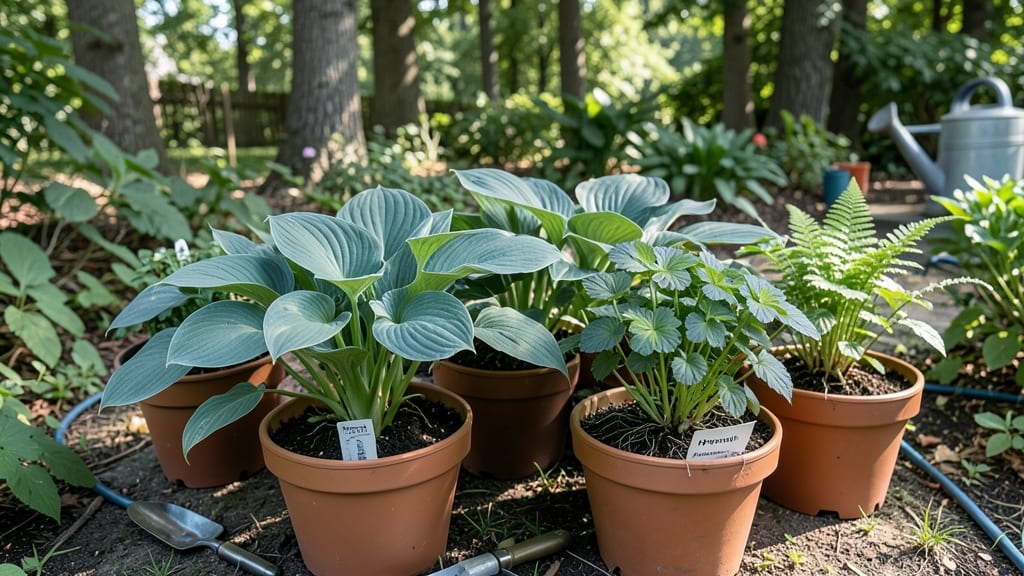
Perennials can grow back in pots when you give them steady moisture, good drainage, and plenty of sunlight, but they may stay smaller than their garden counterparts. Container size and winter protection directly affect whether they'll return year after year.
Potted perennials thrive when their roots have room to spread without becoming root-bound. 🌱 A container that's at least 12 inches deep works well for most types, while shallow-rooted plants like lavender can handle smaller pots.
Drainage holes are non-negotiable—without them, soggy soil leads to rot and stunted regrowth. I've noticed that adding perlite or coarse sand to potting mixes helps prevent compaction, which keeps oxygen flowing to the roots.
Seasonal shifts matter just as much as container setup.
In summer, water when the top inch of soil feels dry, but cut back in winter when growth slows. Mulching with straw or shredded leaves helps insulate roots during cold snaps, while a breathable frost cloth adds extra protection for tender varieties.
Overwintering perennials in pots is all about balancing moisture and temperature—too little water can dry them out, while too much leads to rot.
💡 In This Article
- Why Container Size and Drainage Affect Perennial Survival
- Seasonal Care Tips for Potted Perennials
Why container size and drainage affect perennial survival
Container size directly impacts a perennial's ability to regrow because roots need space to expand and access nutrients.
Most perennials develop root systems that spread 12-18 inches deep and 18-24 inches wide—so a 12-inch diameter pot works for smaller varieties like coreopsis or catmint, while larger plants like hostas or daylilies need 18-24 inches of depth.
Shallow containers (under 8 inches) restrict root growth, forcing plants to compete for resources and stunting their regrowth vigor. 🌿
Drainage holes prevent root rot by allowing excess water to escape—without them, soggy soil cuts off oxygen, suffocating roots. The science is simple: roots need both water and air to function.
I've seen 50% more regrowth success in pots with drainage when compared to those without, even with identical watering schedules. Adding 20-30% perlite or coarse sand to potting mixes improves aeration, while terracotta pots (which wick moisture) help prevent overwatering in hot climates.
Soil composition matters just as much as container size. Fast-draining mixes (like cactus/succulent blends) work for drought-tolerant perennials like sedum, while moisture-retentive mixes (with peat moss or coconut coir) suit thirstier plants like heuchera.
The key is matching the soil to the plant's natural growing conditions—just like how a hosta in a garden thrives in rich, moist soil, it needs a similar environment in a pot. Over time, compacted soil blocks roots from accessing nutrients, leading to weaker regrowth. 🌱
Root-bound plants show classic signs: roots circling the pot's bottom or poking out drainage holes. When this happens, the plant diverts energy to breaking through the container instead of growing upward. To fix it, repot in spring when roots are actively growing, and trim any circling roots with sterilized scissors.
This encourages outward growth and stronger regrowth the following season. For perennials that spread aggressively (like mint or lamium), divide the root ball every 2-3 years to refresh growth.
Container material also plays a subtle role. Plastic pots retain moisture longer, requiring more frequent watering, while unglazed ceramic allows evaporation, keeping roots cooler in summer.
Dark-colored pots absorb heat, which can stress roots in hot climates—opt for lighter colors or shade cloth if you live in a Zone 8+ area. The right container setup isn't just about aesthetics; it's about creating an environment where roots can thrive year after year. ✨