
Blooming
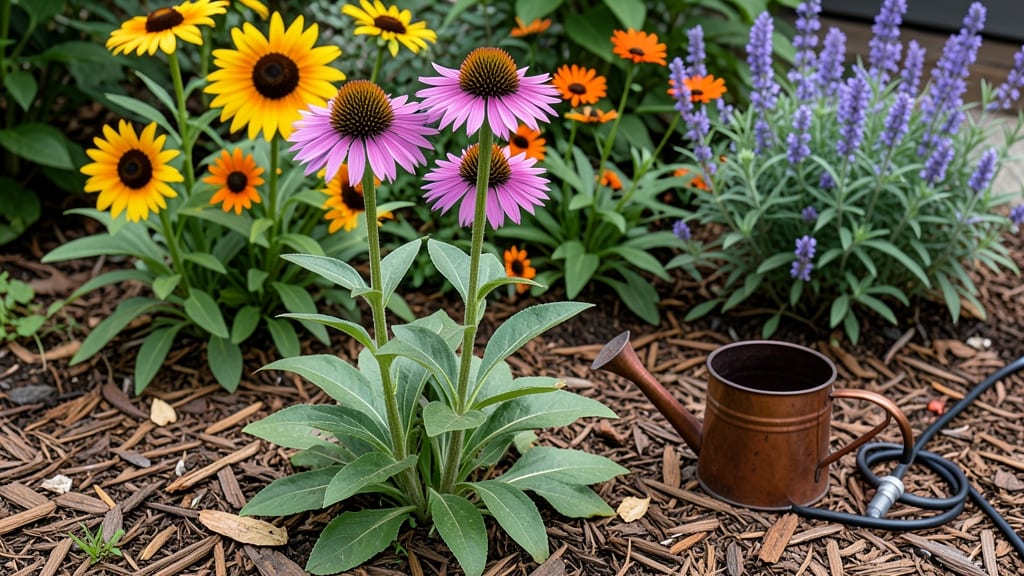
Zone 8 perennials that bloom all summer thrive with minimal care, featuring standout varieties like black-eyed Susan, coneflower, and butterfly bush that deliver vibrant color from early June through fall. Opt for heat-tolerant, drought-resistant types to ensure long-lasting beauty in hot climates.
These heat-loving plants are perfect for gardeners who want year-round color without constant upkeep. 🌸 The key to their success lies in their deep root systems, which help them access moisture during dry spells.
I’ve found that pairing these perennials with mulch can further extend their bloom time by retaining soil moisture and regulating temperature. For instance, Russian sage and salvia not only survive but thrive in Zone 8’s intense heat, often rewarding gardeners with extended flowering seasons well into autumn.
When planning your garden layout, consider both sunlight needs and spacing requirements.
Most of these perennials prefer full sun (at least 6-8 hours daily) but can tolerate partial shade in the afternoon. Coneflower, for example, blooms from mid-summer to frost and attracts pollinators, while bee balm offers a burst of color from June to September with minimal watering.
The secret to keeping them looking their best? Regular deadheading spent blooms to encourage new growth and prevent seed formation.
💡 In This Article
- How Heat and Sunlight Affect Summer-Blooming Perennials
- Best Low-Maintenance Summer-Blooming Perennials for Zone 8 Gardens
How heat and sunlight affect summer-blooming perennials
Zone 8's intense summers—with temperatures often exceeding 90°F and prolonged dry spells—create unique challenges for perennials. The key to their success lies in deep root systems that can reach 3-5 feet below the surface, accessing moisture stored from winter rains.
For example, black-eyed Susan develops roots that extend 4-6 feet deep, allowing it to survive droughts that would kill shallow-rooted annuals. This adaptation is crucial because surface moisture evaporates quickly in Zone 8's high heat and low humidity.
The science behind their heat tolerance involves specialized leaf structures too. Many top performers like salvia and coreopsis have thick, waxy leaf coatings that reduce water loss through transpiration. 🌡️ These plants also produce a sticky resin on their stems that reflects sunlight, preventing heat damage.
In contrast, plants with thin leaves (like some daylilies) often struggle in Zone 8's extreme conditions because they can't regulate heat as effectively. The result? Perennials with these adaptations continue blooming while others wilt by mid-summer.
Sunlight exposure plays a dual role—it fuels photosynthesis but also generates heat that can stress plants. Most summer-blooming perennials thrive with 6-8 hours of direct sun daily, but afternoon shade (especially in 95°F+ heat) can extend their bloom time.
For instance, coneflower blooms from July to October when given morning sun and afternoon shade, while butterfly bush can handle full sun all day but benefits from afternoon protection during heatwaves. The key is balancing light exposure with temperature management.
Water retention strategies make all the difference in Zone 8. Plants like Russian sage have fibrous root networks that spread horizontally, creating a sponge-like system to capture and store moisture. Others, such as bee balm, develop deep taproots that reach groundwater.
Mulching with 2-3 inches of organic material (like wood chips) helps retain soil moisture by reducing evaporation rates by up to 70%. This simple technique can mean the difference between a plant that blooms until frost and one that peters out by August.
Here's what happens when these mechanisms fail: Without deep roots or moisture retention, perennials enter survival mode, shedding leaves and halting blooms to conserve energy.
For example, shasta daisy may bloom for only 4-6 weeks in Zone 8 without proper care, while well-adapted varieties like coreopsis can flower for 10+ weeks with minimal watering. The difference comes down to these built-in drought resistance strategies.
Consider this comparison: A daylily (which lacks deep roots) may require weekly watering in Zone 8 summers, while a salvia (with specialized heat adaptations) might need watering only every 2-3 weeks. The trade-off?
Salvia's vibrant blooms last 2-3 months longer than daylilies in the same conditions. This is why selecting the right species for your climate isn't just about aesthetics—it's about survival science. 🌿