
Orchid Care
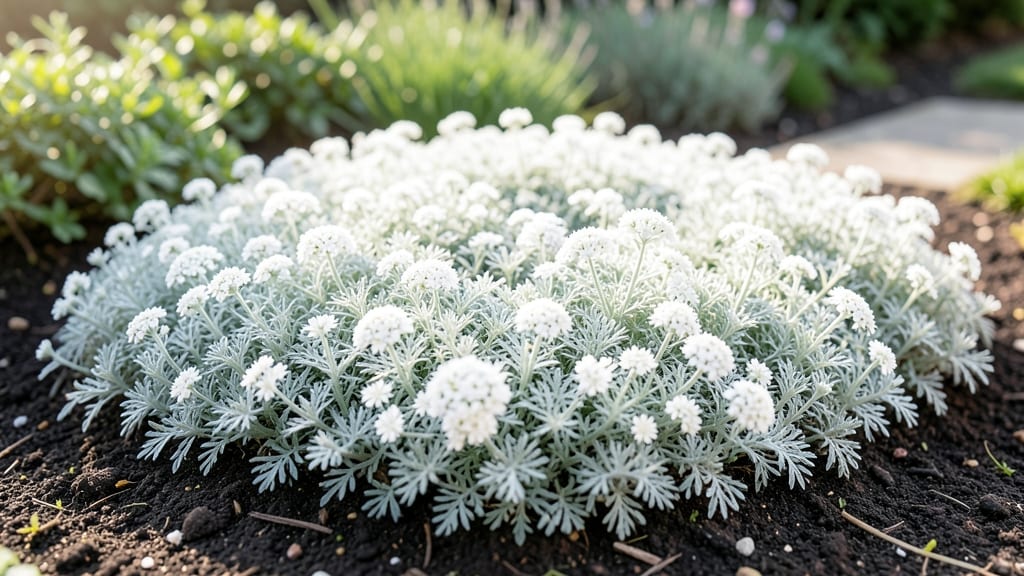
Alyssum 'Carpet of Snow' functions as an annual in most regions but often behaves like a perennial due to aggressive self-seeding, which can create dense ground cover over multiple seasons. Its seasonal cycle is dictated by heat sensitivity, with plants typically dying back after warm weather stress.
Alyssum 'Carpet of Snow' thrives as a cool-season plant, meaning it flourishes in spring and fall but struggles when temperatures rise above 75°F. 🌱 The key to its "perennial-like" behavior lies in its ability to scatter seeds prolifically, which allows new plants to emerge each season—almost like a self-sustaining cycle.
This makes it perfect for gardeners who want low-maintenance, snow-white ground cover without the commitment of true perennials.
What's fascinating is how this plant adapts: while individual plants may only live 1-2 years, the entire patch can persist for decades through self-seeding. The trade-off? You'll need to manage seed spread if you don't want it taking over your garden beds.
I've found that deadheading spent blooms early in the season actually reduces seed production, giving you more control over where new plants appear.
💡 In This Article
- Why Alyssum 'Carpet of Snow' Dies Back Annually
- Extending Alyssum's Lifespan Through Gardening Strategies
Why Alyssum 'Carpet of Snow' dies back annually
Alyssum 'Carpet of Snow' exhibits annual dieback primarily because it's a cool-season plant with a built-in heat sensitivity. When daytime temperatures consistently exceed 75°F, the plant's metabolic processes slow dramatically.
This happens because the plant's cellular respiration becomes inefficient in heat, causing energy reserves to deplete faster than they can be replenished through photosynthesis. The leaves begin to yellow and crisp at the edges—a clear sign of heat stress.
The botanical trigger for dormancy occurs when nighttime temperatures drop below 50°F after prolonged summer heat. This temperature shift signals the plant to conserve energy by shutting down growth processes. What's fascinating is how this process mirrors what happens in true perennials, but on a shorter timescale.
The key difference? Alyssum doesn't develop true woody stems or underground storage organs like perennial plants do—its entire energy goes into seed production when stressed.
Here's what's actually happening at the cellular level: Heat stress causes an increase in ethylene production, a plant hormone that accelerates aging processes. This hormone triggers the breakdown of chlorophyll and the mobilization of nutrients from leaves to developing seed pods.
The plant essentially "sacrifices" its foliage to ensure seed survival—a survival strategy that explains why you'll often see new seedlings appearing even after the parent plants have died back completely.
This seasonal cycle creates a fascinating paradox: while individual plants may only live 1-2 years, the species can persist for decades through self-seeding. The trade-off is that without intervention, Alyssum can become invasive in garden settings.
I've observed that in Zone 7 climates, plants typically die back completely by mid-summer but begin producing new seedlings by early fall—creating that perennial-like appearance without actually being a true perennial.
What most gardeners don't realize is how light requirements interact with this cycle. Alyssum 'Carpet of Snow' actually performs better in partial shade during summer months, which can help delay the heat-induced dieback.
The plant's native Mediterranean habitat has adapted to hot, dry summers with cool winters—this explains why it thrives in our spring and fall seasons but struggles when summer heat persists for months.
Consider these key factors that influence the dieback timing:
- Climate zone: In Zone 5, dieback occurs by June-July; in Zone 9, it may persist until August
- Microclimate: Coastal areas with cooler summers see later dieback than inland regions
- Soil moisture: Well-drained soils help prevent fungal issues that accelerate decline
The most critical takeaway is understanding that this annual dieback isn't a sign of poor health—it's a perfectly natural part of Alyssum's life cycle.
The plant is actually preparing for its next generation through seed production, which is why you'll often see new plants emerging even after the original planting has completely disappeared. 🌱