
Plants
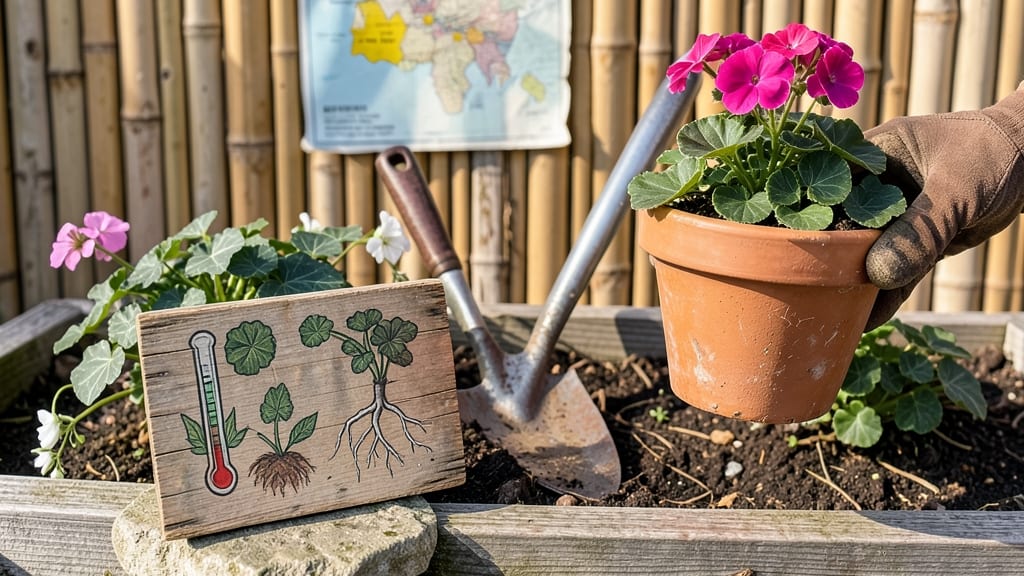
Geraniums are perennial plants in warm climates but often treated as annuals in colder regions due to frost sensitivity, though hardy varieties like Geranium macrorrhizum survive winter with proper care.
Whether geraniums thrive as perennials or annuals depends entirely on your climate. 🌱 In regions with mild winters (USDA zones 7 and above), these plants naturally return year after year, sending up fresh foliage from their roots each spring.
The key difference lies in hardiness—most common geraniums (Pelargonium species) won't tolerate freezing temperatures, which is why gardeners in colder zones replant them annually.
However, certain varieties like creeping charlie (Geranium macrorrhizum) have evolved to withstand frost down to 10°F, making them true perennials even in zone 5 with proper winter protection.
This distinction isn't just about labels—it affects how you care for them. Annual geraniums can be planted fresh each spring, while perennial types require winter strategies like digging up tubers or using thick mulch.
The confusion often stems from nurseries selling tender geraniums as annuals by default, even when hardier perennial options exist.
💡 In This Article
- Why Geraniums Die in Winter: Climate Zones and Cold Hardiness
- How to Overwinter Geraniums for Year-Round Growth
Why geraniums die in winter: climate zones and cold hardiness
Geraniums' winter survival hinges on their USDA hardiness zone ratings, which determine whether they'll die back or thrive. Most Pelargonium species (the common bedding geraniums) top out at zone 10—meaning they'll suffer frost damage below 30°F.
Their tender stems and leaves freeze solid, but the roots often die too if ground temperatures drop below 20°F for more than a few hours.
This is why gardeners in zones 5-8 typically treat them as annuals: the entire plant above ground blackens, and without protection, the roots fail to regenerate in spring.
The science behind this involves cellular damage from ice crystals forming in plant tissues. When water inside geranium cells freezes, it expands and ruptures cell walls—especially in non-hardy varieties.
Hardy geraniums like Geranium macrorrhizum (creeping charlie) have evolved antifreeze proteins that lower their cellular freezing point to -10°F, allowing their roots to survive winter dormancy. These plants enter a deep dormancy state, shedding foliage but keeping their rhizomes alive underground until temperatures rise in spring. 🌡️
Another critical factor is the plant's growth habit. Tender geraniums grow as herbaceous perennials in their native South Africa, where they experience dry winters but no frost. When transplanted to colder climates, their lack of cold acclimation becomes fatal.
Even mulching only helps if the mulch layer stays above 28°F—thicker layers (6+ inches) can prevent soil freeze-thaw cycles that heave roots out of the ground. This is why zone 7 gardeners might see geraniums survive one mild winter but fail the next during a hard freeze.
Not all geraniums are created equal when it comes to cold tolerance. The Geranium genus (true geraniums) includes species like G. sanguineum that thrive in zone 4 with proper care, while Pelargonium species (often called "geraniums" in gardening) rarely survive below zone 8.
This botanical distinction explains why nurseries sell "annual geraniums"—they're typically Pelargonium hybrids bred for vibrant blooms rather than cold resistance. The confusion persists because common names don't reflect these scientific differences.
What most people don't realize is how quickly frost damage occurs. Geranium leaves start showing ice crystals at 32°F, and stems become mushy within hours of exposure to 25°F.
The roots, however, can remain viable if protected, which is why digging up tender geraniums and overwintering them indoors becomes a viable strategy in colder climates. This practice exploits the plant's natural ability to regrow from its root crown when given the right conditions. 🌱
Understanding these mechanisms helps gardeners make informed choices. For example, planting Geranium macrorrhizum in zone 5 offers year-round ground cover, while Pelargonium varieties should be treated as annuals or overwintered.
The key is matching the plant's native climate adaptations to your local growing conditions—whether through zone-appropriate species selection or protective winter care techniques.