
Plants
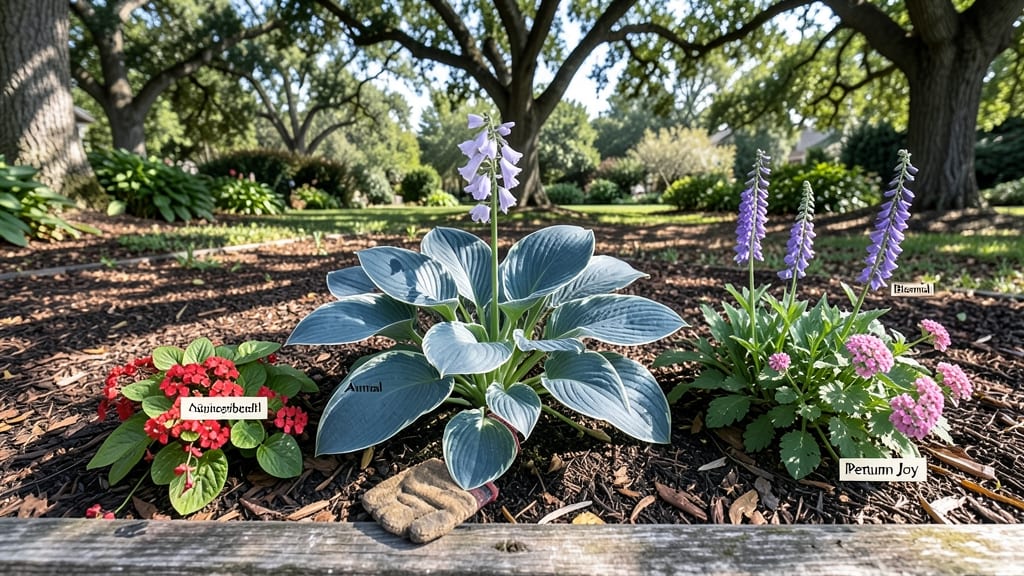
Annuals, biennials, and perennials differ in lifespan: annuals complete their life cycle in one growing season, biennials take two years to flower and set seed, while perennials regrow yearly from the same root system after winter dieback. Each type has distinct planting, care, and seasonal behavior patterns.
Understanding these plant lifespans helps you plan your garden like a pro. Annuals like marigolds or sunflowers give you instant color but require replanting each year, while biennials such as foxgloves store energy underground their first year to bloom spectacularly the next.
Perennials like coneflowers or hostas, however, build resilience through their roots, returning stronger every spring after winter dormancy. This difference affects everything from planting schedules to maintenance routines—so choosing the right mix can transform your garden's seasonal appeal.
For example, I often use annuals for quick summer impact in containers, while perennials form the backbone of my perennial borders, providing structure and reducing yearly replanting costs. Biennials are my secret weapon for late-summer blooms when other plants might be fading.
The key is matching each type to your climate zone and design goals—whether you want low-maintenance reliability or seasonal variety.
💡 In This Article
- How Plant Lifespans Affect Growth and Flowering Cycles
- Choosing the Right Plants for Your Garden’s Climate and Goals
How plant lifespans affect growth and flowering cycles
The lifespan of a plant isn't just about how long it lives—it's a carefully orchestrated biological process driven by genetics, environmental cues, and energy allocation. Annuals like zinnias or cosmos follow a rapid, one-season lifecycle because they've evolved to prioritize seed production before the first frost.
Their shallow root systems focus on quick growth and reproduction, often storing minimal reserves since they won't survive winter. 🌱 What's fascinating is how annuals trigger flowering through a process called photoperiodism, where decreasing daylight hours in late summer signal the plant to shift energy from leaves to flowers and seeds.
Biennials take a different approach by splitting their energy between growth and reproduction over two years. In their first year, plants like hollyhocks or parsley focus on building a robust root system and storing carbohydrates in their taproots—sometimes accumulating enough energy to sustain two years of growth.
The key trigger for flowering is often a combination of cold exposure (vernalization) followed by warm spring temperatures. For example, foxgloves need at least 6-8 weeks of cold temperatures to break dormancy and flower the following year.
This two-stage process explains why biennials often appear weak their first year but explode with dramatic blooms in their second.
Perennials represent the ultimate survival strategy, with root systems that can live for decades while the above-ground parts die back annually. Plants like peonies or lavender develop extensive root networks that store nutrients and water, allowing them to regrow each spring with minimal energy investment.
The trade-off is that their first year of growth is often slower as they establish these underground reserves.
What's remarkable is how perennials use a process called apical dominance to control their growth—keeping energy focused on root development until they're ready to flower, which often takes 2-3 years for woody perennials like shrubs.
Temperature plays a crucial role in these cycles. Most annuals thrive in warm climates where they can complete their lifecycle before frost, while biennials often originate from temperate regions with distinct seasons. Perennials, however, have developed adaptations like antifreeze proteins in their cells that protect them during winter dormancy.
For example, hostas can survive temperatures down to -20°F by converting their leaf starches into sugars that act as natural antifreeze. This biological flexibility explains why perennials dominate in colder climates where annuals would perish.
Light is another critical factor. Annuals typically require full sun (6+ hours daily) to complete their rapid growth cycle, while many perennials can thrive in partial shade, especially in hot climates. Biennials often need moderate light (4-6 hours) to balance their two-year growth pattern.
The science behind this involves phytochrome pigments in plant cells that detect light wavelengths, triggering different growth responses. For instance, shade-loving perennials like astilbes produce more chlorophyll to maximize light capture in low-light conditions.
What most gardeners don't realize is how these lifecycles influence flowering times. Annuals like petunias will flower continuously throughout their growing season because their entire purpose is seed production. Biennials like sweet William store energy to produce a spectacular but brief flowering display in their second year.
Perennials, however, often have staggered flowering periods—some like coneflowers bloom mid-summer, while others like hellebores flower in early spring before the leaves even emerge. This temporal diversity is what creates the layered interest in perennial gardens. 💫