
Plants
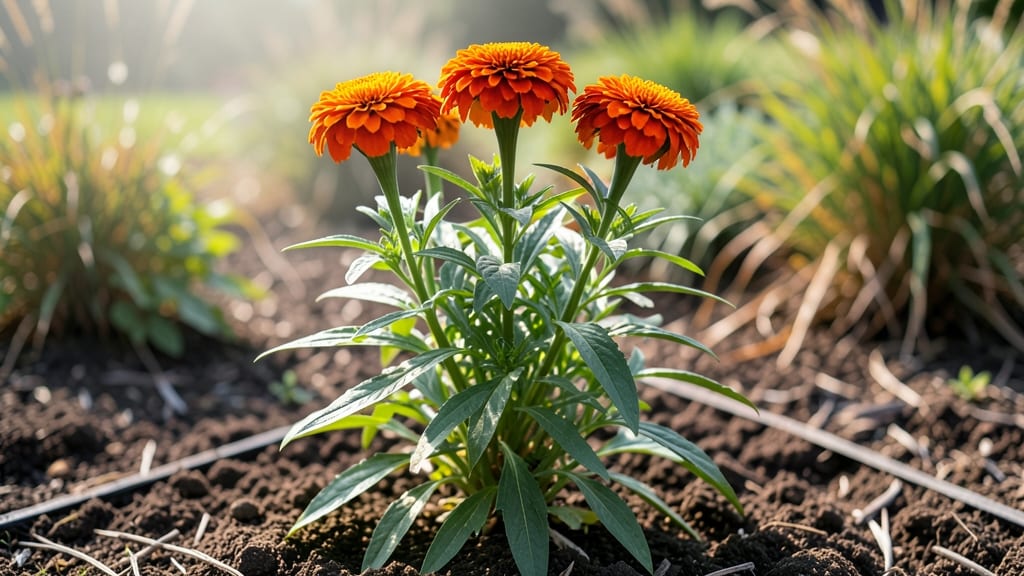
African marigolds aren't true perennials in most regions—they freeze back each winter but can regrow from their hardy root systems if protected, acting as tender perennials only in zones 9-11. Gardeners in colder areas typically treat them as annuals or carefully overwinter them indoors.
African marigolds originated in tropical Africa, so their sensitivity to frost explains their seasonal behavior. 🌱 While they may appear dead after frost, their roots often survive underground, ready to sprout when temperatures warm.
This makes them behave like perennials in frost-free zones but annuals elsewhere. French marigolds, by contrast, are more cold-hardy perennials in many climates.
What sets African marigolds apart is their vibrant color and pest-repelling properties, which many gardeners value despite their seasonal limitations. Their ability to regrow from roots means they can often return stronger than first-year plants if properly protected during winter.
💡 In This Article
- African Marigold Growth Cycle: Why They Die Back in Winter
- How to Overwinter African Marigolds in Cold Climates
African marigold growth cycle: why they die back in winter
The tropical origins of African marigolds (Tagetes erecta) explain their winter behavior. Native to regions like Ethiopia and Kenya where temperatures rarely drop below 50°F, these plants lack the cold tolerance of their French marigold cousins (Tagetes patula), which can survive 25-30°F in dormancy.
When frost hits 32°F or lower, the above-ground stems and leaves freeze and turn black, but the root system often remains viable below the frost line.
This dieback isn't permanent—it's a survival mechanism triggered by temperature drops. The roots contain stored starches that fuel regrowth when spring arrives. In zones 9-11, where winters rarely drop below 30°F, they behave as true perennials, returning year after year.
But in colder zones, the roots need protection to survive until warmth returns. 🌱 The key difference from French marigolds lies in their root structure: African varieties develop thicker, more robust tubers capable of storing more energy for regrowth.
What most gardeners notice is the dramatic transformation: one day the plant looks healthy, the next it's a crispy brown skeleton. This isn't death—it's dormancy. The roots remain active underground, continuing to respire (breathe) at reduced rates until temperatures rise.
In ideal conditions, they can remain dormant for months, with some roots even surviving 2-3 weeks of light frost if protected by mulch or snow cover.
Scientifically, this behavior stems from their C3 photosynthesis pathway, which is less cold-tolerant than C4 plants. When temperatures drop below 50°F, their metabolic processes slow dramatically, causing the above-ground growth to shut down. The roots, being closer to the soil's insulating warmth, maintain cellular integrity longer.
This is why you'll often see African marigolds regrowing from the same spot year after year—even if they look completely dead in winter.
Comparing to French marigolds helps clarify the differences. French varieties have finer roots and thinner stems that can survive 20°F with proper mulching, while African marigolds need more extreme protection.
Their larger size and thicker stems also mean they require more energy to regrow, which is why their roots store more starch—up to 30% more than French marigold roots by late fall.
Here's what to watch for: If your African marigold's roots are less than 1 inch thick when you dig them up, they may not survive winter without protection. Thicker roots (about 1.5-2 inches in diameter) indicate a plant with better overwintering potential.
The color of the roots also matters—healthy roots should be white or pale yellow, never dark or mushy.