
Plants
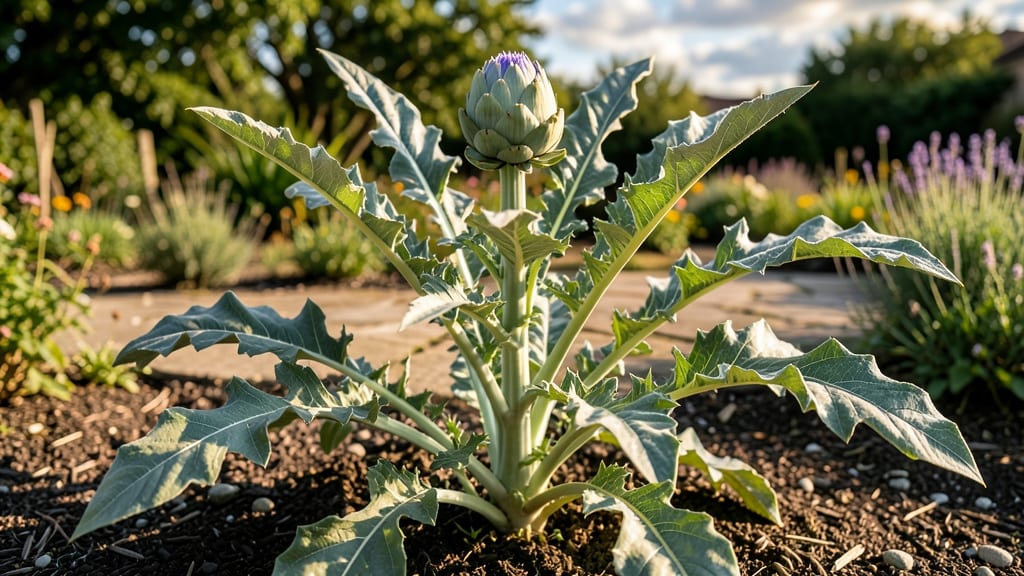
Artichoke plants act as perennials in warm climates, sending new growth from their persistent root systems each spring after winter dormancy. While cold snaps can damage above-ground foliage, their underground roots remain viable for multiple growing seasons with appropriate care.
This perennial behavior sets artichokes apart from true annuals—their thick, fibrous roots store energy and nutrients underground during dormancy. 🌱 When temperatures rise in spring, these roots trigger regrowth, often producing multiple harvestable buds per plant.
The key difference from annuals like corn lies in their root system's ability to regenerate year after year, provided winter conditions aren't extreme.
In practice, this means gardeners in suitable climates can enjoy artichoke harvests for 5-10 years from a single planting. The trade-off? These plants require well-draining soil and consistent moisture during active growth periods.
I've seen firsthand how artichokes in Zone 8+ can produce larger yields each subsequent year because their root systems expand annually.
💡 In This Article
- How Artichoke Plant Life Cycle Works as a Perennial
- Climate Zones Where Artichokes Thrive as Perennials
How artichoke plant life cycle works as a perennial
Artichoke plants operate as perennials through a specialized underground root system called a crown, which stores carbohydrates and nutrients during dormancy.
Unlike true annuals like corn that complete their entire life cycle in one season, artichokes develop a thick, woody root base that can persist for decades under ideal conditions. This crown contains dormant buds that remain viable even after the above-ground foliage dies back in winter.
The seasonal dieback occurs when temperatures drop below 30°F (-1°C), triggering the plant's survival mechanism. At this point, the leaves yellow and wilt as the plant redirects energy to its roots.
What's fascinating is how these roots can survive temperatures as low as 15°F (-9°C) for short durations, though prolonged exposure below 20°F (-6°C) may cause damage. The buds within the crown remain protected by a natural insulation layer of dead foliage and soil.
Spring regrowth begins when soil temperatures reach 55°F (13°C), signaling the dormant buds to break dormancy. You'll notice new shoots emerging from the ground within 2-4 weeks, often producing multiple stems from the same root system.
This polycormic growth (multiple shoots) is a hallmark of perennial artichokes, allowing them to produce 50-100 buds per plant during peak seasons - a stark contrast to annual varieties that produce just 1-3 buds before dying.
What makes this cycle particularly interesting is the plant's ability to self-regulate its energy storage. During active growth, artichokes convert 30-40% of their photosynthetic energy into root storage, creating a reserve that fuels next year's growth.
This biological efficiency explains why established artichoke plants often outperform younger ones, with yields increasing by 20-30% annually for the first 3-5 years before stabilizing.
For gardeners, understanding this cycle means timing harvests carefully. Removing too many buds can weaken the plant's ability to store energy for winter. I've found that leaving 10-15% of mature buds unharvested ensures the plant maintains its vigor.
The trade-off? You might sacrifice some immediate yield for long-term productivity, but the payoff comes in subsequent seasons when the plant rewards you with larger, more abundant harvests.
This perennial behavior also explains why artichokes often spread through their garden. The crown can produce new shoots 12-18 inches away from the parent plant each season, creating natural colonies.
In my experience working with Mediterranean varieties, this spread can create dense artichoke thickets within 3-4 years if not contained - a testament to their persistent root systems!