
Plants
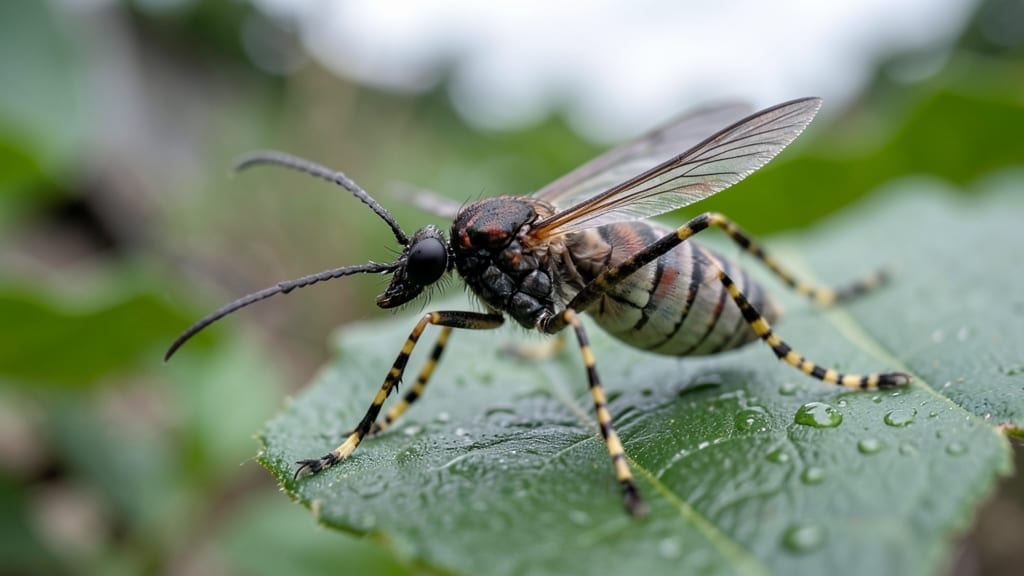
Mosquito plants (Culcita hyalina) aren't true perennials in most regions—they go dormant each winter but regrow from underground rhizomes in warm climates (USDA zones 10–11). In colder areas, they'll need extra care to survive beyond one growing season.
Mosquito plants might look like they've died back completely in winter, but their survival strategy is all about those sneaky underground rhizomes. 🌱 Unlike true perennials that keep foliage through winter, these tropical-looking plants store energy underground, then burst back to life when temperatures rise.
In colder zones, gardeners often treat them as annuals unless they take steps to protect them over winter.
What makes this interesting is how their growth habit differs from classic perennials. While plants like hostas or daylilies maintain some above-ground structure through winter, mosquito plants go completely dormant. This means they need warmer conditions to regenerate each spring naturally.
💡 In This Article
- Why Mosquito Plants Die Back and How They Regrow
- Overwintering Mosquito Plants in Cold Climates
Why mosquito plants die back and how they regrow
Mosquito plants rely on a specialized underground network called rhizomes to survive seasonal dieback. These thick, fleshy stems store carbohydrates and moisture during dormancy, similar to how sweet potatoes function.
When temperatures drop below 50°F for extended periods, the above-ground foliage yellows and collapses—this isn't death, but a survival mechanism triggered by shorter daylight hours and cooler soil temperatures. The rhizomes remain viable underground, waiting for warmer conditions to restart growth.
The regrowth process begins when soil temperatures reach 60°F and consistent daylight exceeds 12 hours daily. You'll notice new shoots emerging from the soil surface, often within 2-3 weeks of these conditions being met.
This contrasts sharply with true perennials like hostas, which maintain some above-ground structure through winter. Mosquito plants' complete dormancy makes them more vulnerable to cold snaps, as their energy reserves are entirely below ground.
What makes this growth habit fascinating is the plant's tropical origins (native to Southeast Asia). In their native USDA zones 10-11, they experience minimal temperature drops, allowing continuous rhizome activity. The 10-15°F chill threshold for rhizome damage explains why northern gardeners face annual replanting challenges.
The rhizomes can remain dormant for months but lose viability if exposed to freezing temperatures for more than 24 hours.
Here's what's actually happening biologically: The plant's apical meristems (growth points) become dormant when exposed to vernalization cues (cold periods). These meristems remain protected in the rhizome cortex while the plant allocates resources to root maintenance.
When spring conditions trigger, the meristems reactivate through a process called thermomorphogenesis, where heat-sensitive proteins signal new shoot formation.
For gardeners, this means timing matters when transplanting. If you divide mosquito plants in late summer, the new rhizomes need 6-8 weeks to establish before winter. The key difference from true perennials is their complete reliance on underground storage—no above-ground structure survives, making them more delicate in marginal climates. 🌱
Consider this comparison: While hostas might lose leaves but keep crowns alive through winter, mosquito plants go completely dormant. Their survival depends entirely on protecting those rhizomes, which is why container growing works so well in cold areas—the pots can be moved to protected locations before frost.