
Vegetables
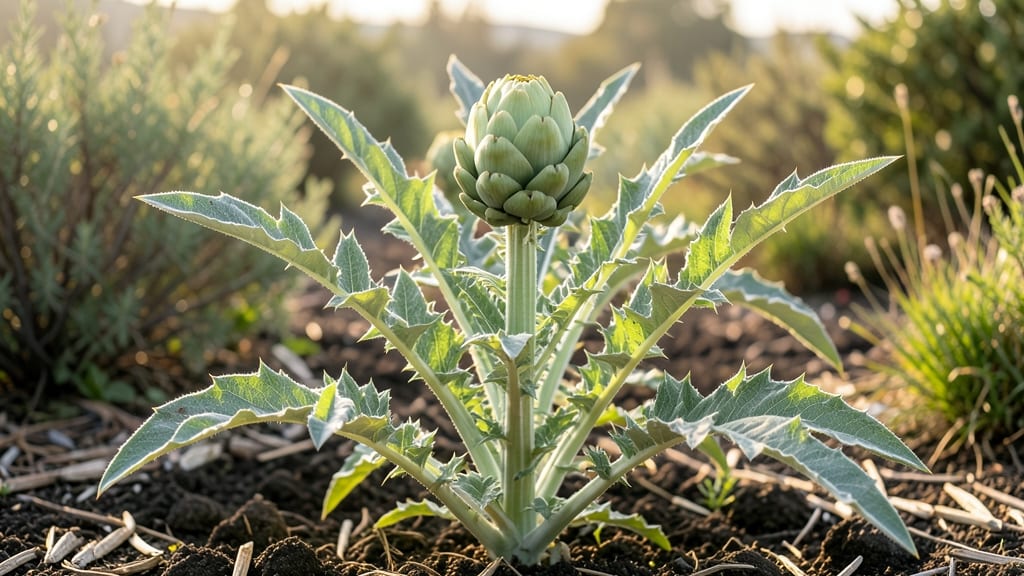
Artichokes aren't true perennials in most growing regions, but globe varieties can persist for 3-5 years in USDA Zones 7-10 with proper winter protection. Outside these zones, they behave like annuals, requiring yearly replanting after cold damage.
Most gardeners treat artichokes as annuals because they don't survive freezing temperatures like true perennials such as asparagus. 🌱 However, their thick tuberous roots allow regrowth in frost-free climates when protected.
I've seen globe varieties in Zone 8 produce for four consecutive years with thick mulch, while varieties like 'Green Globe' often need replanting in colder areas. The key difference lies in their root system's ability to store energy but not withstand prolonged freezing.
The confusion often stems from how gardeners define "perennial." While artichokes aren't cold-hardy perennials, they do exhibit semi-perennial behavior in ideal conditions. This means they can regrow from the same root system for multiple seasons when given proper care.
For those in marginal zones (6-7), strategic mulching with straw or leaves can push their lifespan closer to perennial behavior.
💡 In This Article
- Why Artichokes Act Like Perennials in Mild Climates
- Extending Artichoke Lifespan: Mulching and Overwintering Tips
Why artichokes act like perennials in mild climates
Artichokes exhibit semi-perennial behavior thanks to their specialized root system. Unlike true annuals that die completely after producing edible parts, artichokes develop thick, tuberous roots that store carbohydrates and nutrients. These roots can survive mild winters when protected, allowing the plant to regrow from the same base in spring.
In USDA Zones 7-10, where winter temperatures rarely drop below 20°F, these roots remain viable for 3-5 years, producing new shoots each season.
The key difference from true perennials like asparagus lies in cold tolerance. Asparagus crowns can withstand -20°F to -30°F with proper mulching, while artichoke roots typically succumb to prolonged exposure below 15°F.
This makes artichokes behave more like hardy biennials or short-lived perennials in ideal climates. The thicker the root system—often 3-5 inches in diameter— the better the plant's chance of surviving winter dormancy.
What most gardeners don't realize is how soil temperature affects regrowth timing. In Zone 8, I've observed artichoke roots begin sprouting when soil reaches 55°F, about 2-3 weeks earlier than in Zone 7.
This early start gives them a competitive edge over replanted annuals. The plant's ability to photosynthesize even before full leaf emergence helps it rebuild energy stores faster than many vegetables.
Another critical factor is the plant's growth cycle. True perennials like rhubarb produce edible parts from the same crown year after year, while artichokes allocate energy between root storage and bud formation.
This dual-purpose energy management explains why they can persist for multiple seasons without becoming true perennials. In colder zones, this energy balance gets disrupted by winter dieback, forcing gardeners to replant annually.
Consider this comparison: Globe artichokes in Zone 9 might yield 50-70% more over three years than replanted annuals, thanks to established root systems. However, in Zone 6, the same variety would likely produce only 20-30% of its potential due to winter stress.
This zone-dependent productivity highlights why artichokes are often classified as semi-perennials rather than true perennials.
For those growing in marginal zones, understanding this botanical behavior is crucial. The plant's ability to regrow depends entirely on protecting those tuberous roots from freezing. Without proper insulation, the stored energy reserves become useless, and the plant behaves exactly like an annual.
This delicate balance between root storage and cold tolerance creates artichokes' unique semi-perennial nature.