
Flowers
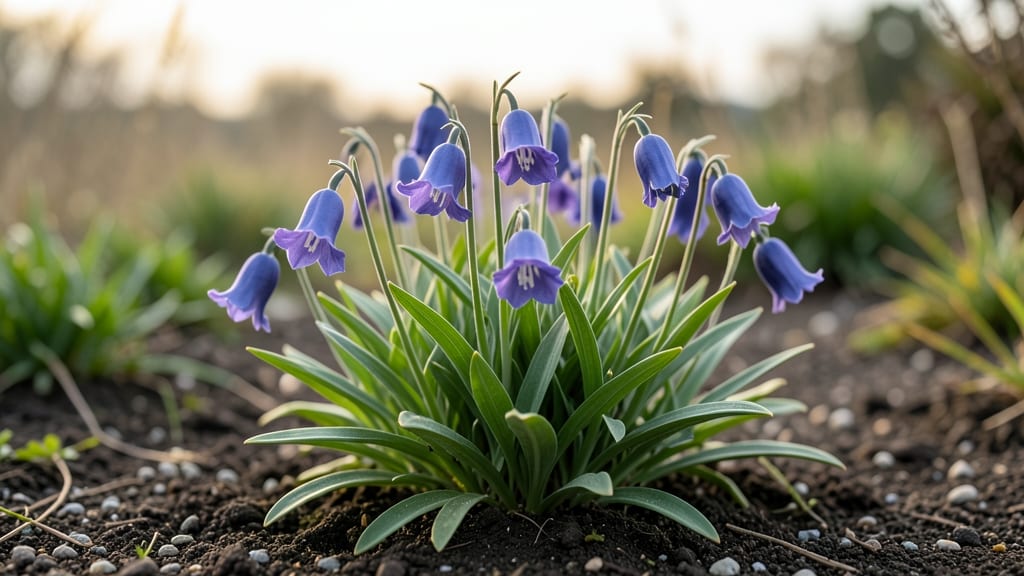
Canterbury bells aren't true perennials but act as hardy biennials or short-lived perennials in USDA zones 3-8, returning each spring from their dormant roots after winter dieback. Different varieties show varying cold tolerance levels.
These flowers follow a two-year lifecycle where they bloom spectacularly in their second year before dying back to the ground. 🌸 Unlike true perennials that persist year-round, Canterbury bells rely on their robust root systems to regenerate annually.
The key to their survival lies in protecting those roots during winter—mulching heavily and choosing sheltered planting spots can make all the difference in colder climates.
What sets them apart from classic perennials is their dramatic seasonal transformation: vibrant summer blooms give way to complete winter dormancy, only to re-emerge with fresh foliage come spring. This pattern makes them perfect for gardeners who love seasonal variety without the commitment of true perennials.
💡 In This Article
- Understanding Canterbury Bells' Dieback and Regrowth Cycle
- Extending Canterbury Bells' Lifespan in Your Garden
Understanding Canterbury bells' dieback and regrowth cycle
Canterbury bells (Campanula medium) aren't classified as true perennials because their lifecycle follows a biennial pattern in many cases. This means they typically complete their full growth cycle in two years: producing leaves in the first year, then blooming spectacularly in their second year before dying back.
However, some cultivars behave more like short-lived perennials, reblooming for 3-5 years before fading. The key difference from true perennials like foxgloves lies in their root system - Canterbury bells develop a fibrous root network that stores energy for regrowth rather than a deep, persistent rhizome.
Their winter survival depends on this root system staying alive through dormancy. When temperatures drop below 20°F, the above-ground foliage dies back completely, but the roots remain dormant until soil temperatures rise above 40°F in spring. This triggers new shoots to emerge from the crown.
Unlike true perennials that maintain foliage year-round, Canterbury bells undergo complete winter dieback, making them more vulnerable to freeze-thaw cycles that can damage their roots. 🌱 In colder zones (like USDA 3-4), varieties like 'Alba' demonstrate exceptional hardiness by surviving winters with minimal protection.
What makes their regrowth fascinating is the hormonal response to temperature changes. As soil warms, the roots produce auxin hormones that signal the crown buds to break dormancy. This process typically begins when daytime temperatures consistently reach 50°F for several days.
The new shoots emerge with a distinctive rosette pattern before elongating into flowering stems. Compared to true perennials like delphiniums that maintain some foliage through winter, Canterbury bells exhibit a more dramatic seasonal transformation - their complete dieback creates a striking garden renewal each spring.
The biennial nature explains why they often perform better in cooler climates than in hot southern regions. In USDA zones 9-10, they may struggle to complete their lifecycle due to insufficient winter chilling hours (requiring 300-500 hours below 45°F
This is why they're most commonly grown as annuals in warmer areas. The trade-off is their spectacular second-year blooms - when they do flower, they produce 3-4 foot tall spikes adorned with 1-2 inch bell-shaped flowers in vibrant colors from white to deep purple. Comparing them to true perennials reveals another key difference: their reproductive strategy. True perennials focus on vegetative growth year-round, while Canterbury bells allocate all their energy to seed production in their second year. This explains why they often decline after flowering - they've completed their primary reproductive goal. Some gardeners extend their lifespan by deadheading spent blooms, which can encourage a second, smaller flush of flowers in the same season. 🌸 For gardeners in marginal climates, understanding this cycle is crucial. The root system's depth typically reaches 12-18 inches, which helps them access moisture during dry spells. However, this also means they're sensitive to soil compaction - their roots need well-draining soil with organic matter to thrive. Mulching with 2-3 inches of straw or leaves in fall helps insulate the crown through winter, while spring mulching conserves moisture for new growth.