
Flowers
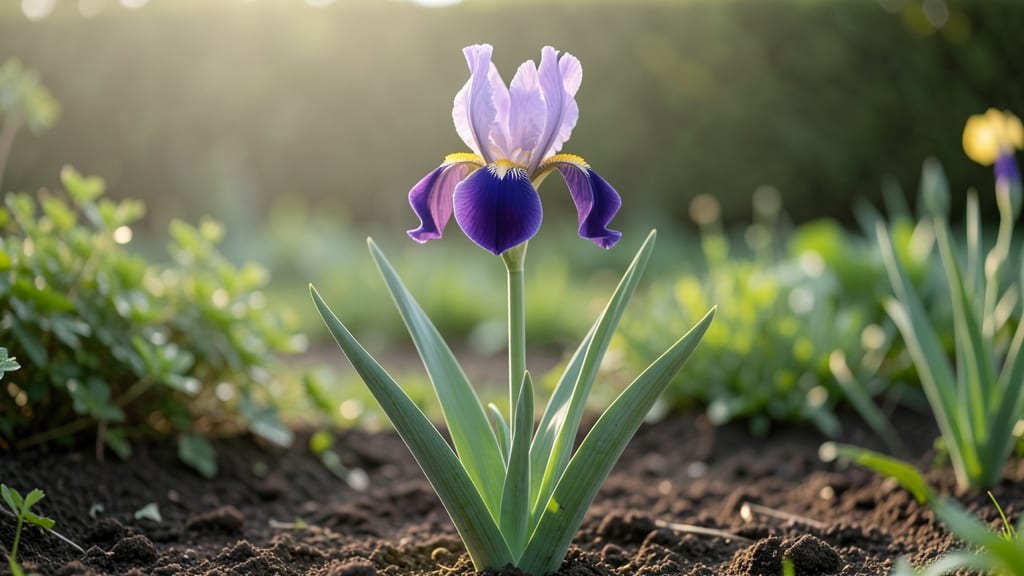
Dutch iris aren't true perennials in most climates, since their underground stems (rhizomes) go dormant each winter but bounce back from seed the following spring. Their fast-growing nature lets them function as annuals or short-lived perennials, though you'll need to refresh them every few years for peak blooms.
Here's why this lifecycle works: Dutch iris store energy in their rhizomes during the growing season, then retreat underground when temperatures drop. 🌱 Unlike hardy perennials like bearded iris that survive winter intact, these bulbs essentially "reset" annually.
The good news? Their seeds germinate quickly in spring, often producing new plants within weeks—giving you fresh blooms year after year with minimal effort. Many gardeners treat them like annuals, replanting fresh bulbs each fall for continuous color.
For best results, plant Dutch iris in well-draining soil with full sun exposure. Their shallow rhizomes prefer to sit just below the surface, so avoid burying them too deep.
With proper care, you can extend their lifespan beyond typical annuals—some gardeners report getting 3-4 years of blooms before replanting becomes necessary.
💡 In This Article
- Why Dutch Iris Die Back and Regrow Each Year
- How to Grow Dutch Iris as Annuals or Short-Lived Perennials
Why Dutch iris die back and regrow each year
Dutch iris rely on a unique survival strategy where their rhizomes—the thick, horizontal underground stems—enter a state of dormancy during winter. Unlike hardy perennials like bearded iris, which store energy in thick rhizomes that survive freezing temperatures, Dutch iris rhizomes are more sensitive to cold.
When temperatures drop below 20°F, their cells begin to break down, causing the rhizomes to shrivel and die back completely. 🌱 This dieback is a natural adaptation to their native Mediterranean climate, where winters are mild but summers are hot and dry.
The key to their resilience lies in their rapid seed germination. Dutch iris produce thousands of tiny, wind-dispersed seeds that can lie dormant in the soil for years until conditions are right.
When spring arrives and temperatures rise above 50°F, these seeds germinate within 2-4 weeks, often before the first blooms appear. This quick regeneration cycle allows Dutch iris to appear as if they're rebounding from winter, even though they're technically starting fresh each year.
In contrast, bearded iris develop thick, fleshy rhizomes that store enough energy to regrow year after year without relying on seeds.
This seed-based regeneration also explains why Dutch iris often appear in dense clusters. Each mature plant can produce 500-1,000 seeds, many of which sprout nearby, creating naturalized drifts.
The trade-off is that without human intervention, these plants gradually decline in vigor after 2-3 years as the original rhizomes weaken and new seedlings compete for resources. This is why gardeners often treat them as annuals or short-lived perennials—replanting fresh bulbs every few seasons ensures consistent, vibrant blooms.
Another fascinating aspect is their response to light and temperature. Dutch iris require 6-8 hours of direct sunlight daily to trigger flowering, but their rhizomes are shallow-rooted and prefer well-draining soil.
When planted too deeply (more than 2 inches below soil level), they struggle to access sunlight and may fail to regrow properly.
This shallow planting habit also makes them more vulnerable to frost heave in cold climates, where freezing and thawing cycles can push rhizomes too close to the surface or even expose them.
For gardeners in colder regions, this lifecycle presents both challenges and opportunities. The challenge is that Dutch iris won't survive harsh winters in zones colder than USDA Zone 7 without protection. The opportunity? Their annual-like behavior means you can experiment with different varieties each year, creating ever-changing displays.
Many gardeners in Zone 6 or colder plant Dutch iris in containers and bring them indoors before the first frost, then replant them in spring—a strategy that effectively turns them into true annuals while preserving their vibrant color palette.
Consider this comparison: While bearded iris might live for decades with minimal care, Dutch iris offer a "reset button" each year. Their ability to regenerate from seed means they're less prone to pests and diseases that accumulate in older perennial rhizomes.
This makes them an excellent choice for gardeners who want low-maintenance, high-impact color without the long-term commitment of traditional perennials. 🌸