
Flowers
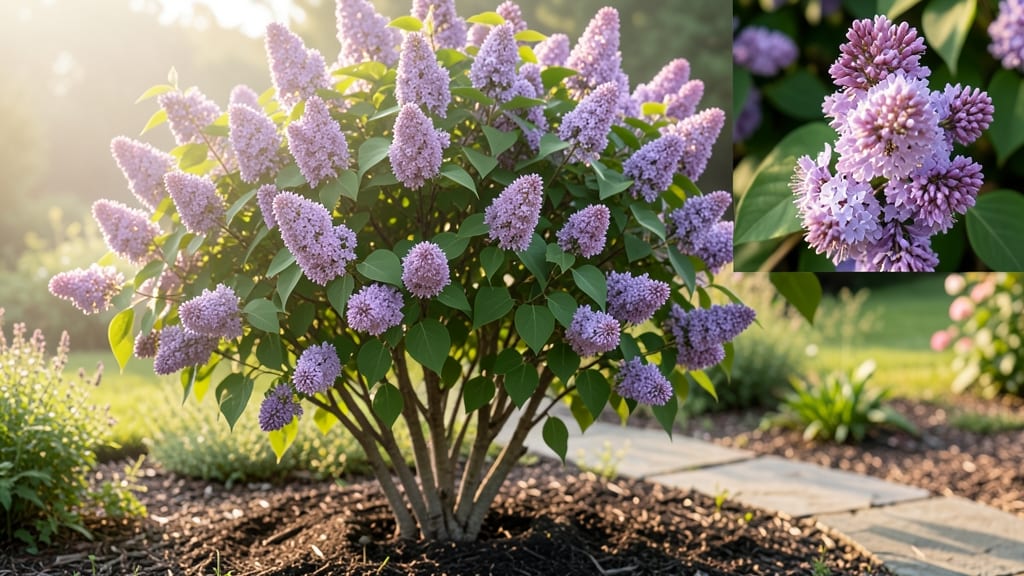
Lilacs are indeed perennials, meaning they regrow each year from their hardy root systems, producing fragrant blooms annually in spring after winter dormancy. With the right care, these classic garden shrubs can thrive for decades.
This perennial behavior comes from lilacs' deep root systems that store energy through winter, allowing them to push out new growth when temperatures rise. 🌸 The key to their longevity lies in their ability to withstand cold—most varieties handle USDA zones 3-7—while still producing vibrant flowers year after year.
Unlike annuals that complete their life cycle in one season, lilacs build resilience through repeated blooming cycles.
Their hardiness makes them perfect for gardeners who want low-maintenance yet high-impact plants. A well-timed pruning after flowering (typically in late summer) encourages stronger stems and more abundant blooms next season.
I've seen mature lilac bushes in my own garden that were planted by my grandparents over 50 years ago—proof of their incredible staying power when given proper care.
💡 In This Article
- How Lilac Perennial Growth Works
- Best Practices for Long-Term Lilac Care
How lilac perennial growth works
Lilacs thrive as perennials thanks to their specialized root systems, which function like nature's energy storage units. These shrubs develop a robust network of roots that extend deep into the soil—typically reaching 3-5 feet below ground—while also spreading horizontally.
This dual structure allows them to access both deep moisture and surface nutrients, creating a self-sustaining system that keeps them alive through harsh winters. 🌱 The roots contain specialized cells called parenchyma that store starches and sugars, essentially serving as the plant's winter food reserves.
The magic happens during dormancy, when lilacs enter a state of suspended growth in response to cooler temperatures and shorter daylight hours. Most varieties can handle USDA hardiness zones 3-7, meaning they survive winters as cold as -30°F to -40°F without permanent damage.
This cold hardiness triggers a biological process where the plant's metabolic rate slows dramatically, preserving energy while preventing tissue damage from freezing. When spring arrives, those stored nutrients fuel rapid regrowth, with new shoots emerging from the root crown within weeks of consistent temperatures above 40°F.
What sets lilacs apart from other perennials is their flowering mechanism, which relies on a combination of environmental cues and internal clocks. The buds form during the previous growing season but remain dormant until exposed to 50-60 days of chilling temperatures (below 45°F).
This requirement ensures they bloom in spring rather than fall, creating the iconic seasonal display gardeners love. The flowers themselves develop on old wood—meaning the stems that produced blooms last year will flower again this year—while new growth focuses on building next season's framework.
This perennial behavior also involves a fascinating hormonal balance. As temperatures drop, the plant increases production of abscisic acid, a hormone that signals dormancy. Meanwhile, it reduces growth hormones like gibberellins, which would otherwise promote active growth.
This hormonal shift explains why lilacs often appear "dead" in winter—they're not! They're simply conserving energy until conditions improve. When spring arrives, the reverse happens: gibberellins surge, triggering leaf and flower development from those energy reserves. 🌿
The root system's structure also plays a crucial role in their longevity. Unlike annuals that rely on a single growing season, lilacs develop a woody stem base that thickens each year, providing structural support and additional storage capacity.
This woody tissue contains specialized cells that can regenerate even after significant damage, allowing mature plants to recover from pruning or environmental stress. This resilience is why well-established lilacs can live for 50-100 years with proper care.
Consider this comparison: While annuals like marigolds complete their entire life cycle in one season, lilacs operate like marathon runners. Their deep root systems act like long-term investments, continuously building reserves that pay dividends year after year.
This biological efficiency is what makes them such reliable garden performers—once established, they require minimal intervention to thrive. The key to their success lies in this perfect storm of root development, hormonal regulation, and cold adaptation. 💫