
Plants
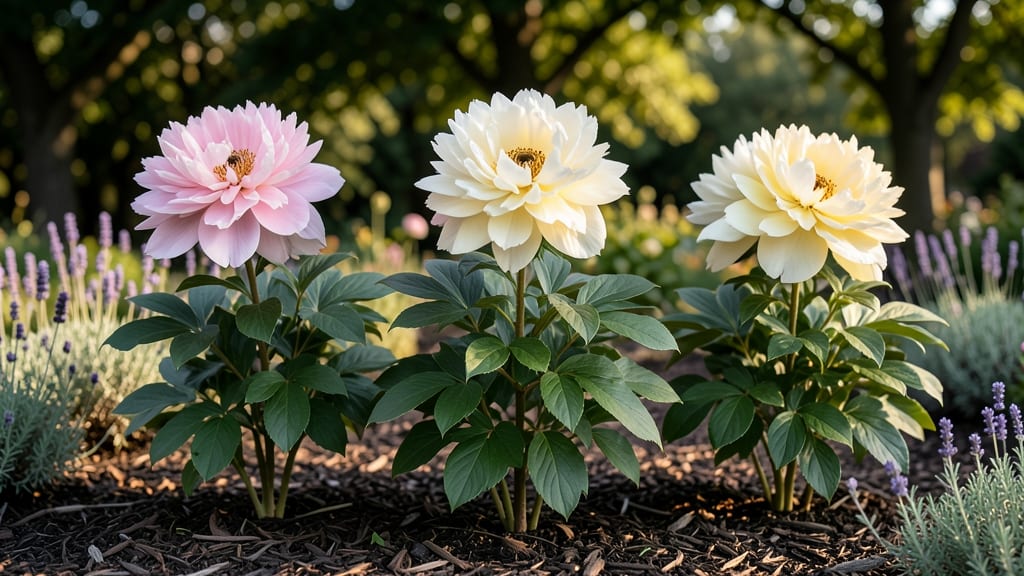
Mom’s perennials are alive even when they look dead—dieback during winter is normal dormancy, but severe cases may reveal zone mismatches or poor soil health that need attention.
When your mom’s garden looks like a winter wasteland, don’t panic—most perennials are just conserving energy. 🌱 The key is understanding their cold hardiness zones: plants like hostas and daylilies survive freezing temps, while tropical varieties (like cannas) won’t. Even healthy roots can regenerate when spring warmth returns, but if foliage stays brown past early spring, it’s time to check soil moisture and nutrient levels.
I’ve seen overwatering in winter kill more perennials than cold itself—always let soil dry slightly between waterings.
What separates temporary dormancy from permanent damage? Look at the crown (where stems meet roots)—if it’s firm and green beneath the dead foliage, the plant’s alive. Severe dieback often means the plant’s pushing its zone limits (like growing a Zone 5 peony in Zone 7’s heat).
In that case, mulching with 3-4 inches of organic matter can help, or it might be time to swap out struggling varieties for hardier ones suited to your climate.
💡 In This Article
- Why Mom’s Perennials Die Back in Winter
- Reviving Mom’s Perennials After Dieback
Why mom’s perennials die back in winter
Perennial plants enter a survival mode called dormancy when temperatures drop, slowing metabolic processes to conserve energy. This isn't death—it's a biological adaptation where growth stops at around 40°F, and the plant redirects resources to root systems.
For example, hostas can survive -25°F winters because their roots store starches that fuel regrowth when spring arrives. The brown foliage you see is simply dried tissue that protects the living crown beneath.
The science behind this involves abscisic acid, a plant hormone that triggers dormancy in response to shorter daylight and cooler temps.
This hormone helps plants close stomata (pores) to prevent water loss, which is why overwatering in winter can be deadly—wet roots can't insulate properly against freezing. 🌡️ Some perennials like coneflowers have fibrous root systems that spread horizontally, allowing them to access moisture even in frozen soil, while others like peonies develop thick, woody roots that act like natural insulation.
Cold hardiness zones (1-11) determine which perennials can survive your winter. A Zone 5 plant might thrive in Minnesota but struggle in Georgia's Zone 8 winters, where mild temps prevent proper dormancy.
The USDA Plant Hardiness Zone Map uses average annual minimum temperatures to classify regions—just because a plant survived last winter doesn't mean it's perfectly suited to your microclimate.
For instance, while daylilies handle Zone 3's -40°F, they may produce fewer blooms if winter temps stay above 20°F for too long.
Soil type plays a critical role too. Sandy soils drain quickly but don't retain heat, while clay holds moisture that can freeze and damage roots. The ideal winter soil should be 60% moisture-saturated but not soggy—think of a wrung-out sponge.
Mulch acts like a blanket, maintaining soil temps 5-10°F warmer than air temps. Without it, roots can freeze even when air temps are above freezing. I've seen 3-4 inches of straw mulch make the difference between survival and loss for marginal-zone perennials.
Not all dieback is equal—some plants intentionally shed foliage to conserve energy, while others suffer from winter burn (brown, crispy leaves from cold drying winds). The key difference? Healthy dormancy leaves the crown firm and green, while winter burn often reveals mushy or hollow stems.
Pay attention to these details when assessing your garden in late winter, as they'll guide your revival efforts. Even the hardiest perennials need proper care to bounce back strong in spring.
What most gardeners don't realize is that late winter dieback (February-March) often signals more than just dormancy—it can indicate crown heave, where freezing/thawing cycles lift roots out of soil, exposing them to drying winds. This is particularly common with bulbous perennials like iris or daylilies.
The solution? Gently firm soil around the crown and add a 2-inch layer of mulch before the next freeze cycle. This small adjustment can mean the difference between recovery and replacement.