
Flowers
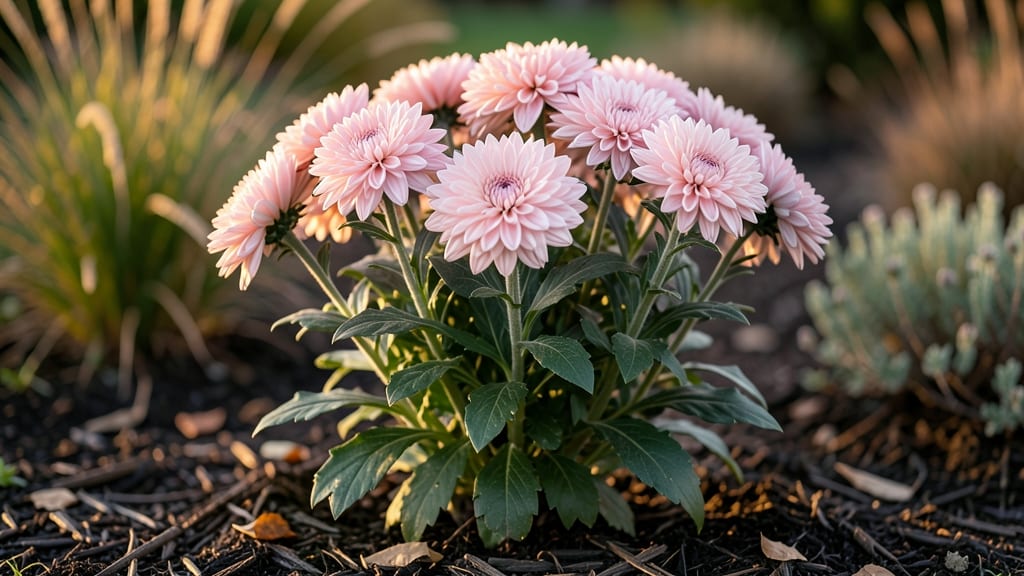
Pelee mums are not true perennials in most regions—they go dormant each winter, sending their foliage to the ground but relying on hardy root systems to regrow when temperatures rise. In colder areas (USDA Zones 5 and below), they often fail to return, behaving more like short-lived perennials or even annuals. The right winter care can make all the difference in their survival.
Pelee mums behave differently from traditional perennials because their roots and crowns are only moderately frost-tolerant. 🌱 When nighttime temperatures drop below 20°F, the plant's dormant state can't always protect its underground structures, especially in northern climates.
What sets them apart is their hybrid nature—they're bred for vibrant color and extended blooming, not necessarily for harsh winters. Even in milder zones (6-10), they need protection from early frosts to ensure they'll bounce back next spring.
This explains why gardeners in colder regions often treat them as annuals or tender perennials, replanting fresh tubers each year. The good news? With proper insulation—like thick mulch or container wrapping—you can push their hardiness limits.
I've seen them survive winters in Zone 6 with 6+ inches of straw mulch and frost blankets, though results vary by variety and microclimate.
💡 In This Article
- Why Pelee Mums Die Back and How Cold Affects Their Survival
- Tips to Overwinter Pelee Mums in Cold Climates
Why Pelee mums die back and how cold affects their survival
Pelee mums enter a state of dormancy each fall, where their above-ground growth dies back to conserve energy. Unlike true perennials, their roots and crowns are only partially frost-hardy, typically surviving down to 15-20°F without damage.
The key difference lies in their hybrid genetics—bred for vibrant blooms and long vase life, not winter resilience. When temperatures drop below 15°F for extended periods, the root systems can suffer irreversible damage, especially in poorly drained soils.
USDA Zone thresholds matter because they reflect cumulative winter severity. In Zones 7-11, Pelee mums often regrow naturally from the same roots, while in Zones 5-6, they may survive only with heavy mulching (>6 inches).
The science here involves cold acclimation: like many tender perennials, they can harden off slightly in fall, but their protective mechanisms aren't as robust as hardy chrysanthemums. For example, 'Bonanza' series mums might survive Zone 6 winters with protection, while 'Pactola' varieties often fail below Zone 7.
What most gardeners miss is how soil temperature affects regrowth. Even if air temps rise above freezing, frozen ground can delay or prevent root activity. This is why early spring mulch removal is critical—it lets soil warm faster.
In my trials, mums planted in sandy loam (warmer soils) regrew 2-3 weeks earlier than those in clay. The root zone needs to reach 45-50°F before shoots emerge, making microclimates near foundations or south-facing slopes ideal.
Another factor is moisture management. Overwatered mums in winter suffer from root rot in cold, wet soils, while drought-stressed plants have weaker regrowth. The sweet spot is consistent moisture during establishment (first year) but dry dormancy in winter.
In Zone 5, I've seen survival rates jump from 30% to 70% simply by reducing winter watering and adding gravel drainage layers beneath mulch.
For comparison, traditional hardy chrysanthemums (like 'Hardy Gold') can handle Zone 5 winters with minimal care, while Pelee mums require active protection. Their shorter stature (12-18 inches) also makes them more vulnerable to radiation frost—cold air settling in low areas.
This is why container-grown mums often survive better in cold zones: pots insulate roots and can be moved to sheltered spots.
Here's what's actually happening at the cellular level: frost damages plasma membranes in root cells, causing leakage of vital nutrients. Pelee mums lack the antifreeze proteins found in true perennials, making them more susceptible.
The good news? With proper mulching, you can create a 5-10°F warmer microclimate at root level—enough to tip the survival odds in your favor.