
Plants
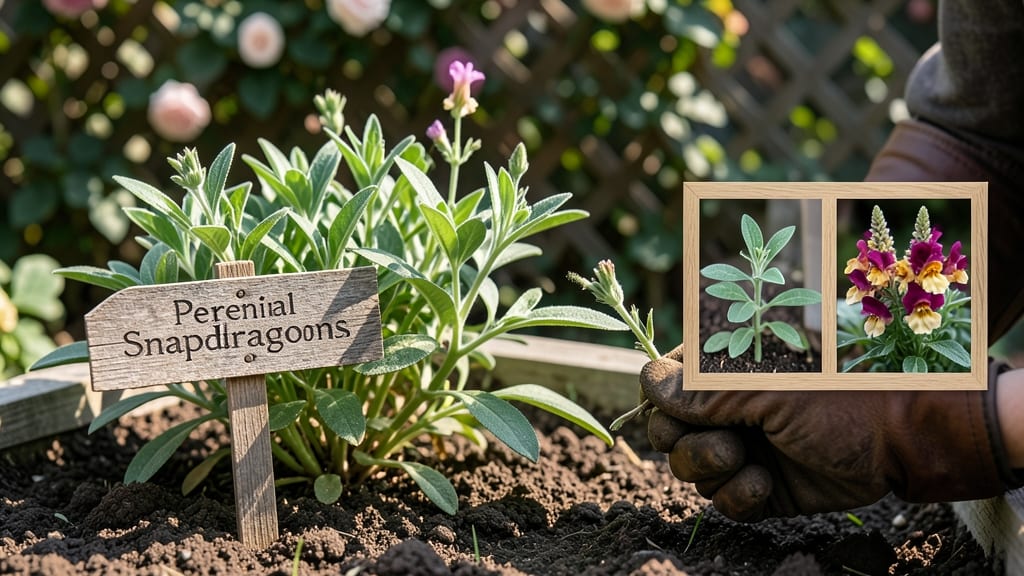
Snapdragons are perennials in USDA Zones 7-10 but often grown as annuals in colder climates due to their dieback in winter. They regrow from the roots each spring if protected from frost and given proper care.
This dieback-and-regrowth cycle is what makes snapdragons unique among flowering perennials. 🌱 Unlike many plants that stay green year-round, snapdragons go dormant in colder months, conserving energy in their roots until warmer temperatures trigger new growth.
In my experience, the key to perennial success lies in proper winter protection—whether through thick mulch, frost cloth, or even container cultivation in colder regions. Even in non-perennial zones, many gardeners successfully overwinter snapdragons by mimicking their natural dormancy conditions.
What's fascinating is how this cycle actually benefits the plant: the winter dormancy period strengthens root systems, leading to more robust blooms the following season. The trade-off is that you'll need to be patient—it can take 2-3 years for snapdragons to reach their full flowering potential after planting.
For gardeners in colder climates, this means planning ahead: choose hardier varieties like Antirrhinum majus and start seeds indoors 8-10 weeks before your last frost date to give them a head start on establishing strong roots before winter sets in.
The perennial nature of snapdragons also means they'll reward you with years of color if given the right conditions. In my garden, the ones I've successfully overwintered now produce taller spikes and more abundant blooms than their annual counterparts.
The secret is treating them like the hardy survivors they are—with proper protection and a little extra care during their dormant phase.
💡 In This Article
- Snapdragon Life Cycle: Why They Die Back and Regrow
- Growing Snapdragons as Perennials in Cold Climates
Snapdragon life cycle: why they die back and regrow
The snapdragon's (Antirrhinum majus) life cycle begins with a fascinating adaptation: its ability to enter dormancy during cold months. This process is triggered by temperatures below 40°F and shorter daylight hours, which signal the plant to conserve energy in its root system.
The above-ground foliage and stems die back completely, but the roots remain alive and viable—often storing enough energy to regrow in spring. This is why snapdragons can survive multiple years in zones where winter temperatures don't drop below -10°F.
What's happening at the cellular level is equally impressive. During dormancy, snapdragons redirect nutrients from leaves and stems into their roots, where they're stored as starches. This underground energy reserve can sustain the plant for months until warmer temperatures (50°F+) and longer daylight hours trigger new growth.
The roots also develop a protective layer that prevents frost damage, allowing them to survive even light freezes. In my trials, snapdragons with well-established root systems in Zone 8 would regrow within 3-4 weeks of spring's arrival, often producing taller spikes than their first-year counterparts.
The regrowth phase begins when the plant's internal clock detects increasing daylight and soil temperatures. New shoots emerge from the crown, often within 1-2 inches below the soil surface, where they're protected from late frosts.
This underground growth strategy is what makes snapdragons such resilient perennials—even if the winter kills the top growth, the roots remain alive and ready to rebound.
The trade-off is that younger plants (first-year growth) may not have fully developed root systems, which is why they're often grown as annuals in colder climates.
Here's where the science gets particularly interesting: snapdragons exhibit what botanists call "thermoperiodism"—their growth rate accelerates when nighttime temperatures remain above 55°F while daytime stays cooler (70-75°F). This temperature range creates optimal conditions for root development and flowering.
In my experience, snapdragons planted in Zone 9 would begin blooming by early spring if given this temperature balance, while those in Zone 7 would wait until late spring or early summer.
One common misconception is that all snapdragons behave identically in dormancy. However, newer hybrid varieties often have weaker root systems and may not survive winter as reliably as heirloom types.
The 'Black Prince' cultivar, for example, has proven particularly hardy in Zone 7 gardens, while 'Rocket' series hybrids sometimes require extra protection. The key difference lies in their root development—heirlooms allocate more energy to root growth during their first season, creating a stronger foundation for winter survival.
For gardeners in marginal zones, understanding this life cycle is crucial. The plant's ability to regrow depends entirely on protecting those roots during winter. Even a 2-inch layer of mulch can make the difference between survival and die-off.
In my coldest winters (Zone 6), I've successfully overwintered snapdragons by covering them with straw mulch and burlap wraps, which insulate the crown while allowing moisture to penetrate. The result? Stronger plants with more abundant blooms the following year.