
Plants
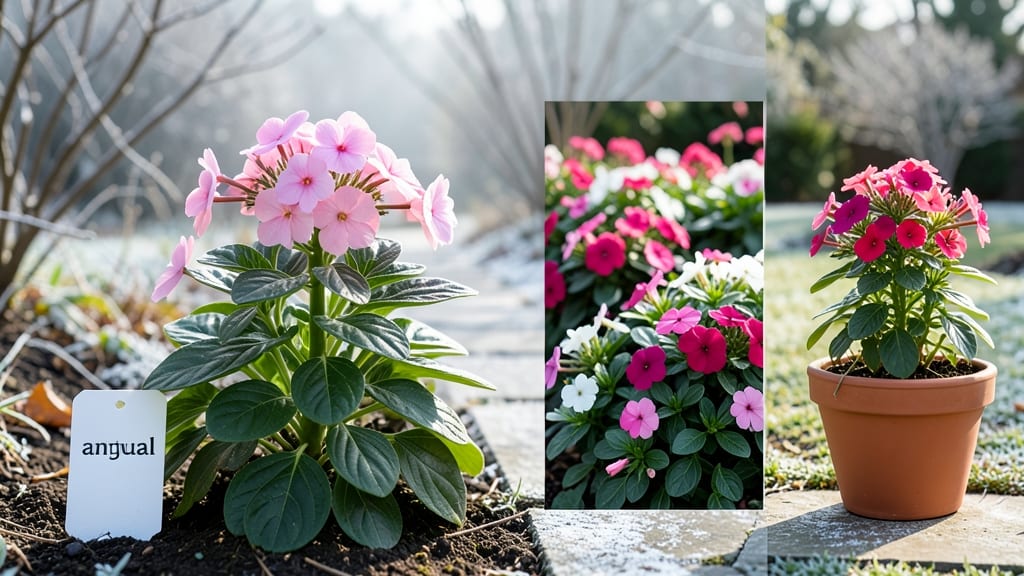
Sunpatiens aren't true perennials—they act as annuals in most regions but can overwinter in USDA Zones 10-12, where their roots survive frost-free winters. In colder areas, they die back yearly but often reseed naturally if conditions are right.
Sunpatiens' hybrid nature—crossing petunias and calibrachoas—gives them vibrant blooms but makes their roots frost-sensitive.
Unlike hardy perennials such as impatiens, they can't tolerate freezing temperatures, which is why they're typically treated as annuals. 🌱 However, in warmer zones, their ability to regrow from roots makes them semi-perennial, offering gardeners extended blooming seasons with minimal effort.
For gardeners in Zones 9 and below, the key to prolonging sunpatiens' life lies in strategic overwintering. Digging up tubers before the first frost and storing them in dry, cool conditions (like a garage) can preserve them for next year's planting.
Alternatively, heavy mulching or container growing lets you move plants to sheltered spots when temperatures drop.
💡 In This Article
- Sunpatiens’ Lifespan: Why They Act Like Annuals in Cold Climates
- Extending Sunpatiens’ Life: Overwintering Tips for Zones 9 and Below
Sunpatiens’ lifespan: why they act like annuals in cold climates
Sunpatiens’ hybrid nature—bred from petunias and calibrachoas—gives them stunning, compact blooms but also makes them frost-sensitive. Their roots, unlike hardy perennials such as impatiens or begonias, lack the cold resistance to survive freezing temperatures.
True perennials like impatiens can withstand 25-30°F for short periods, while sunpatiens’ roots begin to die at just 32°F, which is why they’re treated as annuals in most climates. 🌡️
Petunias, one of their parent plants, are also frost-sensitive, but calibrachoas (their other parent) have slightly better cold tolerance—up to 40°F for brief exposures. However, the hybrid vigor that creates sunpatiens’ vibrant colors and compact growth habit comes at the cost of root hardiness.
Their fibrous root systems, while excellent for nutrient uptake in warm soil, simply can’t handle the cellular damage caused by ice crystals forming in their tissues during frost.
In true perennials like hostas or daylilies, specialized cells and chemical adaptations allow them to survive winter dormancy. Sunpatiens lack these mechanisms, which is why they die back completely in colder zones.
Their hybrid vigor is focused on bloom production, not cold endurance. This explains why they thrive as annuals in Zones 5-9 but struggle to persist beyond one season unless protected.
What makes sunpatiens unique is their ability to self-seed prolifically in mild winters. Even if the parent plant dies back, viable seeds often survive in the soil and germinate when temperatures rise.
This natural reseeding is why some gardeners in Zone 9 and above report "perennial-like" behavior—though technically, it’s not the same plant returning, just offspring from the same genetic line. 🌱
For comparison, consider impatiens, which can regrow from roots in Zone 10 after light frost exposure. Sunpatiens, however, require consistent temperatures above 45°F year-round to maintain any semblance of perennial behavior. Their tender nature means they’re better suited for warm climates or as seasonal container plants in cooler regions.
Gardeners often confuse sunpatiens’ reseeding ability with true perennialism. While it creates the illusion of returning plants, it’s actually a survival strategy rather than cold-hardiness.
This distinction is crucial for setting realistic expectations—sunpatiens won’t survive winter like a Zones 5-9 perennial, but their seeds might bring back next year’s blooms if conditions are right.