
Orchid Care
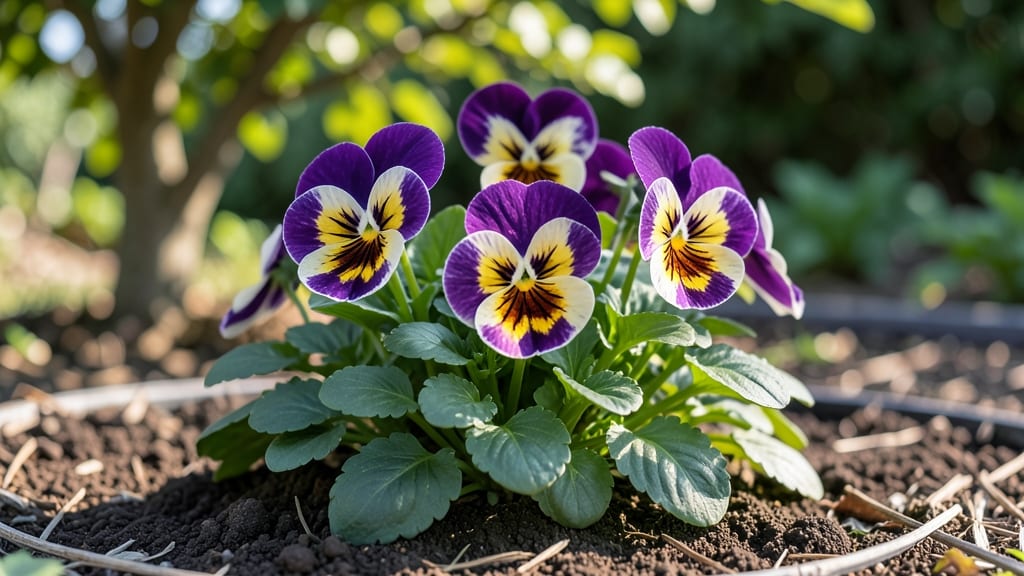
Violas are perennials in USDA Zones 5-10 but often grown as annuals in colder climates. Their cold-hardiness and ability to rebloom make them versatile, though frost can kill foliage in marginal zones.
Whether violas thrive as perennials or annuals depends entirely on your climate zone. 🌱 In warmer regions (like Zones 5-10), these plants naturally return year after year, sending up fresh foliage and flowers from their hardy roots after winter.
However, in colder areas, gardeners typically treat them as annuals because the first frost often damages the leaves, though the roots may survive underground to regrow in spring.
What sets violas apart is their remarkable adaptability. Unlike many perennials, they can bounce back from frost damage with proper care, especially when protected with mulch. This makes them a favorite for gardeners who want long-lasting color without the commitment of true perennials.
The key difference lies in their root systems—violas store energy underground, allowing them to rebound when conditions improve.
💡 In This Article
- Viola Cold-Hardiness Zones and Winter Survival
- Extending Viola Blooms: Season-Long Care Tips
Viola cold-hardiness zones and winter survival
Violas thrive as perennials in USDA Zones 5-10 because their root systems can withstand winter temperatures as low as -20°F to 30°F. The key lies in their deep taproots, which store carbohydrates and nutrients to fuel regrowth when spring arrives.
In Zone 5, for example, violas often survive winters with just a protective layer of snow or mulch, while in Zone 10, they continue blooming nearly year-round due to milder winters.
Here's how temperature thresholds trigger dormancy: when nighttime temps drop below 40°F consistently, violas enter a semi-dormant state, slowing metabolic processes to conserve energy. Their leaves may yellow and die back, but the roots remain active underground, ready to sprout new growth when soil temperatures rise above 50°F in spring.
This adaptive mechanism explains why violas act like perennials in warmer zones but behave as annuals in colder climates where frost repeatedly damages foliage.
The real magic happens in their root systems. Viola roots contain specialized cells that produce antifreeze proteins—similar to those in winter wheat—which prevent ice crystal formation in their tissues. This allows the roots to survive 10-15°F colder than the surrounding soil.
In contrast, many annuals lack these adaptations, making them far more vulnerable to winter die-off. 🌱 The deeper the roots (often 6-12 inches deep), the better they insulate against temperature swings.
However, there's a critical nuance: violas in marginal zones (like Zone 4) may survive winters but often produce weaker spring growth. The first hard frost (28°F) typically kills the above-ground foliage, but if the roots remain undamaged, new shoots emerge within 2-4 weeks of warming.
This delayed reblooming explains why gardeners in colder regions often replant violas annually rather than waiting for uncertain regrowth.
Consider this comparison: In Zone 7, where winters average 20-25°F, violas reliably return each spring with minimal care. But in Zone 3 (-40°F winters), even mulched violas may fail to regrow because the ground freezes too deeply.
The 10°F difference between these zones creates a stark divide in survival rates. This is why gardeners in colder regions typically treat violas as annuals—they're betting on spring regrowth that may or may not happen.
What most gardeners don't realize is that violas can actually handle more cold than their reputation suggests. Studies show that violas planted in well-draining soil with 3-4 inches of organic mulch can survive 5°F colder than the USDA zone minimum.
The secret? Proper soil preparation before winter—adding compost and avoiding heavy clay—helps roots establish deeper, making them more resilient to temperature fluctuations. 💫