
Flowers
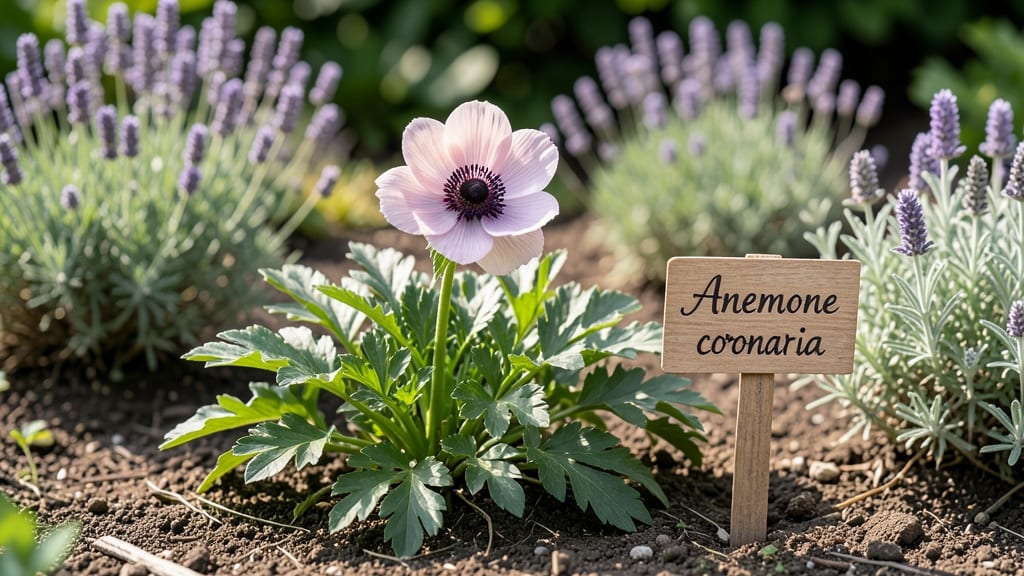
Windflowers are not true perennials—they die back annually but regrow from seed each spring, classifying them as annuals with self-sustaining life cycles in ideal conditions. Their hardy nature lets them return yearly without replanting.
Windflowers (like Anemone varieties) follow a unique life cycle where their above-ground parts wither in winter but leave behind dormant roots. 🌱 These roots store energy until spring, when new plants sprout from seeds dropped the previous year—this self-seeding behavior is what makes them act like perennials without technically being them.
True perennials regrow from the same root system, while windflowers rely on seed germination for renewal, which is why they're often called "self-sustaining annuals."
What's fascinating is how their growth pattern mirrors both annuals and perennials: they bloom profusely in their first year (like annuals) but return reliably each season (like perennials) when conditions are right.
This dual nature makes them ideal for low-maintenance gardens—just let the spent blooms stay on the plant to produce seeds for next year's show!
💡 In This Article
- Why Windflowers Die Back but Return Yearly
- How to Grow Windflowers Like a Self-Renewing Annual
Why windflowers die back but return yearly
Windflowers (genus Anemone) undergo a fascinating botanical cycle that blends characteristics of both annuals and perennials. Unlike true perennials that regrow from specialized underground structures like rhizomes or tubers, windflowers rely on a two-part survival strategy: energy storage in their fibrous roots and prolific seed production.
During autumn, their above-ground foliage yellows and dies back completely, but the roots remain dormant underground, storing carbohydrates like starches and sugars that fuel next spring's regrowth.
The key difference lies in their regeneration method. True perennials sprout from the same root system year after year, while windflowers depend entirely on seeds dropped from their 1-2 inch flowers during their first growing season.
These seeds remain viable in the soil for up to 3 years, germinating when conditions are optimal—typically in early spring when soil temperatures reach 50-55°F.
This seed-based renewal explains why windflowers often appear in dense clusters: each plant produces 50-100 seeds per flower head, creating a self-perpetuating population without human intervention. 🌱
This adaptation gives windflowers remarkable resilience. Their fibrous root systems can extend 6-12 inches deep, anchoring them against drought and allowing them to thrive in poor, rocky soils where many perennials would struggle.
The trade-off is their shorter individual lifespan—each plant typically lives only 2-3 years before its root system weakens—but the constant seed rain ensures their persistence in the garden ecosystem. This makes them behave like perennials in practice while technically functioning as annuals with a built-in renewal mechanism.
What's particularly interesting is how windflowers time their dormancy cycle. They enter dormancy precisely when soil temperatures drop below 45°F, a survival tactic that prevents frost damage to their emerging shoots in early spring.
This synchronized timing explains why windflowers often bloom in late summer or early fall—after the soil has warmed enough to support both seed germination and root development, but before winter's chill sets in permanently.
The result is a garden flower that seems to magically reappear each year without any effort from the gardener.
Consider this comparison: While peonies (true perennials) regrow from thick, fleshy roots that store 20-30% more energy reserves, windflowers invest their energy into seed production instead.
This shift in resource allocation explains why windflowers often produce 2-3 times more flowers per plant than true perennials of similar size—each flower represents a potential new plant for next season.
The trade-off is that individual windflowers may not live as long, but their reproductive strategy ensures the species' continuity with minimal maintenance.
One fascinating exception is the Japanese windflower (Anemone hupehensis), which exhibits semi-perennial behavior. While still relying primarily on seeds, this variety can also produce small offsets from its root crown, giving it a slight edge in longevity.
This hybrid behavior demonstrates how windflowers occupy a unique ecological niche—neither fully annual nor strictly perennial, but perfectly adapted to thrive in disturbed or low-nutrient environments where traditional perennials might fail. 💫