
Orchid Care
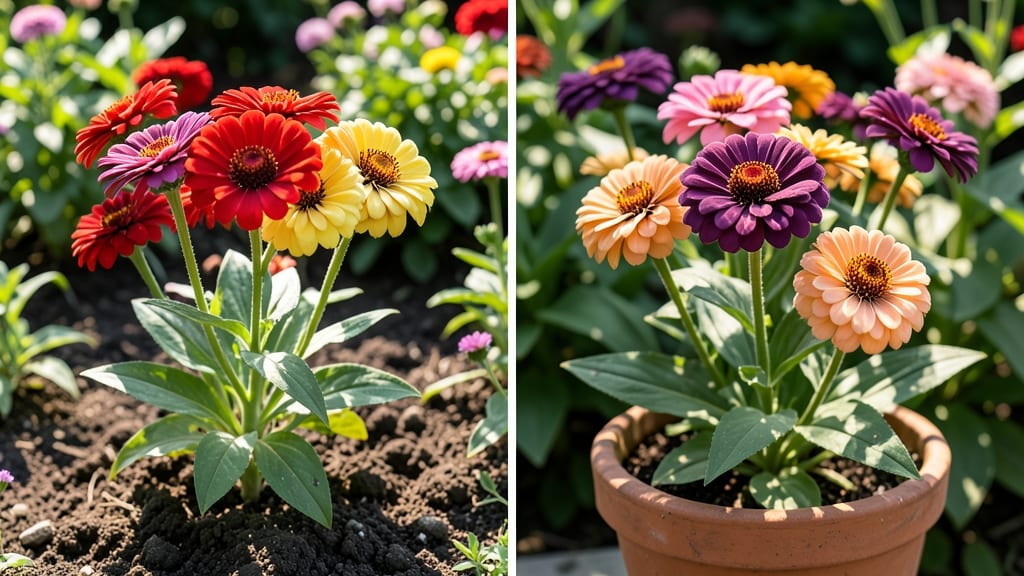
Whether zinnias are annuals or perennials depends on your climate: they thrive as annuals in most regions but can overwinter as perennials in USDA Zones 9-11, where frost never occurs. Their delicate root systems freeze in colder areas, requiring replanting each spring.
Zinnias' survival hinges on temperature thresholds—below 25°F, their tender roots blacken and die, making them annuals in most gardens. 🌱 In frost-free zones like Southern California or Florida, they naturally return year after year, developing deeper root systems.
The key difference lies in their growth cycle: annuals complete their life span in one season, while perennials in warm climates regenerate from established roots.
This botanical quirk explains why gardeners in cooler regions often treat zinnias as seasonal plants. The trade-off? Their vibrant blooms reward quick growth, making them ideal for summer containers or cut-flower gardens.
For those in marginal zones (like Zone 8), overwintering techniques—such as mulching or greenhouse protection—can sometimes coax them into a second year.
💡 In This Article
- Why Zinnias Die Back in Cold Weather
- Extending Zinnia Life in Cold Climates
Why zinnias die back in cold weather
The core reason zinnias act as annuals in most climates comes down to their tender root systems. These roots lack the protective insulation of deeper, woody perennials like daylilies or hostas.
When temperatures drop below 28°F, cellular damage occurs within minutes—ice crystals form in the root tissues, rupturing cell walls and causing irreversible blackening. This is why even a single hard frost in USDA Zones 3-8 will kill zinnias to the ground.
Botanically, zinnias belong to the Asteraceae family, which includes many frost-sensitive plants. Their shallow root systems (typically 12-18 inches deep) lack the energy reserves to regenerate after freezing. Compare this to perennials like coneflowers, which develop thick, carbohydrate-rich roots that can survive -10°F without damage.
In frost-free zones (Zones 9-11), zinnias naturally develop slightly deeper roots and store more energy, allowing them to regrow each spring.
The transition temperature threshold is critical: zinnias begin showing frost damage at 30°F and die completely below 25°F. This explains why gardeners in Zone 8 (where winter lows often reach 15°F) must replant each year.
The plant's entire life cycle—from seed germination to seed production—must complete within one growing season in colder climates, earning them the annual classification.
Interestingly, zinnias exhibit a survival mechanism called thermogenesis in warm climates. When nights stay above 50°F, their roots produce heat through metabolic processes, protecting against light frosts. This natural warmth helps explain why established plants in Zone 9 can sometimes survive mild winter dips to 28°F without dying.
However, this adaptation fails when temperatures plummet further.
Another factor is their germination temperature range of 60-75°F. Seeds won't sprout in cool spring soil, forcing replanting each year in northern gardens. In contrast, perennials like black-eyed Susans germinate at 50°F and establish roots before summer heat arrives.
This biological difference reinforces why zinnias remain annuals outside frost-free regions.
For visual comparison, imagine a zinnia's root system as a delicate network of straws—easy to freeze and collapse. Perennial flowers, by contrast, develop roots like thick garden hoses with insulation. The structural difference explains why zinnias bloom so vigorously in summer but vanish when autumn arrives in cooler areas. 🌱