
Flowers
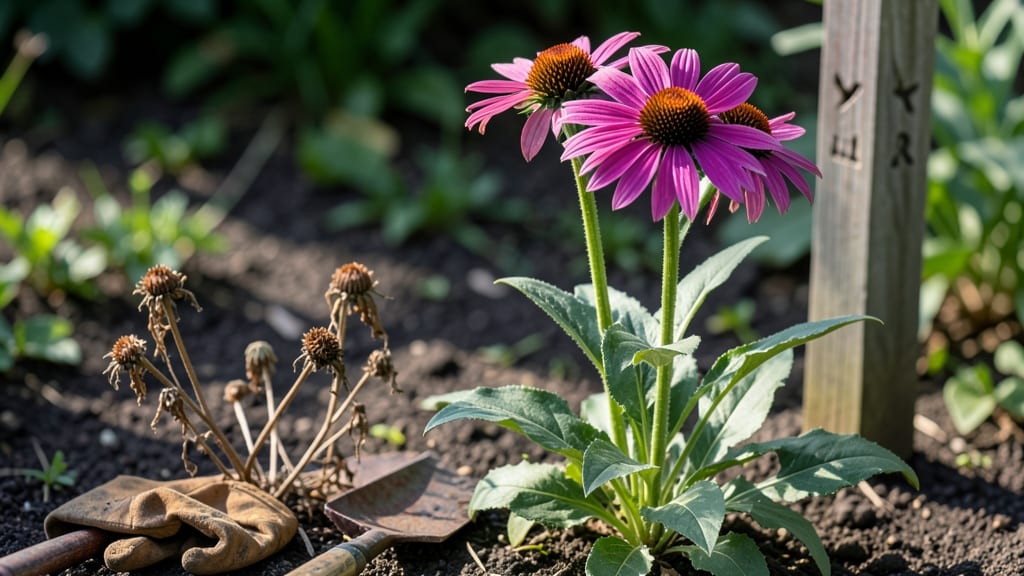
Perennial flowers do come back every year, but they follow a dieback cycle where foliage and stems die to the ground in winter or dormancy periods, only to regrow from their root system when conditions improve. Proper care ensures their survival and reblooming season after season.
This unique survival strategy sets perennials apart from annuals, which complete their entire life cycle in one growing season. 🌱 The underground root systems—whether fibrous roots, rhizomes, or tubers—store energy during dormancy, allowing them to push new growth when temperatures rise.
Think of it like nature's built-in recharge cycle: what looks dead above ground often contains the potential for vibrant rebirth below.
What makes this work so beautifully is how these plants adapt to seasonal changes. When daylight shortens and temperatures drop, the plant's growth hormones shift to prioritize energy storage over flowering. This dormancy isn't just survival—it's a strategic pause that actually strengthens the plant for next year's performance.
The key difference from annuals becomes clear when you consider how perennials can live for decades with proper care, while annuals must be replanted every year.
💡 In This Article
- How Perennial Flower Root Systems Ensure Annual Regrowth
- Year-Round Care Tips to Guarantee Perennial Flower Survival
How perennial flower root systems ensure annual regrowth
The secret behind perennial flowers' annual return lies in their specialized root structures, which act like biological batteries storing energy for future growth.
Unlike annuals that complete their life cycle in one season, perennials develop underground storage organs like rhizomes (horizontal stems), tubers (thickened roots), or crowns (compact stems at soil level). These structures contain starches and sugars that fuel regrowth when conditions improve.
For example, peony roots store enough energy to produce new shoots even after severe winter dieback.
Seasonal dormancy triggers this survival mechanism through a complex interplay of temperature and daylight. When nights grow longer and temperatures drop below 50°F, plants produce abscisic acid, a hormone that signals dormancy.
This causes foliage to yellow and die back, but the root system remains active, converting sugars to starch for storage. In spring, rising temperatures trigger gibberellins, growth hormones that wake up the roots and stimulate new shoot formation from dormant buds.
What makes this system so efficient is how it adapts to environmental stresses. Consider daylilies with their rhizomatous growth: these horizontal stems can spread 12-24 inches annually, creating multiple growth points. When one section dies back, others remain viable.
This redundancy explains why perennials often survive harsh winters that would kill annuals. The energy reserves in these roots can sustain regrowth for 5-10 years or more with proper care.
Comparing perennials to annuals reveals their fundamental difference. Annuals like marigolds complete their entire life cycle in one season, producing seeds before dying. Biennials like foxgloves take two years, storing energy in their first year to flower in the second.
Perennials, however, skip this seed production stage entirely, focusing all energy on root development and next year's growth—making them far more sustainable for gardeners.
The most impressive example is the bearded iris, which can live for 50+ years with minimal care. Its thick, fleshy rhizomes store enough energy to produce new fans of leaves and flowers each spring, even after the previous year's foliage has completely withered.
This longevity comes from their ability to balance energy storage with growth, a trait that annuals simply cannot match.