
Container Gardens
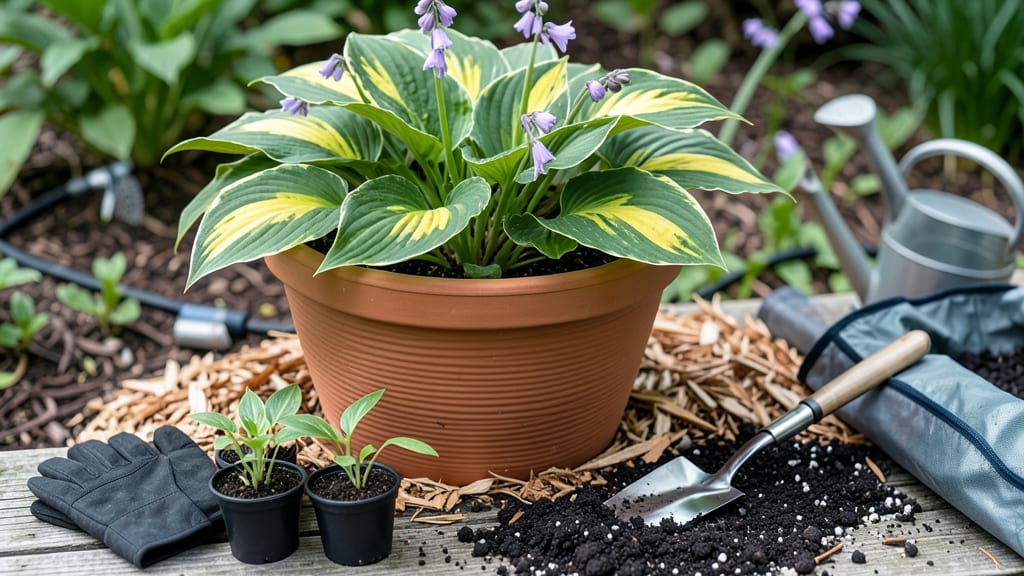
Yes, perennials can be planted in pots—they just need shallow-rooted varieties like lavender, sedum, or hostas, fast-draining potting mix, and containers with drainage holes. Most container perennials need repotting every 2-3 years to keep roots healthy.
Container gardening with perennials works beautifully when you match the plant to its environment. 🌿 The key is selecting varieties that naturally adapt to confined root spaces, like ornamental grasses or compact shrubs. I've found that proper drainage is non-negotiable—root rot is the #1 killer of potted perennials.
Start with containers that are at least 12 inches deep for most types, and always use a mix designed for containers rather than garden soil. This mimics their natural habitat while preventing waterlogging.
What's surprising is how many perennials actually prefer container life—they get more consistent care and can be moved to optimize sunlight. For instance, lavender thrives in pots because it hates soggy roots, while heuchera (coral bells) adapts well to smaller spaces with regular watering.
The trade-off? You'll need to fertilize more frequently since nutrients deplete faster in confined soil.
💡 In This Article
- Key Factors for Growing Perennials in Containers
- Top 5 Low-Maintenance Perennials for Pots
Key factors for growing perennials in containers
The success of container-grown perennials hinges on matching their natural growth habits to your pot's environment. Shallow-rooted varieties like lavender or sedum thrive because their roots typically grow no deeper than 12-18 inches, making them ideal for 12-18 inch deep containers.
The science here involves oxygen exchange—roots in pots need 20-30% more air space than in garden beds to prevent suffocation. Without proper aeration, roots can't absorb nutrients efficiently, leading to stunted growth.
Soil composition is equally critical. Standard garden soil compacts in containers, cutting off oxygen and causing water to pool at the bottom. Instead, use a well-draining potting mix with 30-40% perlite or vermiculite to create air pockets.
I've found that adding 10% compost boosts nutrient retention while maintaining structure. The texture should resemble crumbly cake batter—not dense clay. For sun-loving perennials like rosemary, add 1 part sand to improve drainage further.
Container size directly impacts root development. A 6-inch pot works for small perennials like thyme, while larger varieties like hostas need 18-24 inch containers to accommodate their spreading roots. The rule of thumb is 1 gallon of soil per square foot of plant at maturity.
Overcrowding leads to competition for nutrients, often resulting in yellowing leaves—a clear sign roots are cramped. I've seen heuchera plants double in size when given proper spacing compared to crowded conditions.
Light requirements can't be overlooked. Most container perennials need 6-8 hours of sunlight daily, but some like coleus tolerate partial shade. The key is observing leaf color—pale or stretched growth means insufficient light, while crispy edges indicate too much.
Rotate pots every 2-3 weeks to ensure even exposure. For indoor containers, supplement with grow lights providing 12-14 hours of light to prevent leggy growth.
Watering patterns change dramatically in containers. Potted soil dries out 3-5 times faster than garden beds, so check moisture daily during hot weather by sticking your finger 1 inch deep. Water until it flows from drainage holes—this ensures roots get oxygenated water, not stagnant pools.
Mulching with 1 inch of bark chips retains moisture while preventing soil crusting. I've noticed lavender in pots needs watering every 3-4 days in summer, while hostas prefer every 5-7 days.
Seasonal adjustments are crucial. In winter, reduce watering by 50% as plants enter dormancy, and move containers to protected areas where temperatures stay above 20°F. Some perennials like oregano actually thrive in cooler temps, while tropical varieties need winter protection.
The goal is to mimic their natural seasonal cycles as closely as possible in confined spaces.