
Flowers
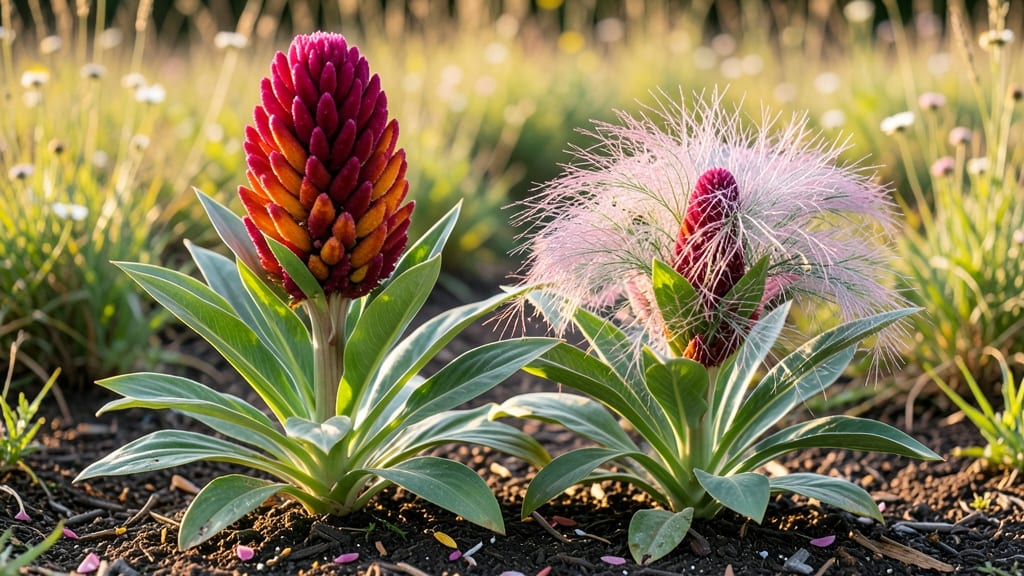
Whether celosia flowers are annuals or perennials depends entirely on your climate—most varieties act as annuals in colder regions, but tropical species thrive as perennials in USDA zones 10-12 where temperatures never drop below 30°F. The line between seasonal replanting and year-round growth comes down to frost tolerance.
Celosia's lifespan hinges on how well it handles cold snaps. 🌱 In cooler climates, the first frost kills the plant's foliage and roots, forcing gardeners to replant each spring. However, tropical celosia varieties—like Celosia argentea—can survive winters in frost-free zones, returning with vibrant blooms year after year.
The key difference lies in their cellular structure: tropical types have evolved to withstand higher humidity and milder temperatures, while temperate varieties simply can't recover from freezing conditions.
For gardeners in marginal zones, extending their celosia's life involves strategic care. Deadheading spent blooms encourages new growth, while overwintering potted plants in a garage or greenhouse can preserve them until spring.
Mulching also helps insulate roots in borderline climates, giving plants a fighting chance against early frosts. 💛 The right variety and a little extra protection can turn an annual into a near-perennial experience.
💡 In This Article
- Celosia Flower Cold Tolerance: Why Most Die in Winter
- Extending Celosia Lifespan: Growing Tips for Longer Blooms
Celosia flower cold tolerance: why most die in winter
Celosia's frost sensitivity stems from its tropical origins. Most varieties, like the popular Celosia cristata, evolved in warm climates where temperatures rarely drop below 50°F. When exposed to freezing conditions (32°F or lower), their cells undergo ice crystallization, rupturing delicate plant membranes and killing foliage.
Even a light frost can trigger this damage, causing the entire plant to blacken and die back within days. 🌡️ The roots typically suffer next, as they lack the insulation of mulch or soil depth in most garden settings.
This cellular damage explains why celosia behaves as an annual in most U.S. regions. For example, in USDA zone 7 (where winters dip to -10°F), even well-established plants can't survive.
However, tropical species like Celosia argentea have thicker cell walls and higher moisture retention, allowing them to persist in zones 10-12 where winter temps stay above 30°F. These varieties can regrow from their root crowns after mild winters, making them true perennials in frost-free zones.
The key difference lies in their growth habit and root structure. Annual celosia puts energy into rapid flowering during the growing season, leaving little reserve for winter survival. Perennial types, meanwhile, allocate resources to deeper roots and more robust stems, which can regenerate after dormancy.
This adaptation is similar to how hibiscus or plumbago survive in warm climates but struggle in colder ones. 💪 The trade-off? Perennial celosia often has slightly less vibrant blooms than its annual counterparts.
Even in marginal zones (like zone 8), celosia's fate depends on microclimates. A sheltered spot near a south-facing wall might protect plants from early frosts, while open areas become death traps.
The first frost date in your region is critical—most celosia varieties can't tolerate more than 2-3 weeks of temperatures below 40°F before irreversible damage occurs.
For gardeners in zones 9-10, the line between annual and perennial behavior blurs. Some Celosia argentea varieties may survive mild winters but require 3-4 inches of mulch to protect roots.
The mulch acts as insulation, maintaining soil temps above 45°F—the threshold where celosia roots begin to suffer. Without this protection, even "perennial" celosia will die back like annuals. 🌿
What most gardeners overlook is how humidity interacts with cold tolerance. Tropical celosia thrives in 60-80% humidity, which helps maintain cell turgor pressure during cool nights. In dry climates (like zone 9b with 30% humidity), even frost-free winters can stress celosia, leading to stunted growth.
This explains why some gardeners in "perennial zones" still treat celosia as annuals—it's not just about temperature, but the combination of cold and dryness that determines survival.