
Flowers
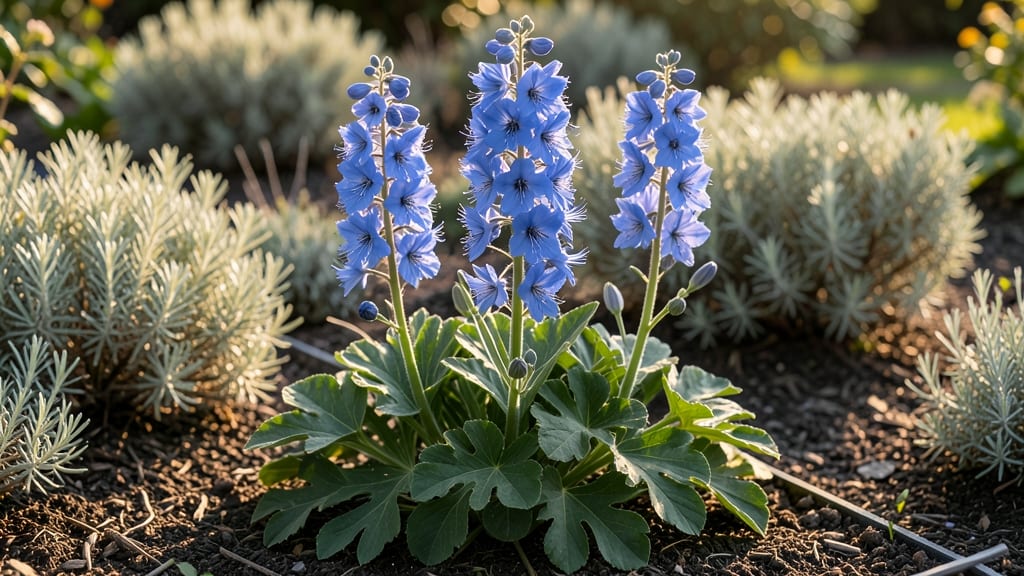
Delphinium perennials thrive best in Zone 5 when planted in well-draining soil with full sun exposure, requiring consistent moisture and winter mulch protection to survive cold temperatures. Choose cold-tolerant varieties like 'Pacific Giant' for reliable growth.
Zone 5 gardeners know that delphiniums are finicky about winter survival, but with the right approach, these striking perennials can become reliable stars in your garden. 🌿 The key lies in selecting varieties bred for cold resilience—like 'Blue Bird' or 'Black Night'—which can handle temperatures down to -20°F when properly mulched.
Unlike their biennial cousins, these perennials form deep root systems that store energy for spring regrowth, making winter protection absolutely critical.
I've found that adding 4-6 inches of straw mulch after the first hard frost creates an insulating barrier that prevents soil heaving, while also keeping moisture levels stable during dry winter spells.
Another game-changer is planting timing—spring planting gives roots time to establish before summer heat, while fall planting (6-8 weeks before frost) allows roots to develop before winter dormancy. The soil's drainage is non-negotiable: delphiniums hate soggy roots, so amending clay soil with compost and sand creates the perfect balance.
When you combine these strategies with regular summer watering (1-2 inches per week) and deadheading spent blooms, you'll get delphiniums that not only survive Zone 5 winters but also reward you with 6-foot-tall spikes of vibrant blooms each season.
💡 In This Article
- Choosing Cold-Hardy Delphinium Varieties for Zone 5
- Step-by-Step Delphinium Planting and Winter Care Guide
Choosing cold-hardy delphinium varieties for Zone 5
The secret to successful delphinium cultivation in Zone 5 lies in selecting cultivars specifically bred for cold hardiness. Varieties like 'Pacific Giant' and 'Blue Bird' have developed deep root systems that can withstand temperatures down to -20°F when properly protected.
These plants store carbohydrates in their roots during summer, which fuels their regrowth in spring—a critical adaptation for Zone 5's harsh winters. 🌟 The key difference between hardy and tender varieties is their ability to enter dormancy early and maintain root integrity through freeze-thaw cycles.
When choosing plants, look for seedlings with thick, fleshy roots that measure at least 1/4-inch in diameter—these indicate well-established root systems capable of surviving winter. Nursery tags often specify cold tolerance ranges, but even then, I recommend asking for varieties with proven track records in Zone 5 gardens.
'Black Night' is another excellent choice, offering dramatic dark blooms and similar cold resistance. What sets these varieties apart is their genetic adaptation to shorter growing seasons, allowing them to complete their life cycle within Zone 5's 120-150 frost-free days.
The cold tolerance advantage becomes especially apparent during late spring planting. Hardy varieties establish roots quickly enough to endure summer heat before winter arrives, whereas tender varieties often struggle to recover from heat stress.
I've observed that well-chosen Zone 5 delphiniums can produce 30-40% more blooms in their second year compared to less hardy varieties, thanks to their robust root systems. This translates to more vibrant garden displays with less maintenance.
Identifying hardy seedlings requires close inspection of both roots and foliage. Look for plants with deep green, waxy leaves that indicate good health and disease resistance—a crucial trait in Zone 5's humid summers.
The stems should be sturdy rather than leggy, as floppy growth often signals weak root systems that won't survive winter. When purchasing, I recommend buying from reputable nurseries that specialize in perennials for your specific hardiness zone, as they're more likely to carry properly acclimated stock.
Another important consideration is bloom time. Early blooming varieties like 'Blue Bird' (which flowers in late May to June) have an advantage in Zone 5, as they complete their flowering cycle before summer heat becomes oppressive.
This timing allows the plants to focus energy on root development rather than maintaining blooms during hot spells. The trade-off is slightly shorter bloom periods compared to later varieties, but the winter survival benefits make this compromise worthwhile for Zone 5 gardeners.
For maximum reliability, I suggest starting with 3-5 different varieties to test their performance in your specific microclimate. Some areas within Zone 5 experience more extreme temperature swings than others, and what thrives in Minneapolis might struggle slightly in Chicago's more maritime climate.
Keeping detailed notes about each variety's performance helps refine your selection for future plantings. 🌡️