
Tools
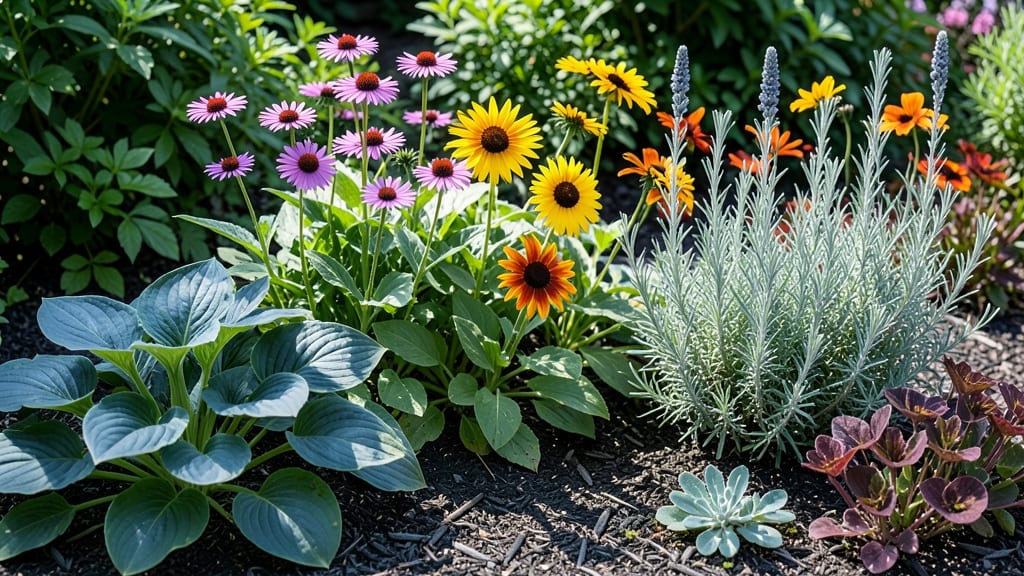
A perennial garden in Zone 5 thrives with cold-hardy plants like coneflowers, black-eyed Susans, and Russian sage, which survive winters down to -15°F. Focus on late-spring planting after frost danger passes, and prioritize mulching for winter protection.
A Zone 5 perennial garden succeeds by selecting plants that naturally adapt to your region's 15°F to 25°F winter lows. 🌿 Unlike annuals, these hardy varieties store energy in their roots during dormancy, then rebound with vibrant blooms each spring.
The key is timing—planting too early risks frost damage, while mulching in late fall creates an insulating blanket that keeps roots from freezing. I've found that grouping plants with similar care needs together not only makes maintenance easier but also creates stunning seasonal transitions from spring bulbs to fall foliage.
For best results, divide perennials every 3-5 years to prevent overcrowding, and always use sharp tools to minimize stress. Staggered planting of early, mid, and late-season bloomers ensures continuous color from May through October.
The secret weapon? A thick layer of organic mulch—it regulates soil temperature, retains moisture, and suppresses weeds while protecting tender roots.
💡 In This Article
- Understanding Zone 5 Perennial Survival Mechanics
- Zone 5 Perennial Planting and Care Calendar
Understanding Zone 5 perennial survival mechanics
Zone 5 perennials endure harsh winters through a combination of root insulation and physiological dormancy. Their underground stems and roots act like natural storage units, converting sugars into starches during fall to fuel regrowth.
For example, coneflowers (Echinacea) can survive -30°F because their fibrous roots extend deep, while Russian sage stores energy in woody stems that remain dormant until spring warmth triggers new growth. The key difference from annuals is this built-in survival mechanism—perennials don't die back completely but instead enter a low-energy state.
Microclimates play a surprising role in winter survival. A south-facing wall can create a 5-10°F warmer zone compared to open ground, while low-lying areas collect cold air and freeze more easily. This is why black-eyed Susans (Rudbeckia) often thrive near foundations while daylilies (Hemerocallis) may struggle in frost pockets.
Mulching with 3-4 inches of shredded leaves or straw adds an extra 10-15°F of protection by trapping heat radiating from the soil—similar to how insulation works in walls. 🌱
The hardiness zone system accounts for average annual minimum temperatures, but sudden cold snaps can push plants beyond their limits.
A -20°F event might kill tender perennials like lavender (Lavandula) despite being rated for Zone 5, while catmint (Nepeta) often recovers because its roots contain antifreeze proteins that lower their cellular freezing point.
This is why gardeners in marginal areas often plant "insurance crops"—like sedum—that bounce back quickly from winter damage.
Root depth matters just as much as hardiness ratings. Plants with 12-inch+ root systems, like bearded iris, survive better than shallow-rooted varieties because they access warmer soil layers. The trade-off? These deep-rooted perennials need well-draining soil to prevent rot during spring thaws.
In heavy clay soils common to Zone 5, amending with compost creates air pockets that improve winter resilience by preventing waterlogged roots—a major cause of winter kill.
One often-overlooked factor is the vernalization process—the biological need for cold exposure before flowering. Many Zone 5 perennials, like peony (Paeonia), require 60-90 days below 40°F to trigger blooms.
Without adequate winter chill, they may produce fewer or no flowers, even if the roots survive. This explains why some gardeners in milder microclimates see poor performance from otherwise hardy plants.
For maximum survival, combine proper plant selection with protective measures. Grouping plants with similar moisture needs (like coneflower and salvia) creates a self-regulating ecosystem where mulch breaks down more efficiently. The result? Healthier roots that store more energy for next year's growth. 💫