
Flowers
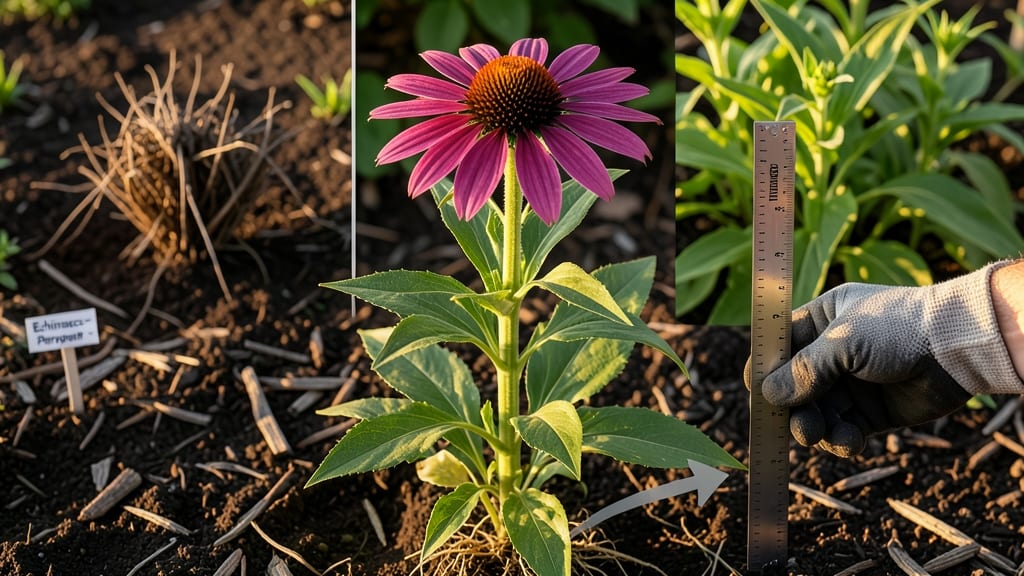
Perennial flowers do come up every year because they follow a natural dieback cycle: they retreat to the ground during cold months, storing energy in their roots or underground stems, then regrow vigorously when conditions improve. With the right care, they'll reliably return each spring.
This cycle isn't just about survival—it's how perennials prepare for the next growing season. 🌱 Many store nutrients in their roots or bulbs during dormancy, which fuels their spring regrowth. For example, peonies and hostas completely disappear above ground in winter but burst back with fresh foliage come spring.
The key difference from annuals is that perennials have persistent root systems that anchor them through multiple seasons.
What makes this system fascinating is how different species adapt. Some perennials like coneflowers handle frost beautifully, while others need extra protection in colder climates. The timing of dieback also varies—some fade in late summer while others wait until winter's chill.
Understanding these patterns helps gardeners provide the right support at the right time.
💡 In This Article
- How Perennial Flowers Survive Winter Through Dieback
- Tips to Ensure Perennial Flowers Return Year After Year
How perennial flowers survive winter through dieback
Perennial flowers rely on a clever survival strategy called seasonal dieback, where they retreat above ground during cold months while their roots remain active underground. This process is triggered by shorter daylight hours and dropping temperatures, which signal the plant to shift energy from growth to storage.
For example, peonies store carbohydrates in their thick roots, while daylilies use their rhizomes to build up reserves—both can survive -20°F temperatures thanks to these adaptations. 🌱
The root systems of perennials are their secret weapon. Unlike annuals that grow from seed each year, perennials develop extensive underground networks that can stretch 3-5 feet deep in mature plants.
These roots contain specialized cells that store starches and sugars, providing the energy needed for new shoots to emerge in spring. Some species, like hostas, even produce buds at the base of their stems that remain dormant until conditions improve.
Not all perennials handle winter the same way—cold hardiness varies dramatically. Hardy species like coneflowers (Zone 3-9) can withstand -40°F winters, while tropical perennials like cannas need protection below 30°F.
The key difference lies in their native climates: plants from colder regions have evolved thicker cell walls and antifreeze proteins in their tissues, similar to how some animals produce glycerol to prevent ice crystal formation in their cells.
What's fascinating is how perennials "know" when to die back. Plants detect changes in photoperiod (day length) through specialized proteins called phytochromes, which act like biological clocks. When days shorten in autumn, these proteins trigger dormancy hormones that cause leaves to yellow and stems to wither.
This isn't just passive survival—it's an active preparation that ensures the plant emerges stronger in spring with stored nutrients ready to fuel new growth.
Consider the example of black-eyed Susans, which may appear dead in winter but actually have crown buds just below the soil surface containing next year's flowers. These buds contain meristematic cells that can remain viable for years, waiting for the right conditions to activate.
The same principle applies to bee balm, where the roots continue respiring at 32°F even when above-ground growth has stopped completely.
This biological mechanism explains why proper winter care makes all the difference. Without adequate protection, perennials may lose their stored energy reserves or suffer root damage, leading to weaker regrowth.
Understanding these processes helps gardeners time their care correctly—like applying mulch before the first frost—to give perennials their best chance at returning stronger each year. 💫