
Companion Plants
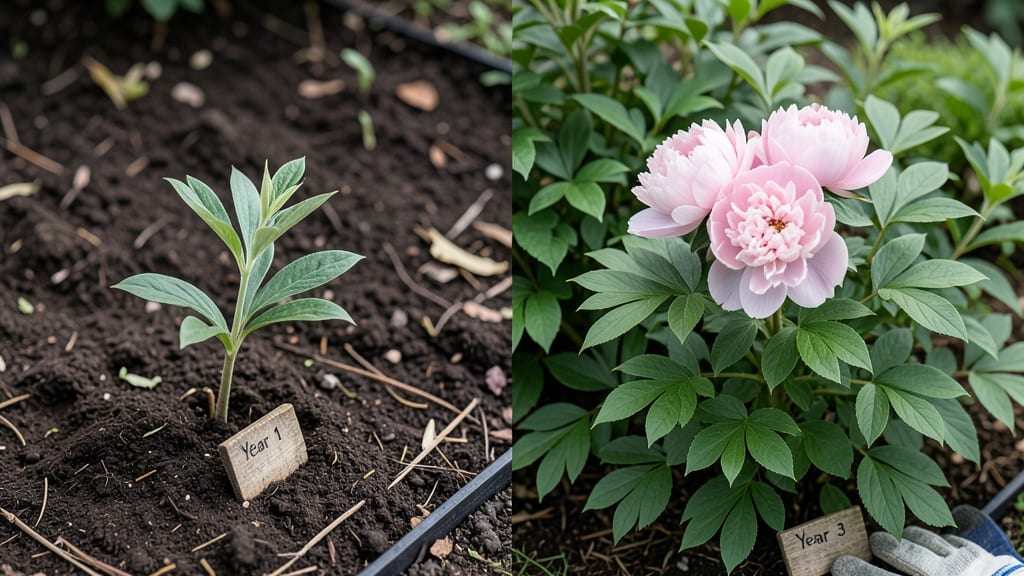
Yes, perennial plants do come back every year, but their winter dieback—where leaves and stems appear dead—is completely normal as they store energy underground in roots, rhizomes, or tubers. Cold-hardy varieties enter dormancy to survive harsh conditions and regrow when temperatures warm.
This annual cycle is nature's way of conserving energy. 🌱 During dormancy, perennials redirect nutrients to their root systems, which act like underground batteries. Many gardeners worry when their favorite plants look lifeless in winter, but this is just their survival strategy.
For example, peonies and hostas both go dormant in cold climates, only to burst back to life with new growth in spring. The key is understanding your local hardiness zone—plants that thrive in Zone 5 may struggle in Zone 3 without proper winter protection.
What makes perennials special is their ability to persist year after year, unlike annuals that complete their entire life cycle in one season. This persistence means less replanting work for gardeners, though it does require patience during the dormant period.
I've seen firsthand how a well-established perennial garden can transform from a winter "brownout" to a vibrant display with minimal effort once spring arrives.
💡 In This Article
- How Perennial Plants Survive Winter Dieback
- Signs Your Perennial Is Dormant vs. Dead
How perennial plants survive winter dieback
Perennial plants enter a state called dormancy, a biological survival mechanism triggered by shorter daylight hours, cooler temperatures, and reduced moisture. During this phase, they halt active growth and redirect all energy to their underground storage organs—roots, rhizomes, or tubers—which act like natural batteries.
For instance, peonies store up to 70% of their annual energy reserves in their thick, fleshy roots, while hostas concentrate nutrients in their rhizomes, which can grow up to 12 inches deep in well-drained soil.
This underground storage system allows them to survive temperatures as low as -20°F in some cold-hardy varieties.
The regrowth process begins when specific environmental cues—typically consistent daytime temperatures above 50°F and increased moisture—signal the plant to break dormancy. Sap begins flowing again in early spring, and new shoots emerge from buds located at the base of stems or along rhizomes.
What's fascinating is how some perennials, like asclepias (butterfly weed), can remain dormant for years in harsh conditions, only to revive when conditions improve—a trait called secondary dormancy. This adaptability explains why perennials thrive in diverse climates, from the Mediterranean to temperate zones.
Cold-hardiness zones (USDA zones 1-11) play a critical role in determining which perennials will survive winter. A plant labeled for Zone 5 can typically endure -15°F to -20°F, while Zone 9 perennials may only tolerate 20°F to 30°F.
The key difference lies in how quickly plants can acclimate to cold—a process called hardening off. For example, coneflowers (Echinacea) in Zone 4 can withstand -30°F once fully hardened, but if exposed to sudden freezes before acclimating, their foliage may suffer irreversible damage.
This is why gardeners in transitional zones often use mulch or row covers to simulate gradual temperature drops.
Moisture management during dormancy is equally crucial. While some perennials, like lavender, prefer dry conditions in winter, others such as heuchera (coral bells) need consistent moisture to prevent root desiccation. The soil's ability to retain water—measured by its field capacity—directly impacts a plant's survival.
In sandy soils with poor water retention, roots may dry out even at 32°F, while clay soils can maintain moisture longer, protecting roots during cold snaps. This explains why amending soil with organic matter (like compost) improves winter survival rates by enhancing moisture retention.
One common misconception is that all perennials die back completely. Some, like evergreen perennials (e.g., hellebores), retain foliage year-round but slow their metabolic processes. Others, such as Russian sage, may lose leaves but keep their woody stems intact.
The distinction lies in their growth habit: deciduous perennials shed all above-ground growth, while semi-evergreens retain some foliage. Understanding these variations helps gardeners choose plants that match their climate's specific challenges.
What most people don't realize is how photosynthesis continues underground during dormancy. While above-ground parts are inactive, roots can still perform limited photosynthesis if exposed to light (as in bare-root conditions).
This is why some gardeners plant perennials in raised beds—the elevated soil warms faster in spring, giving roots a head start on regrowth. Additionally, certain perennials, like orchids, can even flower during dormancy if given the right light and temperature cues, defying the typical seasonal patterns. 🌿